

How Do I Maximize Personal Injury (PI) Lien Recovery Without Damaging Attorney Relationships?
Maximizing personal injury lien recovery without damaging attorney relationships isn't a billing problem. It's a translation problem. Attorneys speak settlement value. Providers speak clinical necessity. The gap between those two languages is where your revenue disappears.
Clinical Value Translation is the process of converting clinical documentation and treatment rationale into language attorneys can use to justify lien value to their clients and insurers. When your documentation can't demonstrate medical necessity in terms an attorney understands, your lien gets reduced or contested.
Attorneys don't reject liens because they're adversarial. They reject them because the documentation doesn't support the claimed value in terms they can defend during settlement negotiations. The average bodily claim for a motor vehicle crash was $24,211 in 2023. Every dollar of that settlement is scrutinized by defense counsel and insurance adjusters. If your billing documentation can't answer the three questions every attorney is required to ask—Was the treatment medically necessary? Was the cost reasonable? Can I defend this to my client and opposing counsel?—you've already lost the negotiation before it starts.
Ineffective communication is a primary driver of disputes between medical providers and attorneys. It delays settlements. It hurts both parties. Most chiropractic practices approach PI liens as a billing task: submit the claim, wait for the settlement, accept whatever the attorney offers. That's not billing. That's hoping. Real recovery starts with thorough, objective medical documentation paired with proactive communication that positions your treatment as a critical component of the client's damages narrative—not an administrative afterthought.
The providers who recover full lien value consistently aren't the ones who send threatening letters or demand payment up front. They're the ones who treat the attorney as a strategic partner. They provide case progress updates without being asked. They present their lien with documentation that answers those three questions before they're asked. When you can do that, recovery stops being a negotiation and starts being a formality.
Last Updated: May 23, 2026
- Why Most PI Lien Recovery Strategies Fail
- What Clinical Value Translation Looks Like
- How to Respond to Lien Reduction Requests
- Building Long-Term Attorney Relationships
-
Frequently Asked Questions
- What Are the Most Common Attorney Objections to Chiropractic PI Lien Settlements?
- How Can I Track PI Case Progress Without Spending Hours on the Phone with Law Firms?
- What specific documentation is most critical for justifying treatment costs to an attorney?
- How should I respond to an attorney's request to reduce my lien without devaluing my services?
- What's the best way to establish clear communication protocols with a law firm from the start of a PI case?
- Where This Leaves You
Why Most PI Lien Recovery Strategies Fail
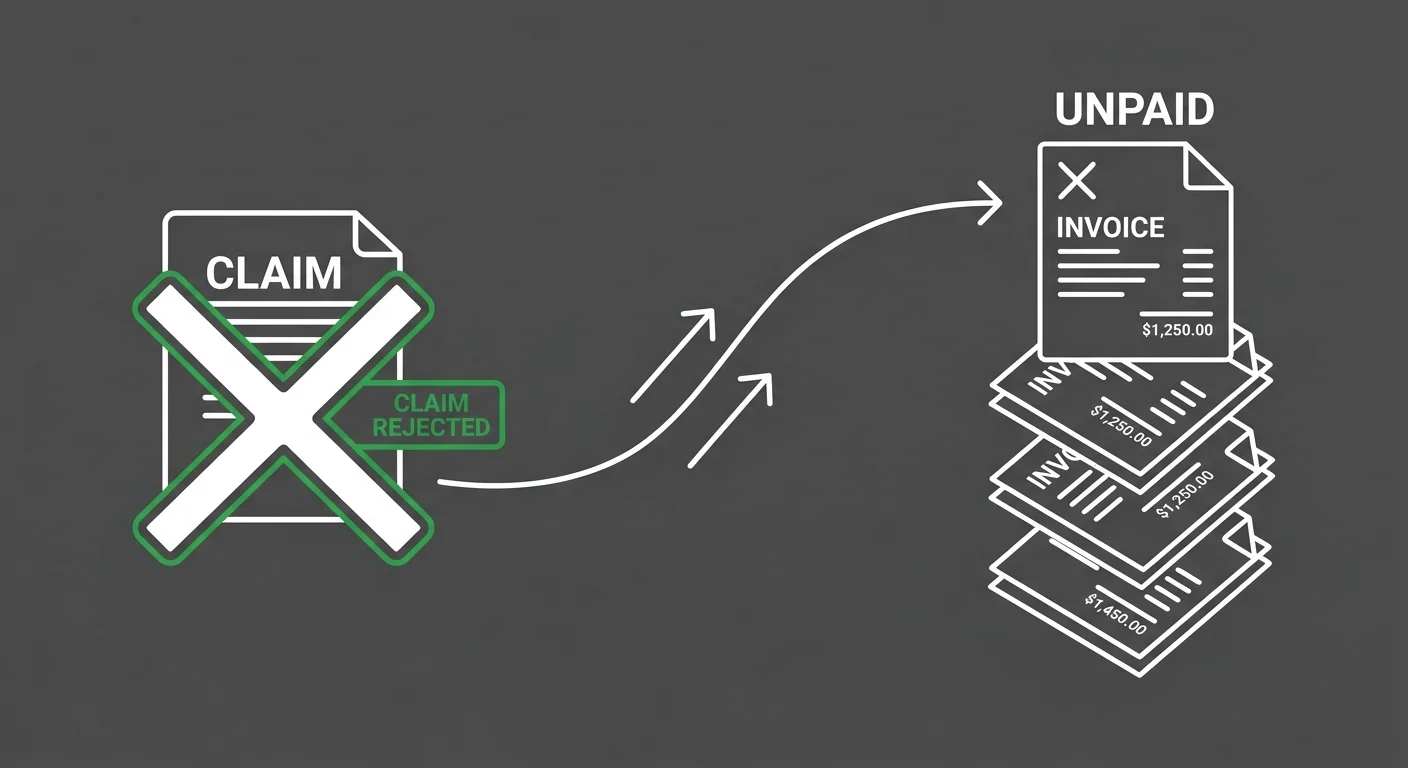
Most PI lien recovery strategies fail because they treat complex, high-value claims like standard insurance billing.
They're not.
The billing company submits documentation. Waits for the attorney to call with a settlement offer. Accepts whatever number comes back.
No proactive communication. No Clinical Value Translation. No argument for why the full lien amount is justified.
The result isn't just lost revenue. It's a referral relationship built on the attorney's assumption that your billing partner doesn't understand how PI settlements work — and that you'll always take less than you're owed.
The Volume-First Billing Model
Volume-first billing models optimize for throughput. Clean claims that pay quickly.
PI liens are the opposite. High-friction. attorney-negotiated. documentation-heavy. They require human judgment and specialty knowledge that automation can't replicate.
When a billing company's compensation model rewards submission speed over recovery rate, complex PI liens become cost centers.
They accept reduced settlement offers because negotiating takes time. They don't push back on attorney requests to discount the lien because the margin isn't worth the effort.
The practice loses revenue. The billing company protects its throughput metrics.
Practices that don't effectively manage complex claims and denials can lose up to 5% of their total net revenue.
That loss isn't spread evenly. It's concentrated in the exact claims where the most revenue is at stake — the high-value, high-friction PI cases that volume billers deprioritize.
And because the provider rarely gets visibility into the negotiation, they don't know the lien was discounted until the check arrives.
By then, the case is closed.
Why Attorneys Push Back on PI Liens
Attorneys aren't trying to cheat providers.
They're trying to maximize their client's net settlement after all liens, costs, and fees are deducted. Every dollar that stays in the medical lien is a dollar that doesn't go to their client — or their contingency fee.
When billing documentation is unclear, incomplete, or riddled with errors — up to 80% of medical bills contain errors — attorneys have ammunition to argue the lien down.
Ineffective communication is a primary driver of disputes between medical providers and attorneys. Most billing companies never communicate proactively with the law firm until settlement is already being discussed.
By then, the attorney's already decided what the lien is worth.
The attorney doesn't see a well-documented case for medical necessity. They see a billing statement with no context, no rationale, and no partner on the provider side who can explain why the treatment justified the cost.
So they do what any competent attorney does. They negotiate it down.
| Billing Model | Primary Metric | PI Lien Priority | Result on Complex Cases |
|---|---|---|---|
| Volume-First Automation | Claims submitted per day | Low—treated as standard claim | Liens reduced or abandoned when attorney requests documentation or justification |
| Generalist Medical Billing | Submission speed and clean claim rate | Medium—processed reactively | No proactive communication; liens negotiated down due to lack of clinical context |
| In-House Passive Tracking | Time spent per case | High intent, low execution | Provider loses track of case status; attorney assumes disengagement and reduces lien unilaterally |
| Specialty PI Lien Partner | Lien recovery rate and attorney satisfaction | High—proactive Clinical Value Translation | Full or near-full recovery; attorney receives defensible documentation without follow-up requests |
What Clinical Value Translation Looks Like
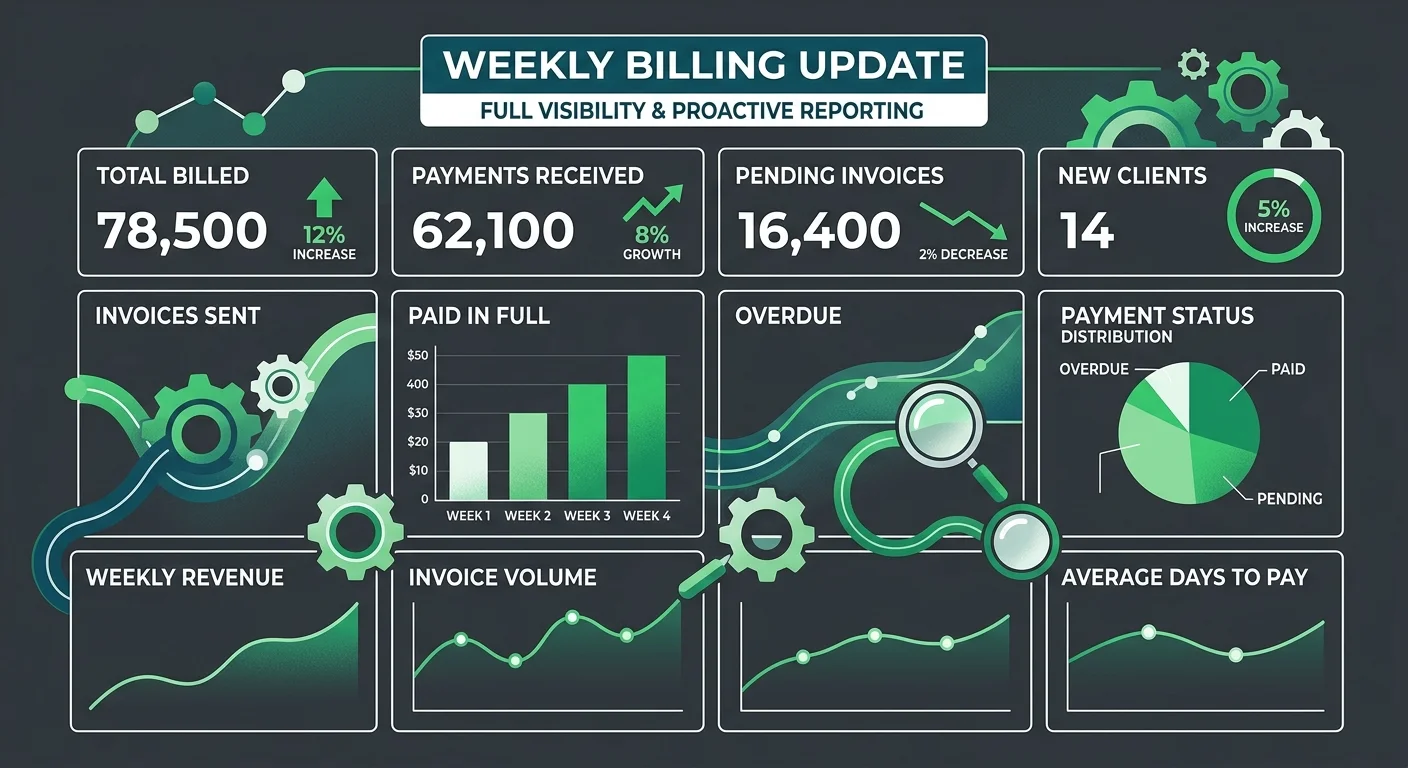
The alternative to volume-first billing isn't aggressive collections. It's proactive translation of clinical work into language attorneys can justify to their clients.
Clinical Value Translation is the process of converting clinical documentation and treatment rationale into language attorneys use to justify lien value to their clients and insurers.
It's not a billing tactic. It's a communication framework.
Attorneys don't reduce your lien because they're adversarial. They reduce it because they don't understand why your treatment was medically necessary. Or you haven't given them the narrative tools to defend your full invoice to the insurance adjuster.
Ineffective communication is a primary driver of disputes between providers and attorneys. It leads to delayed settlements that hurt both parties.
Volume-first billers can't perform this translation. They're optimized for clean claim submission speed. Not for the human judgment required to craft a medical necessity argument that resonates with a law firm. That's where revenue disappears.
Proactive Communication as Structure
Most billing companies treat communication as optional overhead. You find out there's a problem when the attorney sends a settlement statement with your lien slashed by half. By then the case is closed.
Proactive weekly updates on case status aren't a courtesy. They're a structure that surfaces objections early — before settlement negotiations finalize.
When an attorney raises a question about treatment frequency or medical necessity three months before settlement, you have time to provide clarification and documentation. When they raise it the day before settlement, you don't.
Proactive communication establishes your billing partner as a peer in the case. Not a creditor chasing payment. Attorneys engage differently when they know someone's tracking case progress and can answer questions without a two-week delay.
Silence isn't professionalism. It's a structure that hides problems until they cost you money.
Documentation That Justifies Your Lien
Thorough, objective medical documentation is a critical factor that can substantially increase the final settlement value of a personal injury claim.
But most practices don't document for lien defense. They document for clinical continuity.
Those are different standards.
Clinical continuity documentation tells you what happened in the treatment room. Lien defense documentation tells the attorney why that treatment was necessary. How it ties to the injury mechanism. What functional outcome it achieved.
The second version is what justifies your invoice to an insurance adjuster who's never met the patient.
When your documentation connects injury mechanism to treatment plan to measurable outcome, attorneys don't ask for reductions. They ask for clarification. And clarification doesn't cost you revenue.
Proper documentation for personal injury claims requires injury-specific narrative language. Not template notes.
Medical Necessity Narratives
A medical necessity narrative isn't a billing summary. It's a case story written for someone who wasn't in the room. The insurance adjuster. The defense attorney. The law firm partner reviewing settlement authority.
It answers the question every attorney needs to justify: why was this treatment reasonable and necessary for this injury?
Volume-first billers don't write these narratives. They don't have the clinical fluency or the time budget. They submit claims and move on.
When an attorney requests a treatment summary to support settlement negotiations, no one's available to produce it. So the lien gets reduced.
A DC-founded billing partner understands what maintenance care looks like versus active rehabilitation. They can explain why twelve visits over six weeks for a lumbar disc injury is standard care. Not overtreatment.
That distinction is the difference between full recovery and a settlement haircut.
Best practices for personal injury billing include crafting narratives that tie every date of service to injury progression and functional improvement. Generic billing companies don't know how to do this. Vertical specialists do.
| Communication Type | Timing | Attorney Value | Recovery Impact |
|---|---|---|---|
| Initial case intake summary | Within 48 hours of signing LOP | Establishes clear treatment plan and expected lien range before case progresses | Prevents surprise objections at settlement; attorney can allocate settlement funds accurately from day one |
| Weekly case status update | Every Monday, regardless of activity | Attorney knows patient compliance, treatment status, and projected MMI date without calling | Keeps your lien top-of-mind throughout the case; positions you as the organized, responsive provider |
| Medical necessity narrative | At MMI or when treatment plan changes | Provides attorney with defensible summary they can hand to opposing counsel or their client | Eliminates the need for attorney to request clarification; your lien is pre-justified before negotiation begins |
| Final lien statement with narrative recap | When attorney requests final balance | Connects every line item to injury mechanism and functional outcome in settlement language | Reduces negotiation rounds; attorney can defend your number immediately instead of coming back with a counteroffer |
How to Respond to Lien Reduction Requests

A reduction request isn't a rejection. It's a negotiation starting point.
The attorney is signaling that something in your documentation, your charges, or your communication didn't give them the confidence to defend your full lien amount to their client or opposing counsel.
How you respond to that signal determines whether you recover what you're owed or leave money on the table.
Most practices respond to reduction requests by either capitulating immediately—accepting whatever the attorney offers to avoid conflict—or by digging in defensively without addressing the underlying objection.
Both approaches cost you.
Capitulation trains attorneys to lowball every lien because they know you'll fold. Defensiveness without justification makes you the difficult provider who slows down settlements.
Neither strategy protects your revenue or your referral relationship.
The correct response to a reduction request is a counter-narrative that addresses the attorney's specific objection.
If they're questioning medical necessity, you provide a concise summary that ties every service to the injury mechanism and the patient's functional deficits. If they're questioning your rates, you provide regional benchmarks that show your charges align with standard chiropractic fees in your market.
If they're frustrated by communication gaps, you acknowledge the delay and provide the missing information immediately—with a structure in place so it doesn't happen again.
You're not defending a number. You're resolving medical liens by solving the problem that caused the reduction request in the first place.
When to Negotiate and When to Hold
Not every lien is worth fighting for at full value.
If your documentation doesn't support the full amount, if your rates are above regional norms, or if the patient abandoned care halfway through—you don't have grounds to stand on.
Holding firm when you don't have a defensible position doesn't make you principled. It makes you the provider attorneys avoid on the next case.
The decision to negotiate or hold comes down to whether your lien is defensible under scrutiny.
Can you demonstrate medical necessity for every service billed? Can you show that your rates are consistent with what other providers in your region charge for the same services? Can you document measurable clinical improvement tied directly to your treatment?
If the answer to all three is yes, you hold.
If any of those answers is weak, you negotiate—but you negotiate from a position of transparency, not fear.
Thorough, objective medical documentation is a critical factor that can substantially increase the final settlement value of a personal injury claim.
That documentation isn't a compliance artifact. It's your bargaining position.
When an attorney asks for a reduction and you respond with a narrative that answers every question they were about to ask, you shift the negotiation. You're no longer defending a number. You're clarifying why the number was justified from the start.
The providers who get reduced repeatedly are the ones who treat every lien as non-negotiable without being able to explain why.
Attorneys stop taking those providers seriously.
The providers who recover full value consistently are the ones who know when to hold and when to adjust—and who can articulate the difference clearly enough that the attorney understands they're dealing with a professional, not an obstacle.
Understanding common attorney objections to PI lien settlements lets you preempt the reduction request entirely by addressing the objection before it's raised.
| Reduction Request Scenario | Attorney's Concern | Your Defense | Likely Outcome |
|---|---|---|---|
| Attorney questions medical necessity of treatment frequency | Can't defend twelve weeks of care when standard recovery is shorter | Provide medical necessity narrative connecting injury mechanism to functional deficits, ROM restrictions documented at intake, and measurable progress notes showing incremental improvement tied to treatment frequency | Attorney accepts full lien or negotiates minor reduction based on documentation quality |
| Attorney claims your rates are above regional norms | Opposing counsel will argue charges are inflated compared to other providers | Provide regional fee benchmarking from three comparable practices in your market, showing your charges align with or fall below standard chiropractic rates for similar services | Attorney accepts rates as defensible or requests modest adjustment if benchmarking reveals legitimate outlier |
| Attorney hasn't heard from you since treatment ended six months ago | Assumes documentation is incomplete or you're difficult to work with | Acknowledge communication gap immediately, provide complete documentation package within 48 hours, establish weekly update protocol for future cases | Attorney reduces lien modestly due to delay but prioritizes your cases moving forward due to responsiveness |
| Patient abandoned care midway through treatment plan without documented reason | Can't justify full lien when treatment plan wasn't completed and outcome is unclear | Adjust lien to reflect services actually rendered, provide narrative explaining patient discontinued care against clinical recommendation, document functional status at time of discontinuation | Attorney accepts reduced lien reflecting actual services; relationship preserved by acknowledging weak position rather than defending indefensible number |
Building Long-Term Attorney Relationships

Once you've recovered this case, the question becomes whether the attorney sends you the next one.
That's the difference between a transaction and a relationship.
Attorneys don't refer based on who submitted the fastest lien. They refer based on who made their job easier the last time. If your billing process added friction, delays, or confusion to the settlement, you won't hear from them again.
But if you made them look competent to their client and efficient to opposing counsel — you become part of their case workflow.
Long-term attorney relationships aren't built on charm or gratitude. They're built on predictability.
Attorneys need to know that when they accept a PI case with your lien attached, the billing side won't become a problem they have to manage. They need to know you'll respond quickly when they need documentation. They need to know your charges are defensible if opposing counsel challenges them.
And they need to know you won't ghost them after treatment ends and then demand full payment at settlement without providing any interim updates.
The practices that build referral momentum with law firms are the ones who operate like embedded partners. Not like vendors who show up only when there's money to collect.
That means proactive case status updates. That means responding to documentation requests the same day. That means understanding how a medical lien works from the attorney's perspective so you can anticipate their needs instead of reacting to their frustration.
It means making the attorney's decision to work with you again the easiest decision they make all week.
Case Progress Tracking Without the Phone Tag
Most practices lose referral relationships not because of poor clinical outcomes. They lose them because attorneys can't get case updates without leaving three voicemails.
When an attorney calls your office asking where a case stands, and your front desk doesn't know, and your biller doesn't know, and you don't know because nobody's been tracking it — that attorney decides right then that the next case goes to a different provider.
They won't tell you that. They'll just stop calling.
Case tracking isn't about having sophisticated software. It's about having a system where every PI case has a documented status at all times.
Active treatment. Discharged pending settlement. Lien filed. Attorney contacted for updates. Settlement received.
If you can't answer 'Where's the Smith case?' in thirty seconds without digging through files, your tracking system is costing you referrals. Attorneys don't have patience for providers who treat PI cases like an afterthought until settlement checks start clearing.
The most effective way to track personal injury case progress is to assign responsibility to one person who owns communication with the law firm. Not whoever answers the phone that day.
That person knows which cases are in active litigation. Which are stalled in discovery. Which are approaching settlement conferences. They reach out to the attorney's paralegal monthly with a brief status request — not to nag, but to update your internal records so you're never caught off-guard when the attorney finally calls asking for final billing.
Attorneys remember the providers who made case coordination simple. They forget the ones who were technically correct but administratively exhausting.
Our DC-founded specialty billing approach eliminates the administrative friction that kills referral relationships. A billing partner who understands chiropractic clinical value can translate it into settlement language without requiring three follow-up calls to clarify what 'maintenance care' means.
You don't get referrals by being competent. You get referrals by being easy to work with when opposing counsel demands documentation at 4 PM on a Friday.
Frequently Asked Questions
The framework's clear.
But you've got questions. Specific ones.
These aren't hypotheticals.
They're the exact friction points where Clinical Value Translation either holds or breaks.
What Are the Most Common Attorney Objections to Chiropractic PI Lien Settlements?
Attorneys object when your clinical narrative doesn't line up with settlement economics.
Three objections show up constantly. One: treatment duration exceeds the standard acute care window. Two: the billing looks like maintenance care rather than active injury management. Three: the documentation doesn't establish clear causation between the accident and the services rendered.
All three trace back to the same problem. Ineffective communication is a primary driver of disputes between providers and attorneys. The attorney isn't questioning your clinical judgment. They're questioning whether they can justify your lien to an adjuster or jury.
That's translation failure. Not billing failure.
How Can I Track PI Case Progress Without Spending Hours on the Phone with Law Firms?
You don't.
You partner with a billing company that treats case tracking as structural. Not optional.
Weekly case status updates kill the phone tag cycle entirely. You get a documented status report every week. The attorney's office gets one contact who knows the case file.
This isn't convenience. It's a communication structure attorneys trust enough to send you the next referral.
What specific documentation is most critical for justifying treatment costs to an attorney?
Three documents carry the entire argument.
The initial assessment with mechanism of injury and baseline functional status. Progress notes that document objective improvement tied to specific treatment interventions. The final narrative that connects the treatment plan to the settlement demand.
Thorough, objective medical documentation is a critical factor that can substantially increase the final settlement value of a claim. Attorneys can't argue medical necessity without it.
But here's what most practices miss. The documentation has to be error-free. Up to 80% of medical bills contain errors, and every billing discrepancy hands the defense a reason to question your clinical record.
Clean billing isn't administrative housekeeping. It's the foundation of your lien defense.
How should I respond to an attorney's request to reduce my lien without devaluing my services?
You respond with data. Not defensiveness.
Break the lien into treatment phases. Show the attorney what covered acute care. What addressed functional restoration. What the comparable cash-pay rate would've been.
Then ask one question: which phase wasn't medically necessary?
Most reduction requests aren't personal. They're procedural. The attorney's fitting your lien into a settlement structure that works for their client's net recovery.
If you can't justify the clinical rationale in language the attorney can repeat to their client, the reduction isn't unreasonable. It's inevitable.
What's the best way to establish clear communication protocols with a law firm from the start of a PI case?
Set the protocol before the first treatment note is written.
Define who the attorney contacts for billing questions. How often case status updates go out. What documentation format the attorney wants for lien demands.
Most provider-attorney breakdowns happen because nobody defined the process upfront. The practice assumes the attorney will ask when they need something. The attorney assumes the practice will proactively update them.
Neither happens.
The case sits. The lien ages. The relationship dies.
Clear communication protocols aren't red tape. They're the difference between a referral partner and a one-time case.
Where This Leaves You
You're not wondering whether PI lien recovery is possible. You're wondering whether it's possible without burning the attorney relationships that send you cases in the first place.
The answer depends entirely on whether your billing partner understands that this isn't a collections problem. It's a Clinical Value Translation problem.
Volume-first billers treat PI liens as transactional paperwork. They submit the lien. Wait for the settlement check. Accept whatever the attorney offers.
Fighting for full recovery costs more labor than their model budgets for.
So you lose revenue. And they move on to the next claim.
Clinical Value Translation requires someone who can read your documentation, understand the injury mechanism and the treatment rationale, and explain it to an attorney in terms that justify your lien to their client and to opposing counsel.
That's not a billing clerk's job. That's not software.
That's a peer-to-peer conversation between someone who understands chiropractic clinical value and someone who needs to defend that value under legal scrutiny.
Most billing companies can't do this. They don't employ anyone with clinical training. They employ data entry specialists who know how to code a claim but don't know how to argue medical necessity when an attorney pushes back.
They can't explain why twelve visits were justified when the attorney's paralegal is asking why the patient didn't plateau after six. They can't contextualize your regional rates when opposing counsel claims you're overcharging.
They don't have the expertise. So they accept the reduction and move on.
You don't get paid what you're owed. And you don't know it happened until you see the check.
The practices that recover full PI lien value consistently aren't the ones who bill the most aggressively.
They're the ones whose billing partner operates as an embedded extension of the clinical team. Someone who can translate treatment necessity into settlement language without requiring three clarifying calls from the attorney's office.
That's the model.
Either your billing partner can execute it, or they can't. If they can't, you're not maximizing recovery. You're hoping the attorney offers more than the last case.
Hope isn't a billing strategy.
You already know Clinical Value Translation works. The question is whether your billing partner can actually execute it. If your setup treats PI liens like standard insurance claims—submit and hope—you're losing recovery every time an attorney negotiates down and nobody pushes back with clinical justification. A practice assessment shows you exactly where your PI lien workflow breaks. Documentation gaps that attorneys exploit. Communication delays that make you look disorganized. Or a billing partner who doesn't have the clinical expertise to defend your treatment value when the attorney's office calls with questions.
© 2026 Bushido Billing. All Rights Reserved | Web Design by iTech Valet