

Why Should a Chiropractor Hire a Biller Who is Also a DC?

Your billing partner has adjusted spines. Documented subluxations. Navigated the same insurance headaches you deal with every day.
They understand your world.
That understanding shows up in practical ways.
When a claim gets denied for "lack of medical necessity," a DC-led billing team doesn't just see a coding problem. They recognize the documentation gap because they've faced it themselves.
They know what P.A.R.T. criteria look like in practice, not just on paper.
This matters more now than it used to.
Medicare's 2026 Physician Fee Schedule introduces new efficiency adjustments. ICD-10-CM updates effective October 2025 require more specific pain codes. Documentation standards keep getting more detailed.
A DC-led billing company understands why these changes matter clinically, not just administratively.
That's what expert medical billing solutions look like when they're built by people who've lived your experience.
For clinic owners stretched thin between patient care and running a business, having a billing partner who genuinely gets your situation can feel like a weight off your shoulders.
How Clinical Knowledge Helps Your Claims

The biggest advantage of working with a DC-led billing company isn't the credential itself.
It's the practical expertise that comes from having done the work you do.
Here's how that plays out.
Medical Necessity Documentation
Medical necessity denials are one of the most common frustrations in chiropractic billing.
Industry estimates suggest 15-30% of chiropractic claims face initial denial. Many of those happen because documentation doesn't clearly explain why treatment was appropriate.
A DC understands what "medical necessity" actually means in clinical terms.
They know Medicare requires at least two of the four P.A.R.T. criteria for each treated region.
They understand how to show functional improvement in a way that satisfies payers.
They recognize when documentation tells a complete story and when it leaves gaps.
This understanding translates directly into fewer denied claims.
When a DC-led billing team reviews your claims before submission, they catch issues that generalist billers miss. They have the clinical context to spot problems.
The AT Modifier
Every chiropractor billing Medicare knows the AT modifier is required on manipulation codes 98940, 98941, and 98942.
Claims submitted without it get denied automatically.
But there's a difference between knowing the modifier exists and understanding what it represents.
A DC-led billing team knows that "active care" means treatment designed to improve function. Not maintain current status.
They can help you structure documentation that demonstrates real functional improvement.
They understand the clinical markers payers look for during review.
When your notes show specific baseline measurements, treatment goals tied to functional outcomes, and objective progress indicators, your claims tell a complete story.
A DC recognizes these elements naturally.
A generalist biller might not understand why documenting range of motion changes matters so much.
Maintenance Care
One of the trickiest areas in chiropractic billing is knowing when a patient transitions from active care to maintenance care.
Medicare doesn't cover maintenance care.
They define it as treatment that maintains current function rather than improving it.
Getting this wrong can cost your practice real money.
The Office of Inspector General has historically identified significant improper Medicare payments to chiropractors. Much of it gets attributed to maintenance care billed as active treatment.
The documentation requirements to stay compliant are nuanced.
A DC-led billing team understands these nuances because they've navigated them as treating providers.
They know when re-assessment documentation supports continued active care. They know when clinical indicators suggest maximum therapeutic benefit.
This helps you maximize insurance reimbursements for services that should be covered while avoiding compliance issues.
What's Changing in 2026
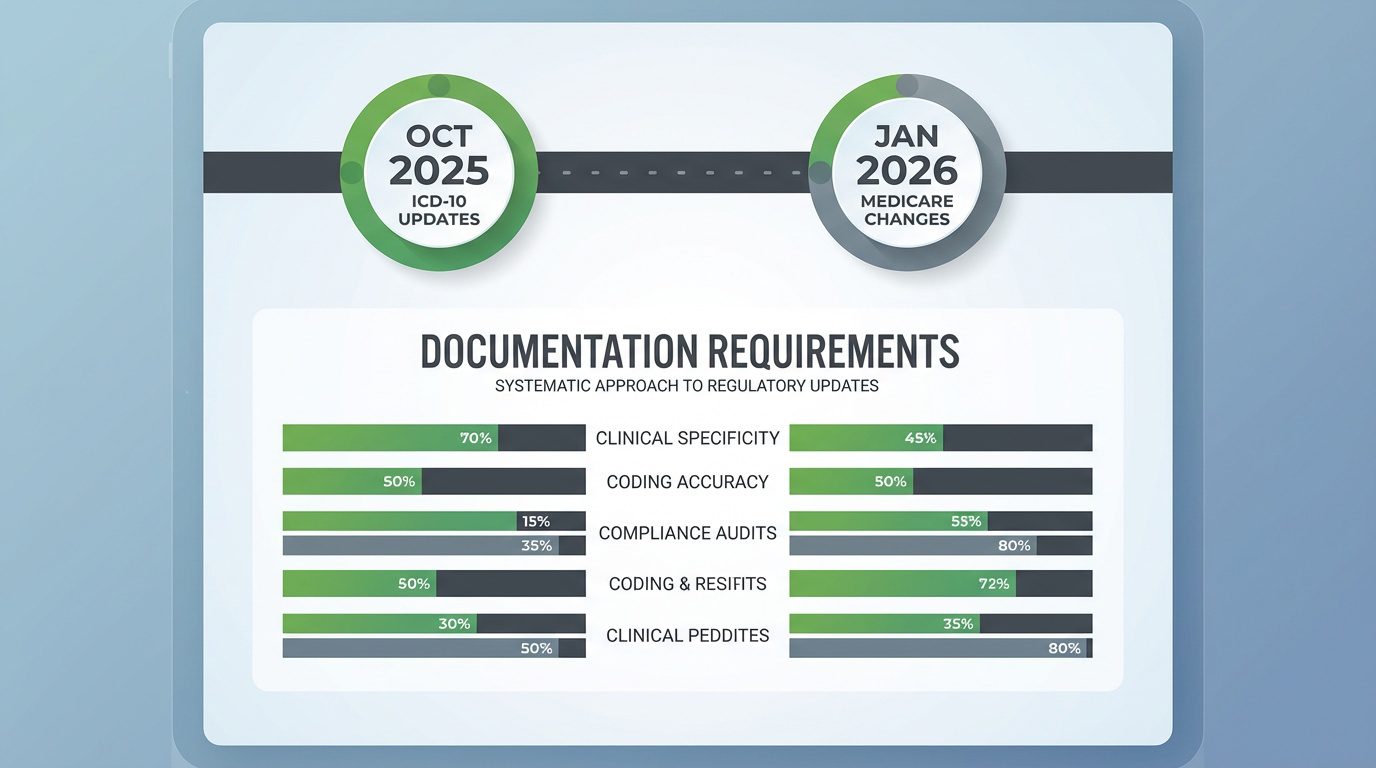
The 2026 regulatory environment brings changes that reward specialized knowledge.
Understanding what's shifting helps you stay ahead of potential issues.
Medicare Fee Schedule Updates
The CY 2026 Medicare Physician Fee Schedule includes several policy changes affecting chiropractic reimbursement.
After the 2.8% cut to conversion factors in 2025, Congress approved a temporary 2.5% payment increase for 2026.
The conversion factor for non-APM participants increased to $33.40. That's a 3.26% increase from 2025.
However, this relief may be short-lived. And some of that increase gets offset by other adjustments.
CMS finalized an efficiency adjustment of –2.5% to work RVUs for non-time-based services. Practice expense methodology changes also affect how payments are calculated.
For chiropractic practices, understanding how these changes affect your specific codes takes specialized knowledge.
A DC-led billing team tracks these developments and can help you adapt.
ICD-10-CM Updates
The FY 2026 ICD-10-CM updates went into effect October 1, 2025.
They include 487 new codes, 28 deleted codes, and 38 revised codes.
The core spinal codes you use daily remain stable. But several changes affect how you document symptoms and comorbidities.
Key changes for chiropractic billing:
- Pain code specificity: R10.2 for pelvic and perineal pain now requires more location detail. Using older codes triggers denials for services on or after October 1, 2025.
- Social determinants of health: Chapter 21 Z-codes for financial stress, housing issues, and employment challenges have been expanded. These can support medical decision making.
- Excludes1 and Excludes2 rules: New code relationships mean certain combinations automatically deny.
A DC-led billing team understands how these coding changes interact with clinical documentation.
They can help ensure your EHR templates and superbills reflect current requirements.
2026 Changes at a Glance
| Medicare Conversion Factor Increase | January 1, 2026 | $33.40 for non-APM participants (3.26% increase) |
| Efficiency Adjustment | January 1, 2026 | –2.5% to work RVUs for non-time-based services |
| ICD-10-CM Pain Code Expansion | October 1, 2025 | R10.2 requires more location detail |
| SDOH Z-Code Updates | October 1, 2025 | New codes for financial and housing factors |
| G2211 Home Visit Expansion | January 1, 2026 | Add-on code extends to home E/M visits |
| Practice Expense Rebalancing | January 1, 2026 | Adjusts payment allocation between settings |
The G2211 Add-On Code
The G2211 complexity add-on code provides additional reimbursement for visits involving ongoing longitudinal care relationships.
It began Medicare payment in 2024.
Starting in 2026, this code extends to home and residence E/M visits.
For chiropractors who also bill E/M codes, understanding when G2211 applies requires clinical judgment.
The code recognizes visit complexity from ongoing care for a serious or complex condition.
A DC-led billing team can evaluate whether your documentation supports this add-on.
DC-Led vs. Generalist Billing

Understanding the practical differences helps clarify what you're actually getting.
Where Generalists Often Struggle
Generalist billing companies handle multiple medical specialties.
They process claims for primary care, surgical practices, mental health providers, and everyone in between.
That breadth can come at the cost of depth.
Chiropractic billing has specific requirements that generalist billers sometimes miss:
- Subluxation as primary diagnosis: Medicare requires the subluxation code listed first, with the neuromusculoskeletal condition secondary. Generalist billers unfamiliar with this may code claims incorrectly.
- Regional specificity: Documentation must support treatment to each spinal region billed. If a patient complains only of cervical pain but the claim includes thoracic treatment, medical review may deny the additional regions.
- Modifier complexity: Beyond the AT modifier, chiropractors navigate GA, GY, and GX modifiers. Each tells a different story about the service and patient liability.
EHR-specific workflows: Different chiropractic EHR systems like JaneApp, ChiroTouch, and others have unique claim submission processes. A specialized billing team knows the common issues in each platform.
Why Appeals Work Better with Clinical Knowledge
When claims get denied, the appeal process determines whether you recover that revenue or write it off.
This is where DC-led billing companies often show their value most clearly.
Insurance companies employ clinical reviewers to evaluate appeals.
These reviewers look for documentation that supports medical necessity using clinical reasoning they understand.
When your appeal is written by someone who speaks their professional language, it carries more weight.
A DC constructing an appeal can explain functional improvement in terms peer reviewers recognize.
They can reference appropriate outcome measurement tools.
They can articulate why the treatment plan was clinically appropriate.
Research suggests more than 60% of claims denied on first adjudication eventually get paid on appeal.
Having a billing partner who can advocate effectively makes a real difference in your cash flow.
Key Differences
| Clinical Knowledge | Deep understanding of P.A.R.T. criteria and functional improvement | General medical billing knowledge |
| Medical Necessity | Can identify documentation gaps from personal experience | May miss clinical nuances |
| Appeals | Peer-level communication with insurance reviewers | Template-based appeals |
| Regulatory Awareness | Tracks chiropractic-specific updates | May not prioritize specialty changes |
| Staff Training | Can train from clinical experience | Limited clinically-informed training |
| EHR Expertise | Specialized knowledge of chiropractic platforms | Generalized familiarity |
Working with Someone Who Gets It

Beyond technical expertise, there's something to be said for working with people who understand your day-to-day reality.
They've Been Where You Are
Clinic owners often describe feeling alone in the business challenges of running a practice.
The stress of cash flow uncertainty. The frustration of unexplained denials. The worry about potential audits.
All of it adds up on top of the already demanding work of patient care.
When your billing partner has experienced those same pressures, the relationship feels different.
They've had late nights reconciling accounts.
They've had uncomfortable conversations with patients about insurance coverage.
They understand what it means when the AR report keeps growing and nobody can explain why.
This shared experience creates something closer to a partnership than a vendor relationship.
A DC-led billing company tends to advocate for your revenue with genuine investment in your success.
They understand what's at stake.
Providers who've made this switch often describe it as a "huge weight off our shoulders."
The relief comes not just from improved cash flow. It comes from knowing someone competent and trustworthy is handling things.
What Trust Looks Like
For clinic owners burned by past billing companies, trust has to be earned.
A few things help distinguish reliable partners:
- Clear weekly reporting showing exactly what's happening with claims, payments, and outstanding issues
- Documented processes for handling denials, appeals, and patient inquiries
- Real expertise with your specific EHR platform
- Steady, methodical problem-solving without drama or finger-pointing
- Leadership with actual clinical and billing operations experience
When the people running a billing company have personally experienced the frustrations they're now solving, their commitment feels genuine.
The "By Owners, For Owners" Difference
Some billing companies were founded by chiropractors specifically to solve problems they'd experienced firsthand.
This origin story matters because it shapes how the whole organization operates.
A company started by DCs who couldn't find adequate billing solutions understands the market from the inside.
They know what good communication looks like because they've lived with poor communication.
They understand why accuracy matters because they've seen how errors cascade into real problems.
This creates a kind of accountability that's hard to manufacture.
When leadership has professional reputations tied to the outcomes their company delivers, quality becomes the standard.
For practices that have been "hoping for the best" with claims, solving common medical billing challenges starts with finding a partner who truly understands what you're dealing with.
When Does DC-Led Billing Make the Most Sense?
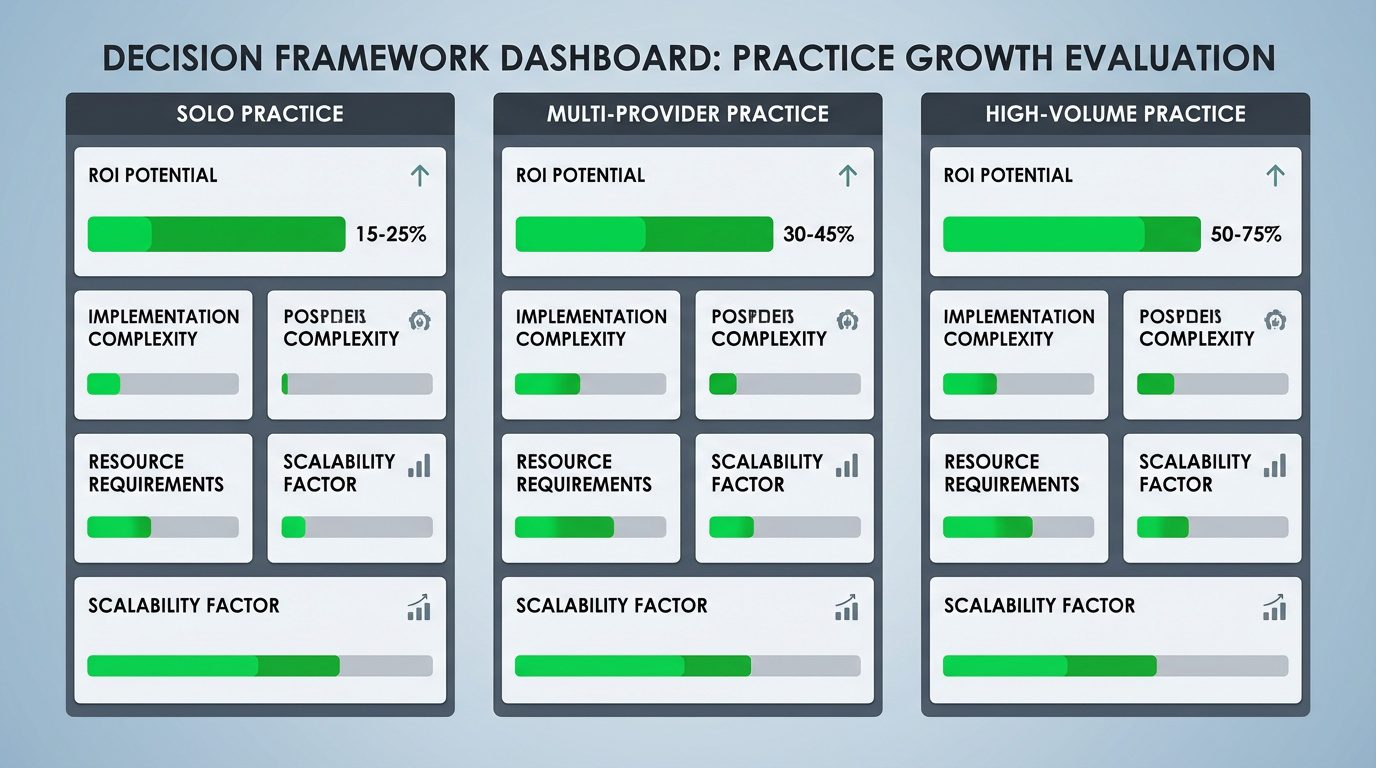
Not every practice needs the same level of billing support.
Understanding when DC-led billing provides the most value helps you figure out if it makes sense for your situation.
Situations Where It Helps Most
Certain practice characteristics signal a particularly good fit.
Medicare-heavy patient populations face the most demanding documentation requirements and highest denial risk.
The AT modifier requirement, maintenance care restrictions, and medical necessity standards all benefit from specialized expertise.
Personal injury caseloads involve complex lien management, attorney communication, and settlement tracking.
Generalist billers often struggle to handle these well.
DC-led teams understand the clinical documentation that supports these higher-value cases.
Multi-provider practices face billing complexity that increases quickly as you add providers.
Coordinating documentation standards, tracking productivity, and managing multiple payer relationships benefits from systematic approaches.
Practices recovering from billing problems often benefit most from specialized intervention.
Whether that's a growing AR report, unclear write-off patterns, or unexplained denials.
Fixing the underlying issues requires understanding what's actually going wrong.
New practice owners transitioning from employment face steep learning curves.
Having a billing partner with relevant experience helps prevent expensive mistakes early on.
Practice Size Considerations
| Solo Practitioner | Not enough time | Complete billing management |
| Small Group (2-3 providers) | Inconsistent documentation | Training and standardized processes |
| Multi-Location | Scalability, reporting | Systematic approaches with customization |
| High-Volume Clinic | Throughput without errors | Efficient processes with clinical accuracy |
| Startup Practice | Establishing cash flow | Comprehensive support from launch |
Thinking About ROI
The financial return on billing services involves both direct recovery and opportunity cost.
Direct recovery includes claims that would have been denied. Appeals that recover previously lost revenue. Making sure you're billing appropriately for services you provide.
Research suggests practices with organized billing processes achieve 25-40% reduction in denial rates.
Opportunity cost involves time you're not spending on patient care, marketing, or practice development because you're dealing with billing.
When you factor in what a chiropractor's time is worth hourly, even modest efficiency gains often make financial sense.
The stress reduction is harder to quantify but worth mentioning.
Administrative burden contributes to burnout. Burnout ends clinical careers.
What to Look For

If you're considering a DC-led billing company, knowing what to look for helps you find the right fit.
Things Worth Verifying
When assessing potential billing partners, look for:
Clinical credibility: Confirm leadership includes actual Doctors of Chiropractic with clinical experience. Not just advisory relationships.
Platform-specific expertise: Make sure they have demonstrated experience with your EHR system.
Communication protocols: Understand exactly how and when you'll receive updates. Weekly reporting should be standard.
Denial management process: Ask specifically how they handle denials. What percentage gets appealed? What's their success rate?
Compliance awareness: Confirm they track regulatory changes affecting chiropractic billing.
References from similar practices: Request references from clinics similar to yours.
Questions That Reveal Expertise
Asking the right questions helps distinguish genuine expertise from marketing claims.
"Explain the difference between active care and maintenance care under Medicare guidelines."
A DC-led team should articulate this clearly. Including documentation requirements and transition protocols.
"What's your process when a claim is denied for medical necessity?"
Listen for specific steps. Documentation review, clinical assessment of appeal potential, clear timelines. Vague answers suggest limited capability.
"How do you handle the 2026 ICD-10 updates affecting pain code specificity?"
Current expertise should include awareness of the R10.2 expansion and SDOH Z-code changes.
"Describe how you'd train my front-desk staff on insurance verification."
A DC-led team can provide clinically-informed training. This is where automated insurance benefit verification processes become relevant.
Warning Signs
Certain patterns suggest a billing company may not deliver:
- Leadership credentials that don't include actual clinical experience
- Inability to explain chiropractic-specific billing requirements when asked
- Generic communication promising "great results" without specifics
- Reluctance to provide references from chiropractic practices
- Lack of awareness about recent regulatory changes
- Pressure tactics that feel more like sales than problem-solving
The best billing partners feel like colleagues who happen to focus on revenue protection.
They communicate clearly. Explain things patiently. Demonstrate genuine understanding of your reality.
What Happens After You Choose
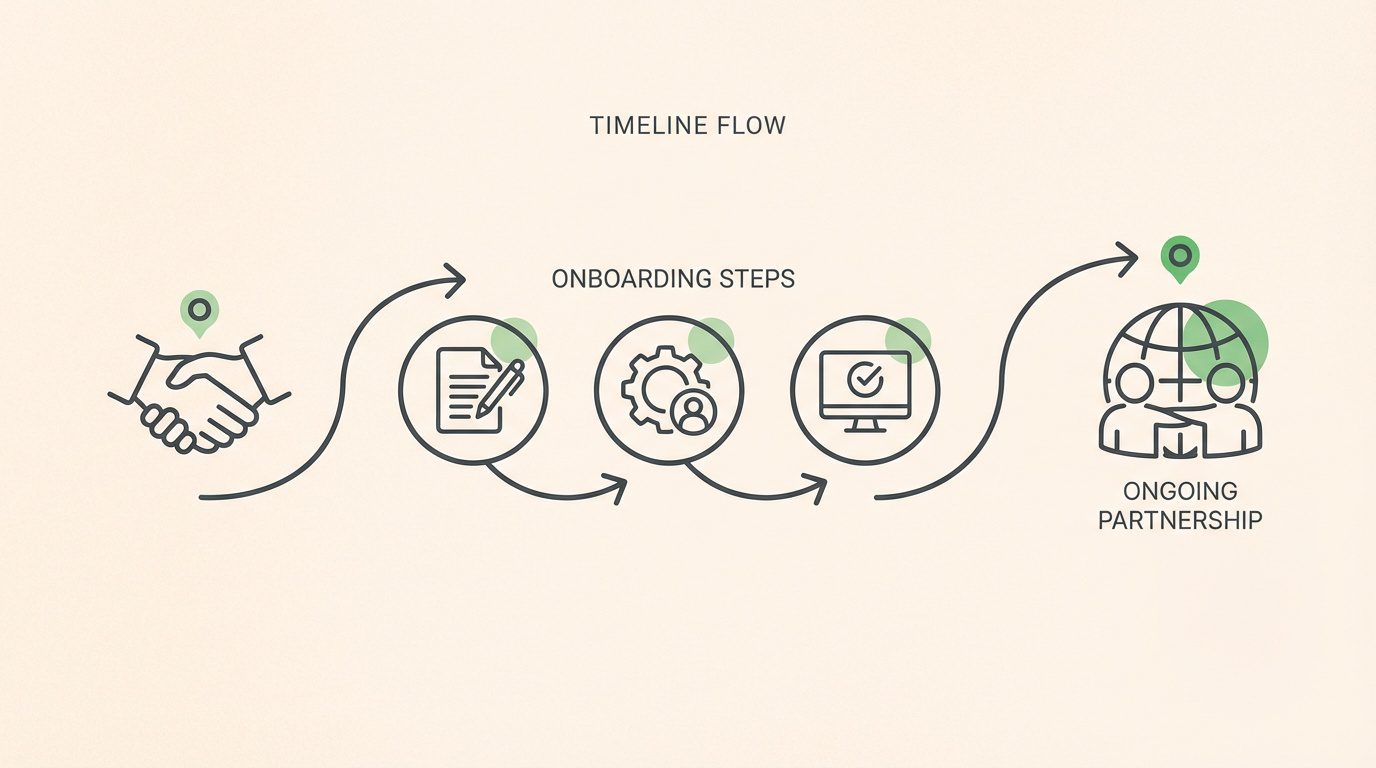
Understanding the onboarding and ongoing relationship helps set appropriate expectations.
The Discovery Process
Quality billing partnerships start with assessment.
A Discovery Session lets both sides evaluate fit before making commitments.
During discovery, the billing team reviews your current billing status. AR aging, denial patterns, payer mix, documentation practices.
You share your frustrations, goals, and concerns.
They explain their processes and how they'd approach your specific situation.
This mutual evaluation matters.
Not every practice is right for every billing company. Honest assessment prevents mismatched partnerships.
For you, discovery provides clarity on what's working, what's not, and what options exist.
Transitioning
Moving billing to a new partner requires coordination.
Typical onboarding includes:
- EHR access setup and system review
- Fee schedule research and software configuration
- Payer inventory and credentialing status verification
- Current AR assessment and cleanup planning
- Documentation template review and recommendations
- Staff training on new workflows and communication protocols
The transition period can feel intensive.
But thorough onboarding prevents problems that would otherwise surface later.
A DC-led team brings clinical perspective to this process. They often identify documentation improvement opportunities that generalist onboarding would miss.
Ongoing Communication
After onboarding, the partnership moves into regular operations.
Communication standards should include:
Weekly reporting showing claims billed, payments posted, outstanding questions, current AR status, denials with next-step actions, and completed tasks.
Direct access to your assigned billing specialist for questions between regular reports.
Proactive alerts when patterns suggest problems.
Periodic reviews discussing practice performance and optimization opportunities.
This approach reflects a philosophy of keeping you informed and in control.
Human Expertise in an Automated World

As billing software gets more sophisticated, human clinical expertise becomes more important.
Not less.
Where Automation Falls Short
Automated billing tools do well with pattern recognition. Claim scrubbing. Routine tasks.
They can flag potential errors, verify eligibility, and route claims efficiently.
But automation can't effectively argue a nuanced medical necessity appeal with an insurance peer reviewer.
It lacks the clinical judgment to assess when documentation genuinely supports treatment.
It can't understand contextual factors that make one patient's treatment appropriate while similar treatment for another might not be.
When an insurance company denies a claim because their algorithm flagged it as maintenance care, the appeal requires human judgment.
Someone needs to evaluate the clinical documentation. Assess whether it actually supports active care. Construct an argument that resonates with the human reviewer.
This is where clinical expertise provides value software can't replicate.
The Peer Review Dynamic
Insurance companies employ clinical reviewers to evaluate medical necessity for chiropractic claims.
Often including chiropractors.
When your appeal reaches these reviewers, the quality of clinical reasoning matters a lot.
A DC-led billing team constructing your appeal understands how peer reviewers think.
They share professional training and clinical perspective.
They know which documentation elements reviewers prioritize.
This peer-level communication creates appeal success rates that template-based approaches can't match.
Technology Supporting Human Judgment
The best billing operations use technology to support human expertise. Not replace it.
Automation handles routine tasks efficiently. This frees human specialists to focus on complex decisions, appeals, and practice optimization.
A DC-led billing company using appropriate technology offers both efficiency and expertise.
Clearinghouses like Claim.MD provide real-time claim status verification.
Practice management software automates eligibility checks.
But human judgment guided by clinical knowledge makes the decisions that protect your revenue.
Chiropractic billing isn't purely transactional.
It requires understanding the clinical care being billed and the regulatory framework governing reimbursement.
Technology alone can't provide that understanding.
Frequently Asked Questions
Does a medical billing company need to be led by a chiropractor?
Not legally, no.
But having a DC at the helm provides real advantages.
A chiropractor-led billing company understands the clinical nuances of spinal manipulation. They can translate treatment into billable codes accurately. They can argue medical necessity with peer-level authority during appeals.
This clinical knowledge gap is often why generalist billing companies struggle with chiropractic claims.
What is the difference between a generalist biller and a chiropractic specialist?
Generalist billers handle multiple specialties but typically lack deep knowledge of chiropractic-specific requirements.
Things like the AT modifier, P.A.R.T. documentation criteria, subluxation diagnosis hierarchy, and maintenance vs. active care distinctions.
Chiropractic specialists, especially those led by DCs, understand these nuances because they've experienced them clinically.
This expertise directly affects denial rates and revenue recovery.
How does clinical knowledge help in appealing insurance denials?
When a claim is denied for medical necessity, the appeal usually requires explaining clinical reasoning.
A DC-led billing team can construct appeals using clinical language that resonates with peer reviewers.
They understand functional improvement documentation, outcome measurement tools, and how to show care meets active treatment criteria.
Why should I trust another DC with my clinic's finances?
A DC-led billing company operates with peer-level accountability.
They understand the financial pressures of running a chiropractic practice because they've experienced them directly.
This creates a partnership approach rather than a vendor relationship.
They advocate for your revenue with genuine investment because they understand what's at stake.
What are the 2026 Medicare documentation requirements for chiropractors?
Medicare continues to require P.A.R.T. documentation with at least two criteria documented.
The AT modifier remains required for all active treatment manipulation codes (98940-98942).
ICD-10-CM updates effective October 2025 require more specificity for pain location codes. Also expanded Z-codes for social determinants of health.
Can a DC-led billing team help train my front-desk staff?
Yes.
Because DC-led billing teams understand both clinical and administrative sides of chiropractic practice, they can provide meaningful training.
Documentation best practices, proper modifier usage, diagnosis pointing, insurance verification workflows.
This training comes from practical experience. It's directly applicable to daily operations.
They can help with everything from converting clinic leads to patients to optimizing your revenue cycle.
How do I know if my current billing company understands medical necessity?
Ask them to explain the difference between active care and maintenance care under Medicare guidelines.
Ask them to describe P.A.R.T. criteria and when re-assessments should occur.
If they struggle with these fundamentals or give vague answers, they may not have the specialized knowledge chiropractic billing requires.
Is it better to outsource to a peer-led company or hire an in-house biller?
Both have merits.
But in-house billers present turnover risk and training burden.
When an in-house biller leaves, cash flow often stalls for weeks during recruitment and training.
A DC-led billing company provides continuity, specialized expertise, and built-in backup.
They stay current on regulatory changes without you funding ongoing education.
Some practices also wonder about chiropractic tax deductions and how billing services factor into practice expenses.
Moving Forward
Working with a DC-led billing company reflects a recognition that chiropractic billing requires more than administrative competence.
It requires clinical understanding that connects patient care to revenue protection.
The 2026 regulatory environment makes this expertise more valuable than it's been before.
Medicare payment policies, ICD-10 coding updates, and payer documentation requirements all favor practices that approach billing with specialized knowledge.
For clinic owners who've been managing billing themselves, dealing with a growing AR report, or feeling frustrated by a billing company that doesn't understand chiropractic care, working with someone who genuinely gets your world offers a path forward.
When your billing partner understands your clinical reality, they can protect your revenue with the competence and advocacy it deserves.
That lets you focus on what you got into this profession to do in the first place.
Choosing the right billing partner is one of the bigger decisions you'll make for your practice's financial health.
If you've been managing billing yourself, watching revenue slip through the cracks, or feeling frustrated by a current billing company that doesn't understand chiropractic care, you're not alone.
If you're thinking "this all makes sense, but I don't have time to figure it out," you're in good company.
Most clinic owners we work with felt the same way before they realized how much revenue was getting left on the table.
That's why we offer a free discovery call.
It's a chance to talk through your current billing situation and get clarity on what's working, what's not, and what your options are.
We'll help you understand:
- Where your claims might be getting stuck
- What's causing denials or delays
- Whether your AR is healthy or needs attention
- How your current process compares to what we typically see
- What working together would actually look like
Book a Call — no pressure, no obligation, just a straightforward conversation about your billing.
Because every week you spend uncertain about your billing is another week of not knowing where you actually stand.
SCHEDULE YOUR FREE DISCOVERY SESSION TODAY.


Copyright 2026 | All rights reserved | Web Design by iTech Valet