

What Are the Most Common Chiropractic Billing Errors and How Do I Avoid Them in 2026?
Here's the reality most clinic owners don't want to hear.
Roughly 30% of chiropractic claims face initial denial. That's nearly double the 15% rate seen in general healthcare—and it means one in three claims requiring rework, appeals, or simply going uncollected.
The errors behind those denials fall into predictable categories: missing AT modifiers, documentation gaps, diagnosis code problems, bundling mistakes, and timely filing violations.
The good news? Most of these are entirely preventable.
In 2026, the margin for error has shrunk considerably. The 2.8% Medicare conversion factor cut that took effect in 2025 means every denied claim hits harder. Layer on the new ICD-10-CM requirements from October 2025, and sloppy billing gets punished more than ever.
But here's what we've seen working with chiropractic practices: maximizing chiropractic revenue through documentation isn't about tricks or gaming the system.
It's about getting paid for care you've already provided.
And developing a systematic approach to denied claims recovers money that's rightfully yours.
This guide walks through the seven most common billing errors, explains why each triggers denials, and gives you practical steps to fix them.
The Real Cost of Billing Errors in 2026
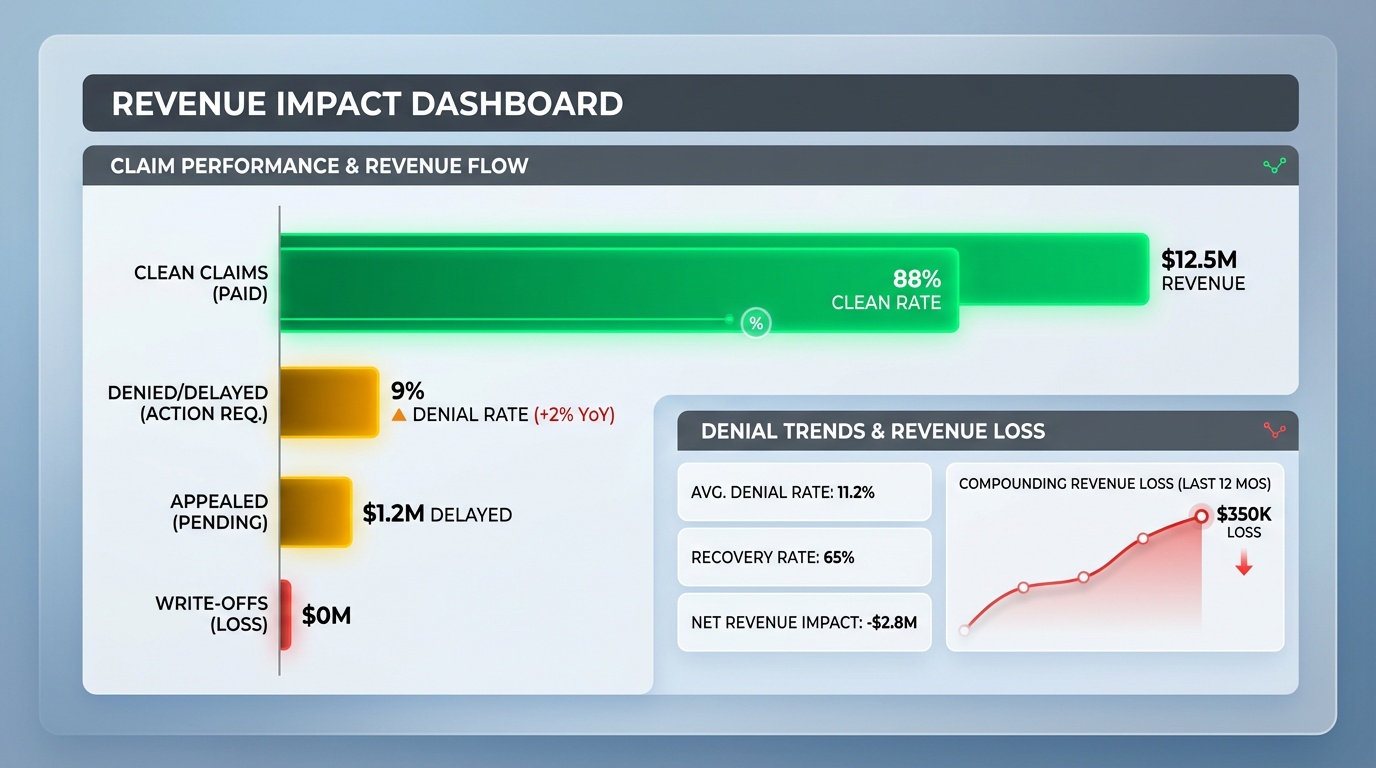
Before we dig into specific errors, let's talk about what's actually at stake.
The chiropractic market reached approximately $19.6 billion in 2024. It's projected to grow to $41.3 billion by 2034.
That growth sounds great—until you realize it comes with increased payer scrutiny.
More claims means more audits. More documentation requests. More sophisticated denial algorithms.
When Small Errors Compound
A single denied claim feels like a minor nuisance. Correct it, resubmit, move on.
But billing errors rarely happen in isolation.
If your practice habitually submits claims without the AT modifier, every Medicare claim faces automatic rejection.
If your documentation templates lack specificity, every claim from every provider carries the same vulnerability.
What looks like a $50 problem is actually a $5,000 problem waiting to surface.
The administrative cost per denied claim increased from $43.84 in 2022 to $57.23 in 2023. That's just staff time for rework, appeals, and follow-up calls.
Multiply that across dozens of monthly denials.
You're looking at a full-time employee's worth of effort spent fixing preventable problems.
What 2025/2026 Changed
The regulatory pressure has intensified.
The 2025 Medicare Physician Fee Schedule dropped the conversion factor to $32.35 from $33.29 in 2024. That's a 2.8% cut.
For CPT codes 98940, 98941, and 98942, that means lower reimbursement on every approved claim.
You're already getting paid less per adjustment. Denials on top of that? That's a revenue problem you can't ignore.
The FY 2026 ICD-10-CM updates (effective October 1, 2025) added 487 new codes. The SDOH Z-codes require documenting social factors when they affect care decisions.
Codes that worked fine in 2024 may trigger denials in 2026.
What you could get away with before won't fly anymore.
Error #1: The AT Modifier Problem

If there's one billing error that makes us shake our heads, it's this one.
The AT modifier mistake is the single most preventable yet most common problem in chiropractic Medicare billing.
And it results in automatic rejection.
No human review. Just an instant denial.
Why This Modifier Matters So Much
Medicare covers only active/corrective treatment for subluxation. Not maintenance care.
The AT modifier tells Medicare that the treatment you're billing is medically necessary and expected to produce functional improvement.
When a claim for CPT codes 98940, 98941, or 98942 arrives without that modifier, Medicare's system automatically classifies it as maintenance therapy.
That's it. Denied.
No one even looks at the clinical notes.
Where Practices Go Wrong
We see four common mistakes:
- Complete omission - Someone forgets to append it, especially during batch billing. Result? 100% denial rate on affected claims.
- Using AT for maintenance care - When a patient has reached maximum benefit, continued treatment is maintenance. Billing with AT at that point isn't just incorrect—it's audit bait.
- Missing documentation backup - The modifier alone doesn't guarantee payment. Medicare can still deny if your notes don't support active treatment goals.
Wrong modifier position - Some billing systems are finicky about where modifiers appear. AT in the wrong field may not transmit correctly.
The Fix
Two steps will eliminate most AT modifier problems.
First, build the AT modifier into your EHR templates for Medicare patients.
Make it auto-populate for CMT codes unless someone actively removes it.
Omission should be the exception requiring deliberate action, not the default.
Second, establish clear thresholds for transitioning to maintenance care.
When a patient shows no measurable improvement over multiple visits, document it clearly. Get an ABN signed. Switch to the GA modifier.
This protects both your practice and your patient.
| Modifier | When to Use | What You Need Documented |
|---|---|---|
| AT | Active treatment with expected improvement | PART notes, functional goals, measurable progress |
| GA | Services likely to be denied; ABN signed | Signed ABN on file, maintenance care documented |
| GY | Services Medicare never covers (extraspinal) | Note explaining non-covered status |
| GX | Voluntary ABN for services exceeding limits | Signed ABN, explanation of service scope |
Error #2: Documentation That Doesn't Support Medical Necessity
This one hurts because it catches practices that think they're doing everything right.
A 2021 Office of Inspector General audit found that 89% of chiropractic Medicare claims lacked sufficient documentation.
Not 8.9%. Eighty-nine percent.
The claims weren't necessarily fraudulent. The care was appropriate.
But the documentation didn't prove it.
What "Medical Necessity" Actually Means
Here's where the disconnect happens.
Medical necessity isn't about whether the patient feels better after treatment.
It's about whether your documentation proves the treatment was required to address a specific condition with expected functional improvement.
Medicare's standard is clear: treatment must be expected to result in improvement within a reasonable time period.
The burden falls entirely on you.
Payers don't assume treatment was necessary. They require proof in every note.
The PART Framework
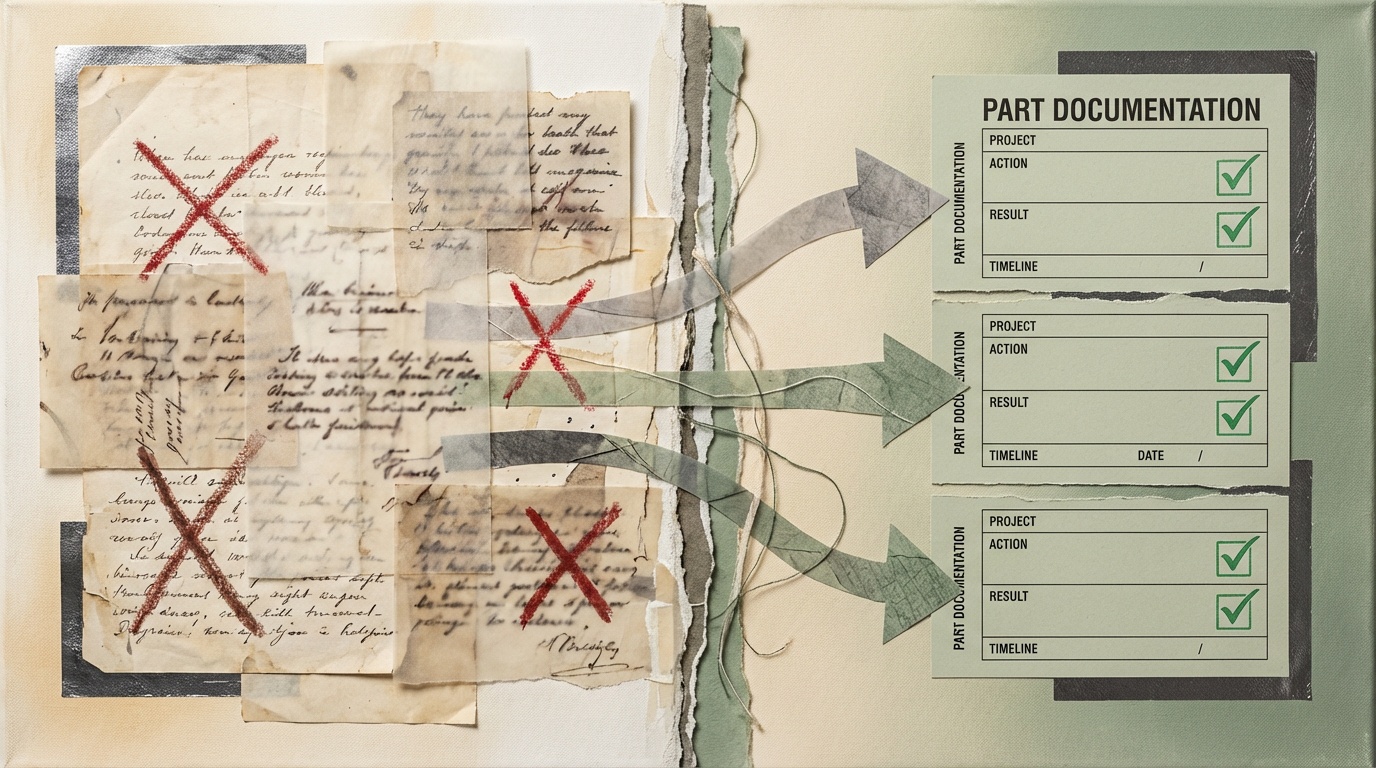
Medicare auditors expect documentation structured around PART:
- Pain - Where is it? How intense? What quality? How does it affect daily function? "Low back pain" tells an auditor nothing. "Sharp pain at L4-L5, rated 7/10, limiting sitting tolerance to 15 minutes" gives them something to work with.
- Asymmetry - What postural findings support the diagnosis? Leg length discrepancy? Pelvic unleveling?
- Range of motion - Don't just say "limited." Measure it. "Lumbar flexion limited to 40 degrees versus expected 80 degrees" is auditable. "Limited lumbar ROM" is not.
- Tissue tone - Document your palpation findings specifically. Where is the muscle spasm? How severe?
Practices documenting with these specific, quantifiable measures experience significantly fewer denials and audit recoupments.
Red Flags That Attract Auditors
Certain patterns practically invite audit attention:
- Copy-paste notes - Identical documentation across visits suggests improvement isn't being tracked.
- Improvement without discharge - Consistent progress but indefinite treatment raises questions about maintenance transition.
- Missing re-evaluation - Notes without periodic progress assessment concern auditors.
Vague goals - "Reduce pain" isn't a functional goal. "Return patient to 8-hour workday tolerance" is measurable.
Error #3: Diagnosis Code Specificity Failures
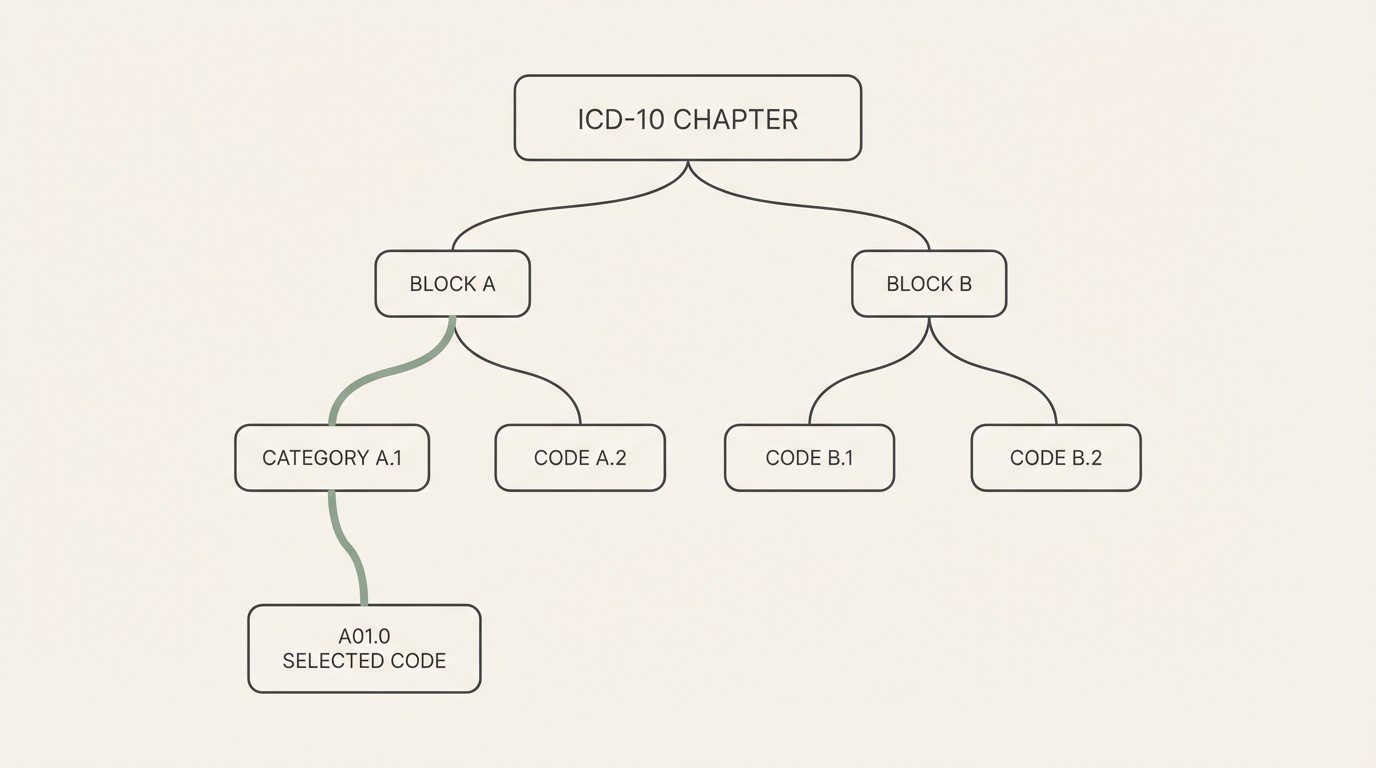
Diagnosis coding errors kill claims before anyone evaluates your clinical work.
The claim has to pass automated edits checking diagnosis-procedure compatibility.
If your codes aren't specific enough, you're dead at the gate.
Why Specificity Keeps Getting Stricter
ICD-10 demands precision.
Generic codes that worked in previous years now trigger denials.
The FY 2026 ICD-10-CM updates raised the bar further. Code R10.2 (pelvic and perineal pain) is no longer valid on its own.
It became a parent code requiring more specific child codes.
For chiropractic practices, the M99 subluxation codes remain critical.
But supporting diagnoses need equal attention.
Common Coding Mistakes
- Using unspecified codes when specificity exists - Billing M54.9 (dorsalgia, unspecified) when M54.2 or M54.5 would be accurate. Unspecified codes suggest incomplete evaluation.
- Reversed ordering - Medicare requires subluxation (M99.0x) as primary for CMT codes. Flip that order and you'll get an automatic denial.
- Missing laterality - Many codes require specifying left, right, or bilateral. Missing laterality returns as incomplete.
Ignoring SDOH codes - The newer Z-codes can support medical decision-making complexity. When financial insecurity affects treatment adherence, documenting Z59.861 adds context payers recognize.
Building Reliable Code Sets
Rather than selecting codes from scratch each visit, build validated combinations:
| Presentation | Primary Dx | Secondary Dx | Supporting Codes |
|---|---|---|---|
| Cervical subluxation with headache | M99.01 | M54.2 | G44.1 (if tension-type) |
| Lumbar subluxation with radiculopathy | M99.03 | M54.5 | M54.16 or M54.17 (laterality) |
| Thoracic subluxation, acute | M99.02 | M54.6 | S23.1XXA (if traumatic) |
Update these annually when ICD-10 revisions take effect.
Error #4: Bundling and Modifier 59 Problems
When you perform multiple procedures on the same day, payers apply bundling edits to prevent duplicate payment.
Misunderstand these rules and you either lose legitimate revenue or create audit exposure.
Sometimes both.
How Bundling Works
The National Correct Coding Initiative (NCCI) maintains edit pairs—code combinations that typically shouldn't be billed together.
When both codes appear on the same claim, the lower-valued code gets denied automatically.
Unless a modifier indicates the services were truly distinct.
For chiropractic practices, common bundling issues involve:
- CMT codes (98940-98942) with manual therapy (97140)
- CMT codes with therapeutic exercise (97110)
- Multiple CMT codes on the same date
The default assumption? These services overlap.
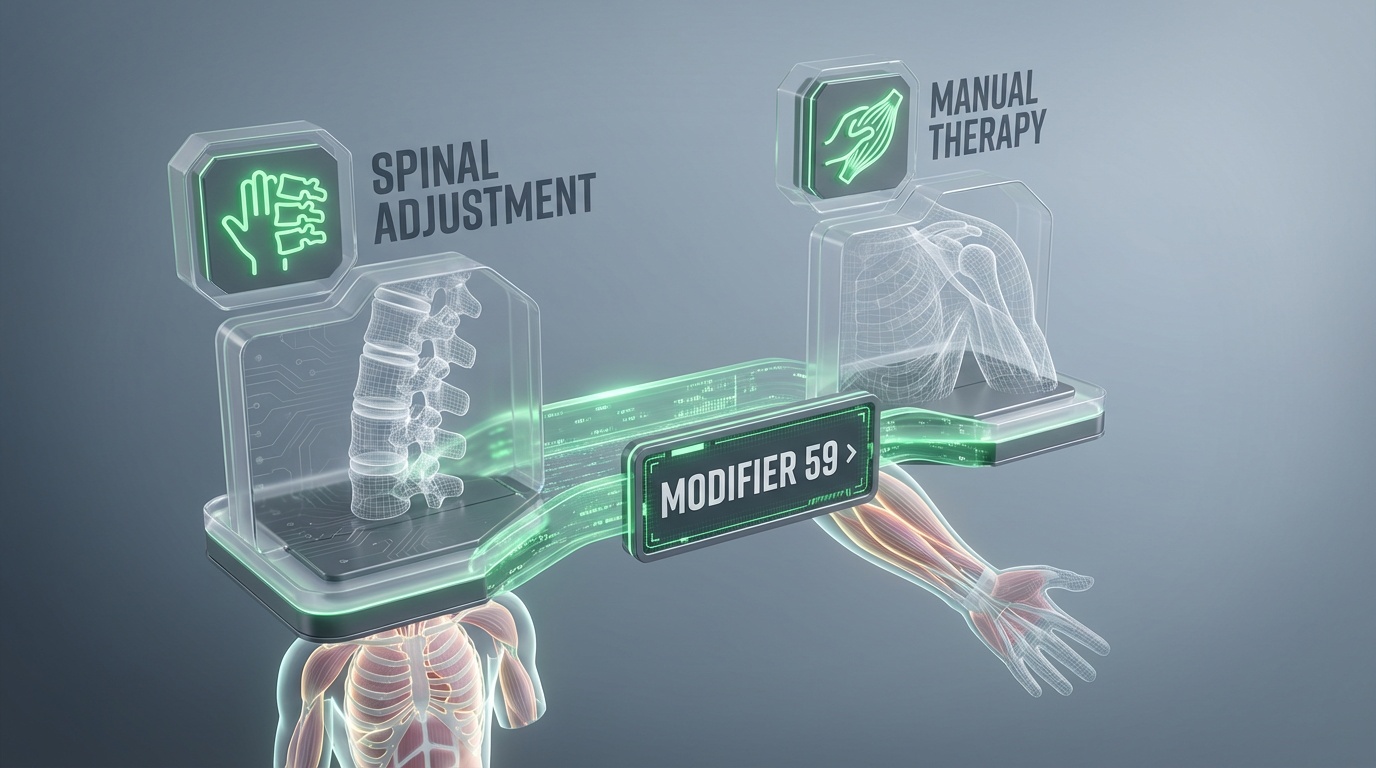
Modifier 59 tells the payer the services were performed on different anatomical regions or are otherwise distinct.
When Modifier 59 Is Appropriate
Use it only when services genuinely meet distinctness criteria.
Different anatomical regions - CMT to the lumbar spine and manual therapy to the shoulder. The manual therapy addresses a separate complaint.
Different clinical purposes - Therapeutic exercise for post-surgical knee rehabilitation on the same day as CMT for unrelated cervical pain.
Using modifier 59 when services actually do overlap constitutes improper coding.
Audits specifically target practices with high modifier 59 usage rates.
The Modifier 59 Subsets
CMS created four specific modifiers to clarify exactly why services are distinct:
- XE (Separate Encounter) - Services occurred during distinct encounters on the same day
- XS (Separate Structure) - Services performed on different anatomical structures
- XP (Separate Practitioner) - Different practitioners provided the services
- XU (Unusual Non-Overlapping Service) - Services don't overlap despite appearing bundled
Using subset modifiers instead of generic 59 reduces audit scrutiny.
It signals exactly why services are separately billable.
Error #5: Timely Filing Violations
This seems like it should be simple.
Submit claims within the deadline. Done.
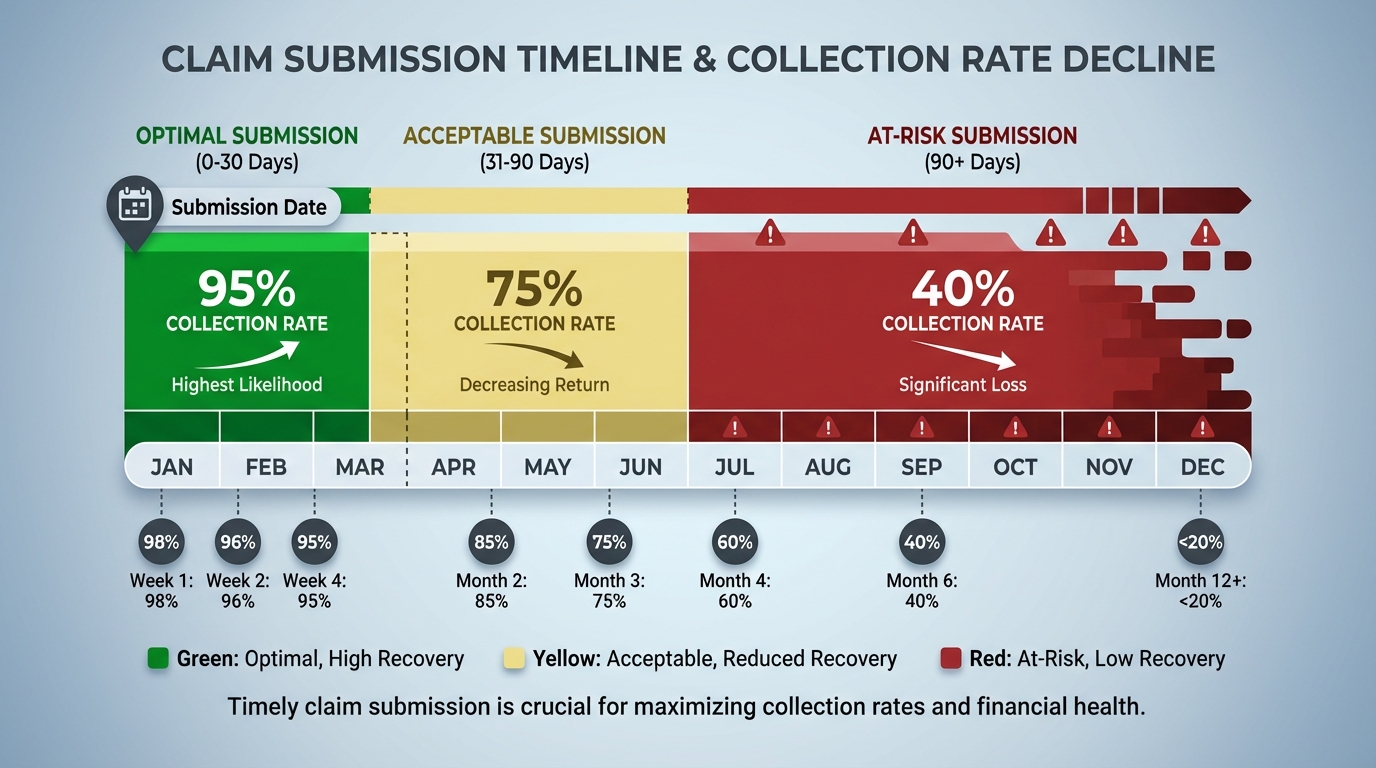
And yet timely filing violations consistently rank among top denial reasons.
Often for claims that would otherwise have paid without issue.
Know Your Deadlines
Every payer sets its own filing window. Miss it, and the claim dies with no appeal rights.
- Medicare - 12 months from date of service
- Medicaid - Varies by state, often 90-180 days
- Commercial payers - Typically 90-180 days; some as short as 60 days
- Workers' compensation - Varies by state and carrier
The clock starts on the date of service, not when you prepare the claim.
Why This Keeps Happening
Several workflow breakdowns create filing deadline problems:
- Rejected claim sits in queue - Initial claim returns for correctable error. Staff are busy. Days become weeks, then months. Window closes.
- Waiting for information - Practice delays submission pending verification. Deadline passes while waiting.
- AR cleanup surprises - Periodic review uncovers unsubmitted claims from months ago. Too late.
Wrong date tracking - Systems track by submission date rather than service date. Claims look current but are approaching deadline.
The Prevention System
Set a 30-day submission standard.
Claims should go out within 30 days of service regardless of payer deadline.
This creates buffer time for rejections and corrections.
Build automated alerts at key intervals:
- 30 days: First reminder if claim not submitted
- 60 days: Escalation for unresolved claims
- 90 days: Priority review for approaching deadlines
- 300 days: Emergency handling for Medicare claims
Run chiropractic AR reports weekly, sorting by date of service rather than submission date.
This surfaces aging claims before they cross filing thresholds.
Error #6: Insurance Verification Gaps
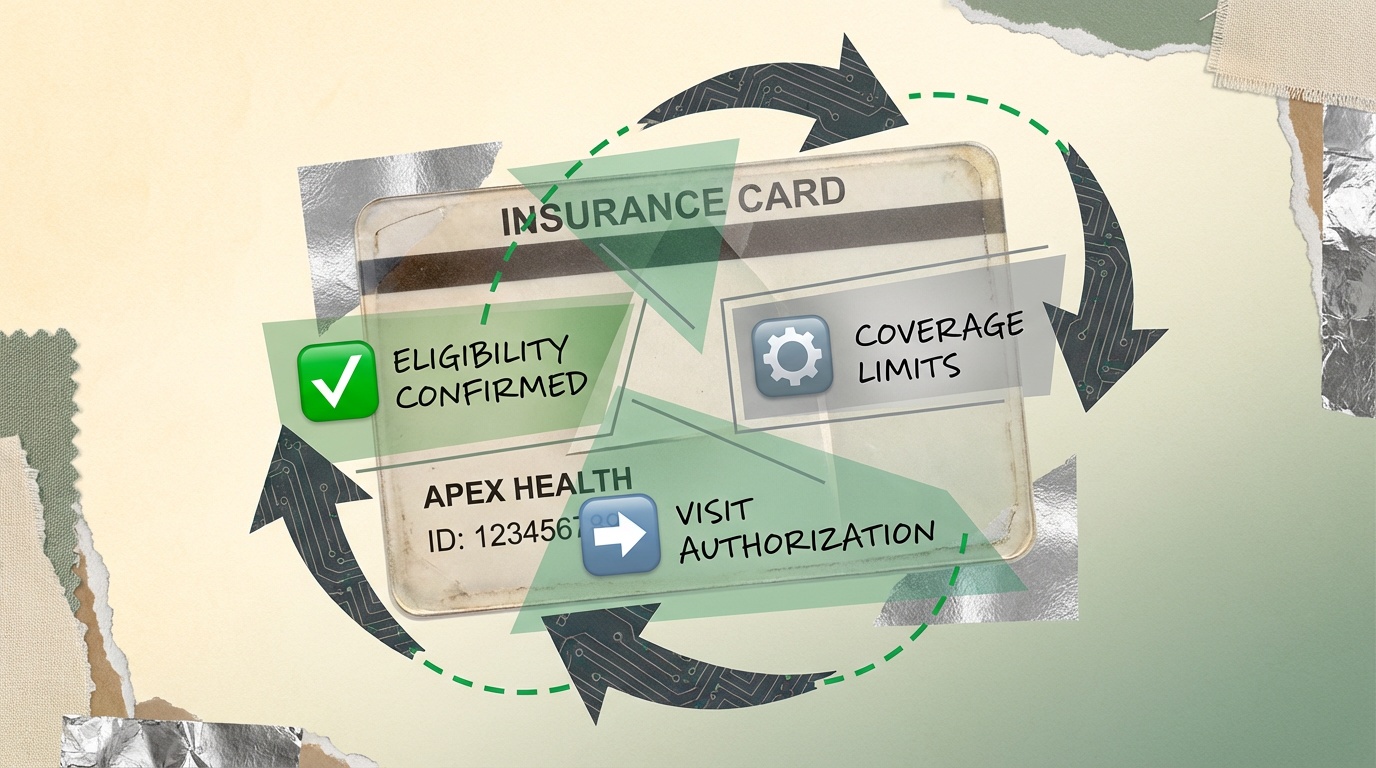
Verification errors happen before treatment even begins.
Bill a claim to an inactive policy, exhausted benefits, or a plan that excludes chiropractic, and you've created a denial.
Plus an awkward collection conversation with the patient.
What Verification Should Capture
An effective insurance verification process confirms more than just "yes, they have coverage":
- Current eligibility - Is the policy active as of service date?
- Chiropractic coverage - Does the plan include chiropractic benefits? Some explicitly exclude it.
- Visit limits - How many visits covered annually? Remaining count?
- Authorization requirements - Pre-auth required for CMT or therapeutic services?
- Copay/deductible status - What's the patient's responsibility?
- Network status - Are you in-network for this specific plan?
Verifying only eligibility without confirming chiropractic benefits leads to claims that look correct but deny for coverage exclusions.
You did the verification. It just wasn't complete.
Verification Timing
This isn't a one-time activity.
People change jobs. Switch plans. Lose coverage. Exhaust benefits.
- New patient intake - Full verification before first appointment
- Annual re-verification - At calendar year start when benefits reset
- Quarterly spot-checks - Catches mid-year changes
- Before high-dollar services - Verify before anything with significant cost exposure
Practices that verify only at intake discover coverage changes months later.
Often after multiple visits have been rendered and denied.
Error #7: EOB Misinterpretation and Incomplete Follow-Up
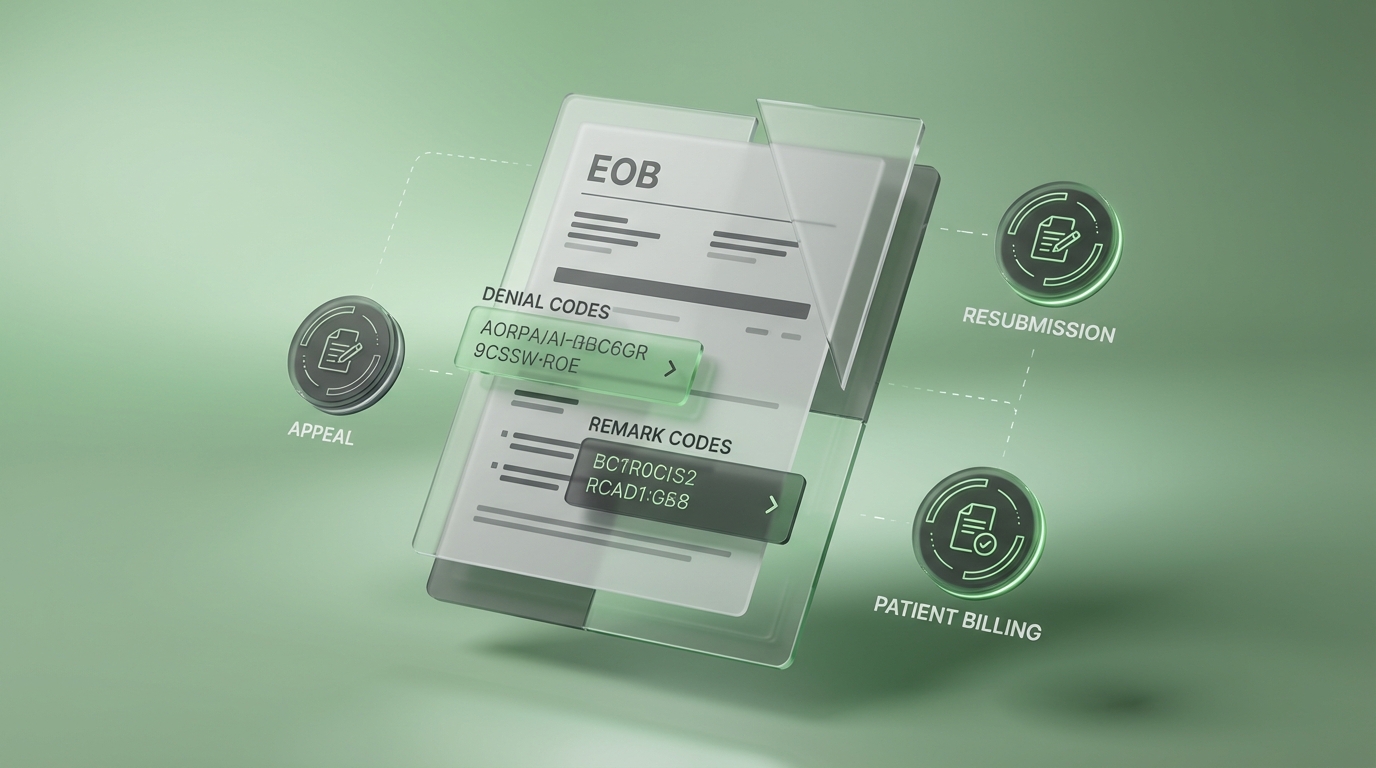
When claims return partially paid or denied, the Explanation of Benefits contains information you need.
Misread these codes—or fail to follow up at all—and recoverable revenue stays on the table.
Understanding What the Codes Mean
Every denial includes reason codes. Interpreting insurance denial codes correctly determines your response:
| Code Category | Examples | What to Do |
|---|---|---|
| Coverage (CO) | CO-4, CO-11, CO-16 | Correct and resubmit |
| Patient responsibility (PR) | PR-1, PR-2, PR-3 | Bill patient for deductible/copay |
| Contractual (CO-45) | Contractual adjustment | Write off per contract |
| Authorization (CO-15) | Prior auth required | Obtain auth, resubmit if within window |
| Medical necessity (CO-50) | Not covered as billed | Appeal with clinical documentation |
Some denials require resubmission with corrections.
Others require appeal with supporting documentation.
Others indicate the claim is correctly denied and should be written off or billed to the patient.
Treating them all the same wastes time and loses money.
Building a Denial Management System
A systematic process recovers revenue that reactive practices abandon:
- Categorize immediately - Sort denials into correction, appeal, patient billing, or write-off queues as they arrive.
- Track patterns - Same denial code appearing repeatedly? You have a systemic issue. Fix the root cause.
- Set appeal deadlines - Most payers allow 60-180 days. Track these separately from initial filing deadlines.
- Document what works - When appeals succeed, note what worked. When they fail, document why.
Practices that treat denials as individual exceptions miss patterns that could be fixed upstream.
The Revenue Guardian Model: Systematic Error Prevention

Fixing individual errors is necessary.
But it's not enough.
Sustainable revenue protection requires a system that prevents errors before they occur and catches those that slip through.
That's the difference between constantly fighting fires and actually getting ahead of the problem.
Pre-Submission Review Protocol
Every claim should pass through checkpoints before it goes out:
- Modifier verification - Is AT present for Medicare CMT claims? Is modifier 59 supported by documentation?
- Diagnosis validation - Are codes specific, properly ordered, compatible with procedures?
- Documentation check - Do notes contain PART elements, measurable goals, progress indicators?
- Eligibility confirmation - Has coverage been verified for this date of service?
Automated claim scrubbing catches many errors.
But human review catches context-dependent issues that software misses.
Those are often the most expensive mistakes.
Pattern Analysis and Training
Monthly denial analysis reveals training needs before they become expensive problems.
If modifier errors cluster around certain staff members, targeted training addresses the gap.
If specific payers deny at higher rates, payer-specific protocols may be needed.
If certain procedure codes generate consistent problems, your documentation templates need review.
This transforms billing from reactive claims processing into proactive revenue management.
Human Intelligence vs. Automation
Modern billing software offers valuable automation: claim scrubbing, eligibility verification, denial tracking.
These tools matter.
But expert medical billing solutions add judgment that software can't replicate.
When a claim denies for medical necessity, someone has to read the documentation and determine whether an appeal is winnable.
When a payer requests additional information, someone has to decide what clinical details will satisfy the requirement.
When coding guidance is ambiguous, someone has to apply experience and payer-specific knowledge.
The most effective billing operations combine automated efficiency with human expertise.
Technology handles routine tasks. Skilled attention goes to complex decisions.
Implementing Error Prevention in Your Practice
Knowing what errors to avoid is different from actually fixing your processes.
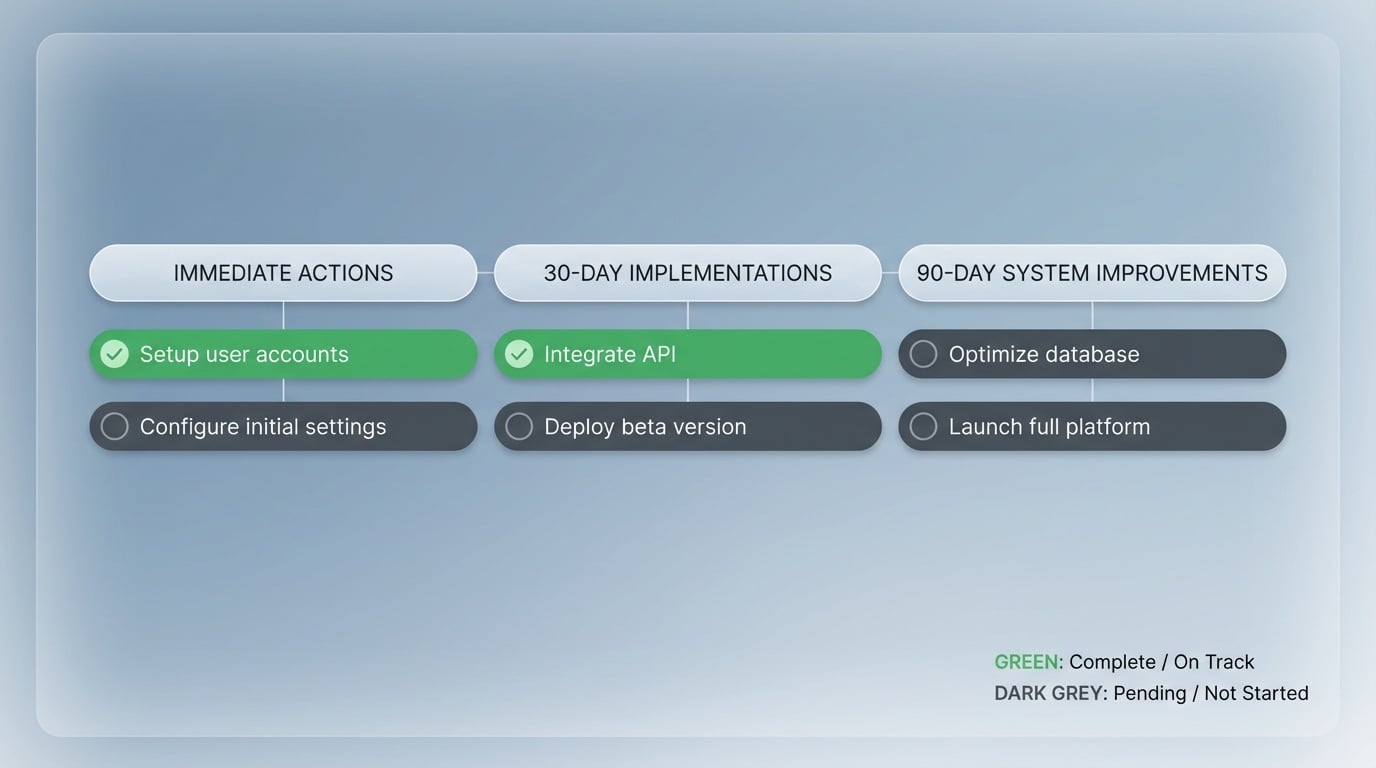
Here's a practical timeline for making real improvements.
This Week
Audit your AT modifier usage.
Pull a report of Medicare claims from the past 30 days. How many CMT claims went out without the AT modifier?
If the number isn't zero, you've found an immediate training need.
Review your EHR template.
Does the AT modifier auto-populate for Medicare patients? If not, update it today.
Check your filing queue.
Are any claims approaching payer deadlines? Prioritize these for immediate submission.
Next 30 Days
Create documentation standards.
Develop templates incorporating PART framework elements. Train all providers on minimum requirements.
Establish verification protocol.
Define when and how insurance verification occurs. Build annual re-verification into workflow.
Implement denial tracking.
Start categorizing denials by type and cause. Even a simple spreadsheet provides actionable data.
90-Day System Development
Build pre-submission review.
Create a checklist for claims review before submission. Assign responsibility for checking high-risk elements.
Develop appeal templates.
For common denial types, create reusable appeal language customizable with patient-specific details.
Measure and adjust.
Compare denial rates before and after implementation. Identify remaining problem areas.
The goal isn't perfection on day one.
It's consistent improvement over time, with each month bringing fewer errors and faster resolution.
Frequently Asked Questions
What are the most common chiropractic denial codes?
The denial codes we see most often include CO-4 (procedure code inconsistent with modifier), which typically appears when the AT modifier is missing. CO-11 indicates diagnosis doesn't support procedure—usually an ordering issue. CO-16 flags missing information. CO-50 denies services as non-covered. CO-197 denies for missing prior authorization. Understanding which codes appear most often in your denials reveals where to focus improvement efforts.
How do I correctly use the AT modifier for Medicare?
The AT modifier must be appended to every Medicare claim for CPT codes 98940, 98941, and 98942 when treatment is active/corrective care with expected functional improvement. Every CMT claim—not just some. Documentation must support active treatment: specific limitations, measurable goals, progress notes. When a patient reaches maximum benefit and transitions to maintenance, stop using AT. Switch to GA with a signed ABN. Using AT for maintenance creates audit exposure that can result in recoupment.
What is the average clean claim rate for a chiropractor?
Industry benchmarks suggest a clean claim rate should be 90% or higher. Many chiropractic practices operate between 65-85% due to documentation and modifier challenges unique to the specialty. Practices implementing systematic improvements can achieve 25-40% improvement. Maximizing insurance reimbursements requires tracking this metric monthly and addressing patterns dragging it down.
Why is my chiropractic AR report so high?
Elevated AR typically stems from claims stuck in denial loops, lack of systematic follow-up, inadequate documentation triggering payer requests, and failing to appeal winnable denials. Claims beyond 90 days become increasingly difficult to collect. Those beyond 120 days rarely pay. Weekly AR review with action items for each aging bucket prevents claims from becoming uncollectible.
How do I document medical necessity to avoid audits?
Use the PART framework: document Pain with location, intensity, and functional impact; Asymmetry with postural findings; Range of motion with degree measurements; Tissue tone with specific palpation findings. Include functional goals—"return to 8-hour work tolerance" rather than "reduce pain." Re-evaluate every 12 visits to document continued improvement or transition to maintenance. Notes should never be identical across visits.
Can billing software automatically fix coding errors?
Billing software catches missing modifiers, diagnosis-procedure mismatches, invalid combinations, and duplicates before submission. Eligibility verification confirms coverage in real time. However, software can't determine whether documentation supports medical necessity, select the best diagnosis from ambiguous presentations, or craft persuasive appeals. The most effective approach combines automated verification with expert human review.
What is the Revenue Guardian approach to error prevention?
The Revenue Guardian model treats billing as a protective system rather than administrative processing. Key elements: pre-submission review that catches errors before denial, systematic denial tracking that identifies patterns, timely appeals with clinical justification, ongoing provider training based on error analysis. Rather than reacting to denials, this approach prevents revenue leakage proactively. Every claim represents revenue earned through patient care—protecting it deserves the same attention as providing the care.
Should I use a generalist or specialist billing company for chiropractic?
Specialists understand chiropractic-specific requirements that generalists miss: AT modifier rules, subluxation documentation standards, Medicare billing for chiropractors with its limited scope, the active versus maintenance distinction, personal injury nuances. A specialist familiar with your EHR navigates software-specific workflows more efficiently. When evaluating partners, ask about chiropractic client volume, familiarity with your payer mix, and denial rate metrics.
Conclusion
Billing errors in 2026 carry higher stakes than they did even a year ago.
Medicare cuts. Expanded coding requirements. Increased payer scrutiny.
Every preventable denial represents revenue your practice can't afford to lose.
The seven error categories here—AT modifier failures, documentation gaps, coding issues, bundling mistakes, timely filing violations, verification gaps, and EOB mismanagement—account for the vast majority of chiropractic denials.
Each has specific, actionable fixes.
No new technology required. No massive workflow overhauls.
What they do require is systematic attention.
Building prevention into daily processes. Tracking patterns. Addressing root causes rather than individual claims.
That transforms billing from constant headache into reliable revenue protection.
The practices that thrive in this environment aren't the ones hoping claims go through.
They're the ones who've built systems to make sure they do.
If you're thinking "this all makes sense, but I don't have time to implement it," you're not alone.
Most clinic owners we work with felt the same way.
Then they realized how much revenue was slipping through billing errors.
That's why we offer a free discovery call. A chance to talk through your current situation and get clarity on what's working, what's not, and what your options are.
We'll help you understand:
- Where your claims might be getting stuck
- What's causing denials or delays
- Whether your AR is healthy or needs attention
- How your current process compares to best practices
- What a partnership with Bushido would actually look like
Book a Call — no pressure, no obligation, just a straightforward conversation about your billing.
Because every month you spend fighting preventable billing errors is another month of revenue slipping away.
And that's not why you became a chiropractor.
SCHEDULE YOUR FREE DISCOVERY SESSION TODAY.

© 2026 Bushido Billing. All Rights Reserved | Web Design by iTech Valet