

How to Track PI Case Progress Without Spending Hours on the Phone with Law Firms?
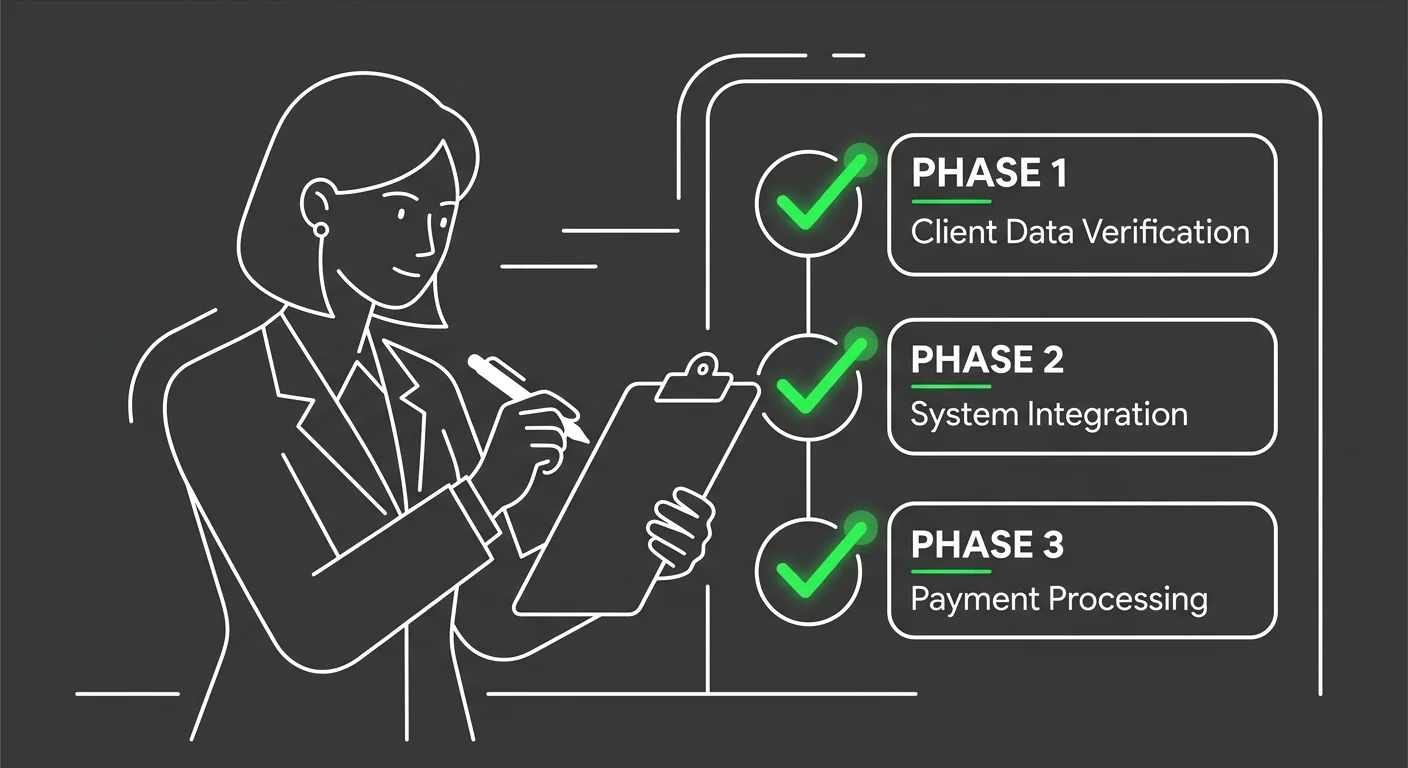
Track personal injury case progress by establishing a structured three-phase system that treats communication as a revenue protection function. Phase one: Case Entry and Initial Tracking Setup. Document every case submission with attorney contact protocols. Phase two: Active Monitoring and Communication Cadence. Schedule check-ins at 30, 60, and 90 days. Phase three: Escalation and Recovery Action. Initiate formal follow-up when cases age beyond negotiation windows. The goal isn’t to micromanage attorneys. The goal is to ensure your practice never loses sight of cases that can take anywhere from a few months to over a year to settle.
Most practices submit PI liens and wait passively for updates. That silence becomes a black hole where cases disappear. Poor communication is one of the most common complaints clients have about their lawyers. The same friction exists between healthcare providers and law firms. Law firms manage hundreds of cases simultaneously. Your single case isn’t their priority unless you make it one.
The solution isn’t more phone calls. The solution is a proactive tracking system that uses technology and documented workflows to automate status requests, log responses, and flag aged cases before they become unrecoverable. Many law firms now use client portals to share case updates, demand letters, and settlement timelines. If your attorney offers portal access, use it. If they don’t, establish a written communication protocol at case intake.
Proactive follow-up and clear communication protocols separate practices that recover PI revenue from practices that write it off. Organized and detailed medical billing supports the settlement, but only if the case stays visible long enough to reach settlement. The tracking system isn’t overhead. It’s the infrastructure that protects revenue already earned.
Why Most Providers Lose Revenue on PI Cases Without Knowing It
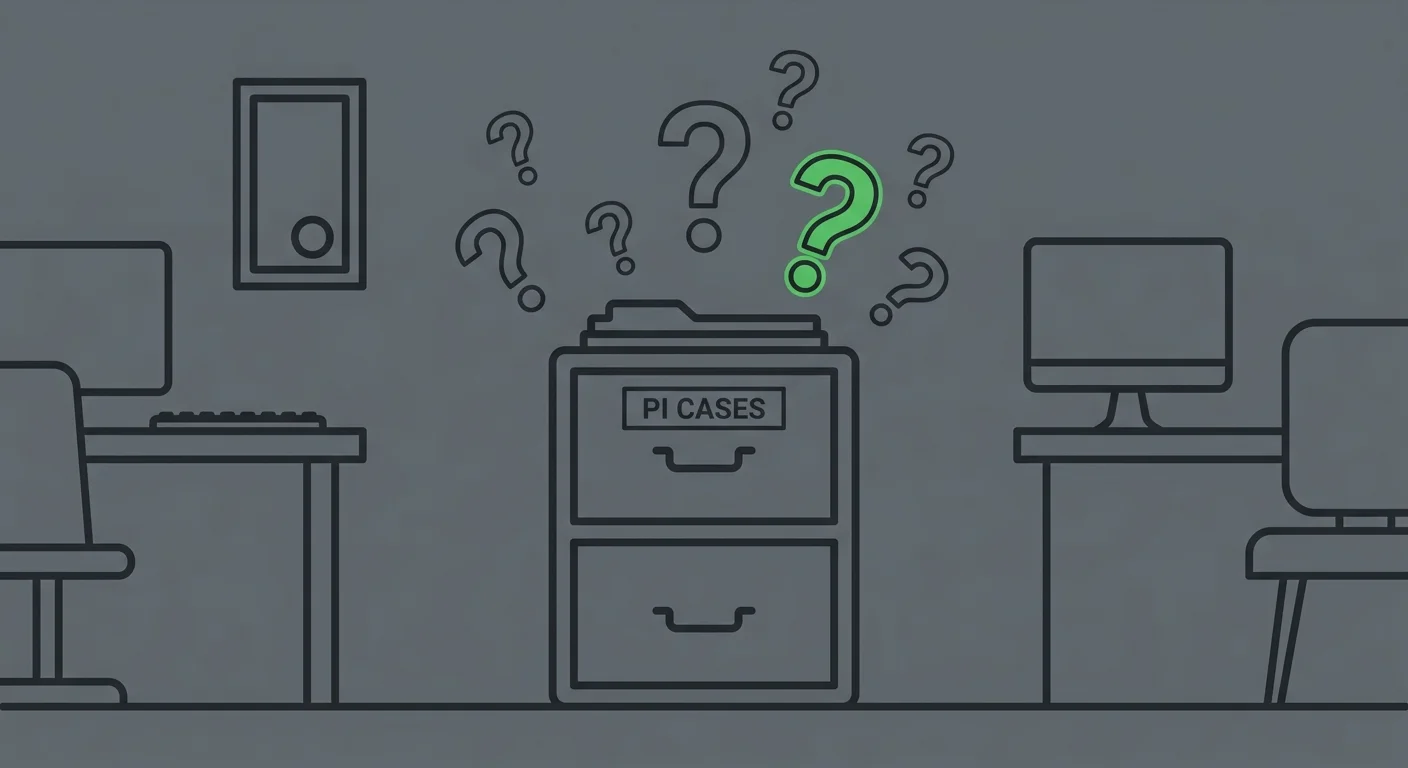
Here’s the thing: most practices don’t know they’ve lost revenue on a PI case until the case has already died.
The lien was filed correctly. The attorney confirmed receipt. Then silence. Six months pass. A year. No settlement notification. No demand letter update. No phone call. The case sits in your AR aging report, growing older, until someone finally picks up the phone and discovers the attorney settled the case months ago-without including your lien. Or the case was dropped. Or the client stopped responding and the firm closed the file.
You didn’t lose the case because your billing was wrong. You lost it because you had no system to track whether the case was moving, stalled, or abandoned. That’s the Black Hole Effect-cases submitted and then swallowed by silence, with no trace of what’s happening inside.
The Industry Default – Reactive Communication
Most practices operate on reactive communication. Submit the lien. Wait for the attorney to call when the case settles. If you don’t hear anything, assume everything’s fine.
Reactive tracking treats PI liens like insurance claims-submit it and move on. But PI cases aren’t claims. They’re negotiations that can take anywhere from a few months to over a year to settle. Multiple parties. Competing priorities. If your lien isn’t visible to the attorney during settlement negotiation, it doesn’t get paid. Waiting passively for a phone call means you find out the case settled only after your window to collect has already closed.
Why Law Firms Are Slow to Respond
Law firms juggle hundreds of open cases at any given time. Your single PI lien is one line item in one case file among dozens of active negotiations. Attorneys aren’t ignoring you-they’re triaging.
And poor communication is one of the most common complaints clients have about their lawyers. That same friction exists between healthcare providers and law firms. Attorneys don’t proactively update every lienholder on every case milestone because that would consume hours every week. They respond to the providers who ask. They prioritize the liens that show up in their inbox with documented balances and clear contact protocols.
The firms that communicate well do so because their clients demand it. The same principle applies here. If you’re not asking for updates, you’re signaling that your lien isn’t a priority.
The Real Problem – Passive Tracking Hides Complex Claim Abandonment
But the deeper problem isn’t slow attorneys. It’s that passive tracking hides the complex claims that need active management. Those are the exact claims most likely to be abandoned.
High-value liens with multiple treatment phases, disputed liability, or policy limit disputes require sustained communication between the provider and the attorney. These cases don’t settle quickly. They require documentation updates, supplemental billing, and coordination on settlement timing. If your tracking system is ‘wait for the phone to ring,’ these complex liens age silently. By the time you find out what happened, they’re past the point of recovery.
Practices that actively manage their PI liens and communication see faster payment and lower write-offs. The difference isn’t luck. It’s infrastructure. A proactive tracking system surfaces aged cases before they become unrecoverable, flags communication breakdowns before they cost you settlements, and ensures your liens stay visible during the exact window when attorneys are negotiating payment. That’s not administrative overhead. That’s maximizing personal injury (PI) lien recovery as a structural function.
| Communication Pattern | What It Looks Like | Revenue Impact |
|---|---|---|
| Submit and Forget | Lien filed at case intake. No follow-up system. Provider waits for attorney to initiate contact when case settles. | Cases settle without provider notification. Liens excluded from settlement distribution. Revenue written off as aged AR. |
| Sporadic Phone Tag | Provider calls attorney’s office every few months when they remember. Leaves voicemail. No documentation of outreach or responses. | Communication gaps create the illusion of progress. Cases stall without anyone noticing until they’re past recovery windows. |
| Reactive Email Only | Provider emails attorney only when case appears in aged AR report. No scheduled cadence. Requests are urgent and unstructured. | Attorneys deprioritize unorganized requests. High-value liens slip through settlement negotiations because provider contact is inconsistent. |
| Proactive Scheduled Check-Ins | Provider establishes documented communication protocol at case intake. Scheduled status requests at 30, 60, and 90 days. Responses logged in tracking system. | Cases stay visible throughout settlement timeline. Provider receives advance notice of settlement negotiations. Liens included in demand letters and final distribution. |
| Portal-Based Tracking with Escalation Protocol | Provider uses law firm’s client portal to monitor case milestones. Automated alerts flag cases aging beyond expected settlement windows. Written escalation protocol activates for non-responsive cases. | Complex liens receive sustained management. Communication breakdowns surface early. Revenue protected through every phase of negotiation. |
What a Proactive PI Case Tracking System Actually Looks Like
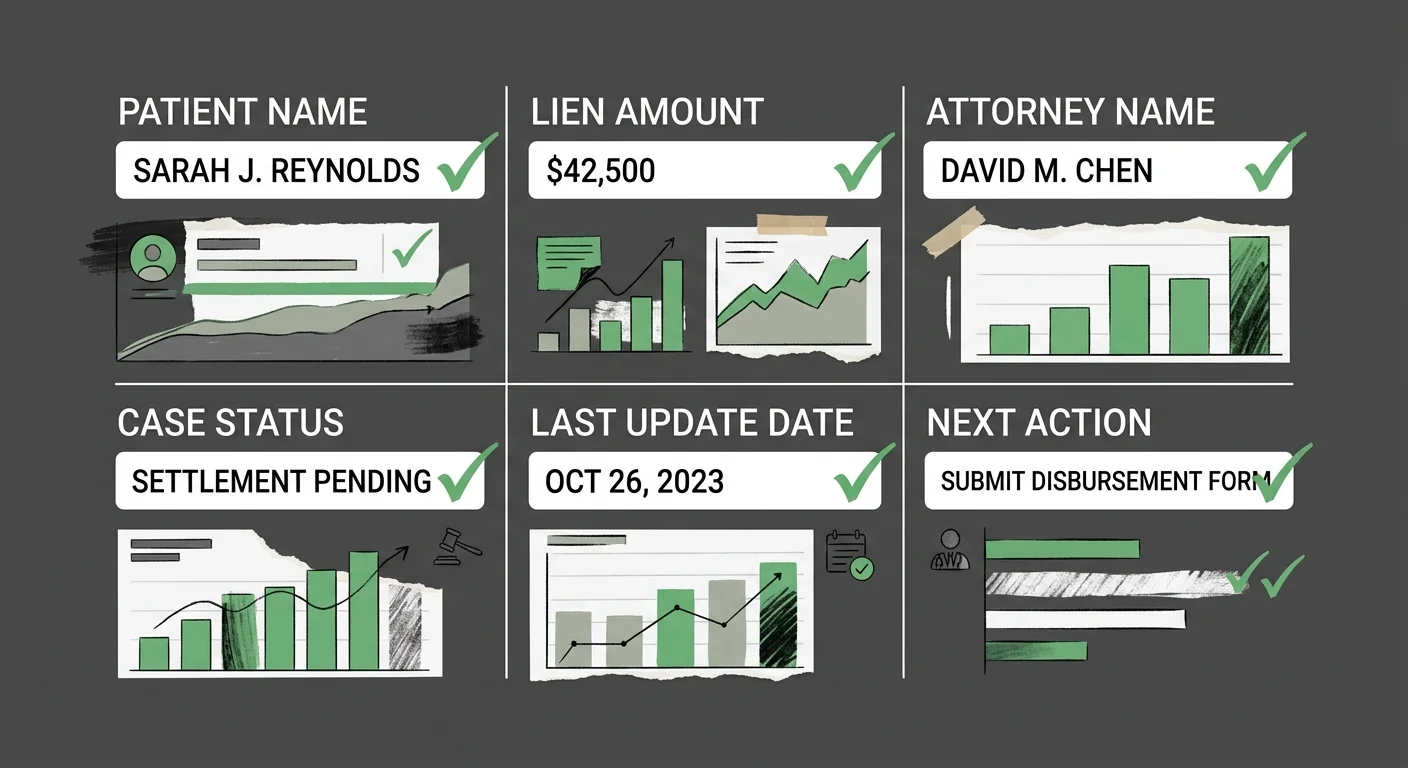
A proactive PI case tracking system isn’t a software purchase. It’s a documented workflow that answers three questions every time you look at a case: where is this case right now, when did you last hear from the attorney, and what happens next.
Three structural components make the system work.
First, a centralized tracking log that records every case submission with attorney contact information, submission date, and case status. Second, a communication cadence with defined check-in intervals tied to the key stages of a PI case. Third, an escalation protocol that triggers formal follow-up when a case ages beyond expected settlement windows without update.
Those three structural components turn passive submission into active revenue protection.
Most practices already track case submissions in their billing software. That’s not a tracking system-that’s a submission log. A tracking system captures communication history, flags aged cases automatically, and assigns accountability for follow-up. If your current system can’t answer ‘which PI cases have gone 90 days without an update,’ it’s not tracking anything.
Minimum Data Points You Must Track
At minimum, your tracking log must capture case ID or reference number, patient name, date of injury, attorney firm and contact person, date lien was filed, current case status, date of last communication, next scheduled follow-up date, outstanding balance, and any settlement or demand letter milestones.
These aren’t optional fields. They’re the infrastructure that prevents cases from aging invisibly.
Every data point does something. Case ID links your records to the attorney’s file. Date of injury establishes the statute of limitations clock. Attorney contact person stops you from calling the wrong department when you need an update. Date lien was filed anchors your priority position if multiple providers have liens. Current case status tells you whether the case is in active treatment, demand negotiation, litigation, or settlement.
Date of last communication flags cases that have gone silent.
Organized and detailed medical billing is critical for substantiating damages in a PI settlement. But only if the attorney knows your current balance and can cite your records during demand.
If your tracking log doesn’t include an updated balance field, you’re creating friction every time the attorney asks for documentation.
They’ll stop asking.
Frequency Standards – How Often Should You Check Status?
Check in at 30, 60, and 90 days post-submission, then every 60 days thereafter until settlement or case closure.
This cadence aligns with the natural rhythm of PI cases, which can take anywhere from a few months to over a year to settle. Early check-ins confirm the lien was received and the case is active. Mid-stage check-ins surface demand letter activity or settlement negotiation windows.
Late-stage check-ins catch cases that have stalled or been closed without notification.
Frequency isn’t a fixed rule. Complex cases with disputed liability or policy limit issues need more frequent communication. Simple soft-tissue cases with clear liability settle faster and need less oversight. The goal is visibility-not micromanagement.
If the attorney provides proactive updates through a client portal or regular status emails, you adjust the cadence. If communication is sporadic or nonexistent, you escalate.
Communication Protocol – Who Contacts Whom, and When
The communication protocol starts at case intake, before you ever file a chiropractic lien. You establish with the attorney’s office who your primary contact is for billing questions, what their preferred communication method is, and what information they need from you at each milestone.
This isn’t a courtesy-it’s a contract. You’re documenting the expectations on both sides so that when a case ages 90 days without update, you have a clear escalation path.
Your initial contact should be the paralegal or case manager handling medical billing and liens. They’re the ones updating case files and coordinating settlement distribution. If that contact doesn’t respond after two documented attempts, you escalate to the supervising attorney or firm administrator.
The escalation isn’t hostile-it’s procedural. You’re following the protocol you established at intake.
The system works because it removes ambiguity. The attorney knows when to expect your check-in. You know who to contact and what information to request. Neither side is surprised when a 90-day follow-up happens, because the cadence was documented at the start. That’s the infrastructure that turns passive submission into active revenue protection.
| Tracking Data Point | Why It Matters | Update Frequency |
|---|---|---|
| Case ID or reference number | Links your records to the attorney’s file system, ensuring you’re both referencing the same case when you communicate | At case intake; verify accuracy at 30-day check-in |
| Attorney contact person (name and role) | Prevents wasted time calling the wrong department; paralegals handle liens, not intake coordinators | At case intake; update if contact changes |
| Date lien was filed | Anchors your priority position if multiple providers have liens on the same settlement | At case intake; static field |
| Current case status (active treatment, demand, litigation, settlement) | Tells you whether the case is moving or stalled; flags cases stuck in litigation before they age past recovery | Every communication touchpoint |
| Date of last communication | Flags cases that have gone silent; triggers escalation protocol when gaps exceed your defined cadence | Every time you speak with the attorney’s office |
| Outstanding balance (current total) | Attorneys cite your balance during demand negotiation; outdated figures create friction and delay settlement distribution | Monthly, or whenever treatment resumes |
| Next scheduled follow-up date | Assigns accountability for the next action; prevents cases from aging invisibly between check-ins | Every communication touchpoint |
| Settlement or demand letter milestones | Signals the case is entering the payment negotiation window; your lien must be visible to the attorney at this stage | As soon as the attorney notifies you |
Tools and Methods That Work Without Burning Hours

The system only works if you have tools that make it repeatable.
Proactive tracking dies the moment it requires manual effort every time.
You need infrastructure that surfaces aged cases automatically, documents every communication attempt, and removes the mental load of remembering which attorney to call and when. Tools that execute the cadence for you-not tools that add more administrative friction.
Here are the three methods that work without consuming hours.
Client Portals and Case Management Software
Most law firms now use modern case management software with client portal features.
The 2021 Legal Trends Report found 81% of law firms were using client portals to share information and documents with clients. If your attorney offers portal access, this is the fastest way to kill phone tag entirely. You log in, check the case status, review recent activity, and see uploaded documents-no callback required.
The portal logs every status change, every document upload, and every case note the attorney adds.
You get a timestamped audit trail of case activity visible at any time. If the case hasn’t moved in 90 days, you see it immediately. If the attorney updated the demand letter last week, you know settlement negotiation is active.
This visibility turns reactive communication into self-service monitoring.
Not every firm offers portal access. And some portals are built for clients-not lienholders.
If the attorney won’t grant you access or the portal doesn’t display case milestones relevant to billing, you move to the next method. But if portal access is available, it’s the first tool you deploy.
It kills the Black Hole Effect completely because you can see inside the case file whenever you need to.
Templated Status Request Emails
If portal access isn’t an option, templated status request emails are the next best infrastructure.
A templated email removes the friction of drafting a new message every time you need an update. You store three or four templates-one for initial 30-day check-in, one for 60-90 day follow-up, one for aged cases past 120 days, and one for formal escalation.
Each template includes the case reference number, patient name, date lien was filed, current outstanding balance, and a specific question tied to the case stage.
The template does the work for you.
You fill in the case-specific fields, hit send, and log the communication attempt in your tracking system. The attorney receives a professional, concise request that contains all the information they need to respond quickly. No phone calls. No voicemail chains. No waiting three days for a callback that never comes.
The email creates a documented paper trail. And if the attorney doesn’t respond within seven business days, you escalate using your next template. That’s the infrastructure that makes proactive tracking sustainable without burning hours every week.
Internal Tracking Spreadsheet or Dashboard
If you don’t have billing software that tracks PI cases separately, or if your software doesn’t flag aged cases automatically, you build an internal tracking spreadsheet or dashboard.
This isn’t a substitute for a real case management system. It’s a stopgap that ensures nothing falls through the cracks while you evaluate better tools.
The spreadsheet captures every field listed earlier-case ID, patient name, attorney contact, submission date, last communication date, next follow-up date, outstanding balance.
You add a conditional formatting rule that highlights any case where the next follow-up date has passed. Every Monday morning, you open the sheet, review the highlighted rows, and execute the templated email protocol for every aged case.
That’s it. The system tells you what needs attention. You execute the communication. You log the attempt. You move to the next case.
This method works because it removes decision fatigue.
You’re not trying to remember which cases are overdue or guessing when to follow up. The spreadsheet flags them. The template provides the language. You execute.
The system runs itself as long as you commit to the Monday morning review cadence. And once you see how much revenue this surfaces-cases that were aging silently, cases where the attorney closed the file without notifying you, cases where a single follow-up email triggered immediate settlement-you’ll understand why passive tracking was costing you money every month.
| Tool Type | Time Investment | Best For |
|---|---|---|
| Law Firm Client Portal | Zero weekly time after initial setup | Firms that offer portal access and update case files digitally |
| Templated Status Request Emails | Under 10 minutes per case per check-in | Firms without portal access or when portal visibility is limited |
| Internal Tracking Spreadsheet with Conditional Formatting | One hour per week for Monday morning review and batch communication | Practices without dedicated PI case management software or billing systems that lack automated aging flags |
| Dedicated Billing Partner with PI Tracking Infrastructure | Zero internal time-tracking and follow-up handled externally | Practices with significant PI volume or those recovering from aged AR backlog |
What Your Billing Partner Should Be Tracking on Your Behalf
If you’re outsourcing PI billing, this tracking work shouldn’t land on your staff. That’s the whole point of partnering with a DC-founded embedded billing partner.
But most billing companies treat PI liens as a submission task. They file the lien, log it in their system, and move on.
They don’t track case progress. They don’t follow up with attorneys. They don’t escalate stalled cases.
So practices still experience the Black Hole Effect even after outsourcing. The billing company submitted the lien. Nobody’s managing the revenue recovery.
Here’s what a functional billing partner tracks on your behalf. And if your current partner isn’t doing this, you’re paying for submission – not recovery.
PI Case Tracking as Part of Weekly Updates
A billing partner executing proactive PI tracking gives you a weekly update that includes every active PI case, current status, and next action. Not a spreadsheet dump. A narrative summary that tells you which cases moved forward, which cases need escalation, and which cases closed.
You’re not asking for information. You’re receiving it on a predictable cadence.
That’s the structural difference between a vendor and a partner.
The weekly update should surface aged cases automatically. Any case that hasn’t received an attorney response in 60 days gets flagged. Any case past 90 days without status change gets escalated.
The partner documents every communication attempt. Who was contacted. When. What was requested. What response was received.
That documentation protects you if a case is later disputed or if the attorney claims they never received follow-up. Practices that actively manage their PI liens and communication see faster payment and lower write-offs. The billing partner is the one executing that active management so your staff doesn’t have to.
Escalation Triggers for Stalled Cases
Escalation isn’t optional. It’s a defined protocol triggered by specific aging thresholds.
A case with no attorney response after two documented communication attempts over 30 days gets escalated to the supervising attorney or firm administrator.
A case that shows no status change for 90 days moves into formal escalation. Certified letter. Documented demand for update. Copy sent to the practice owner.
A case that reaches 120 days with no settlement activity or closure notification triggers a recovery review to determine whether the attorney relationship is still viable or whether the lien needs to be pursued through another channel.
The billing partner executing these escalations isn’t burning your attorney relationships. They’re protecting your revenue.
Attorneys who are actively working a case respond to well-documented follow-up. Attorneys who aren’t working the case were never going to pay your lien anyway.
The escalation protocol surfaces that reality before the case ages past the point of recovery.
Documentation of Attorney Communication
Every communication with an attorney should be logged. Date, time, method, contact person, content of the request, and response received.
That log becomes your audit trail if a case is later disputed, if the attorney claims the lien was never filed, or if settlement distribution excludes your practice without explanation.
A billing partner providing full-service insurance billing maintains that log as part of their standard workflow. You shouldn’t have to ask for it. It should be visible in your weekly update or accessible through a shared dashboard.
If your billing partner can’t produce a communication log for any given PI case on demand, they’re not tracking. They’re hoping.
And hope isn’t a revenue recovery strategy.
Frequently Asked Questions
You see the tracking gap now.
You know passive waiting doesn’t work. You understand the Black Hole Effect is eating your revenue. But you don’t know what a functional tracking system actually looks like-what to ask for, how often to ask, which tools exist, and what your billing partner should already handle.
These are the questions providers ask once they stop hoping law firms will call them back. The answers below cut the ambiguity so you can start tracking today.
What specific information should I request from a law firm in a PI case update?
Request the current case stage, projected settlement timeline, and outstanding documentation needs.
Every update should answer three questions. Where is the case right now-demand sent, negotiations active, litigation filed, mediation scheduled? When does the attorney expect the case to resolve, even if it’s a range? What’s missing from your lien documentation that could delay payment at settlement?
Don’t ask for a vague status update. That gets you vague answers.
Ask specific questions tied to the case stage. That forces the attorney to give you actionable information or admit they haven’t worked the case yet. Either answer tells you what you need to know.
How often should I realistically expect updates from an attorney on a PI case?
Request updates every 60 days for active cases and every 30 days for aged cases.
A typical personal injury claim can take anywhere from a few months to over a year to settle. Asking for weekly updates irritates the attorney and wastes your time. Waiting six months between check-ins lets cases die silently.
60 days is the cadence that balances persistence with respect.
If the case has aged past 90 days with no movement, switch to 30-day follow-up. That signals you’re tracking actively without becoming a pest. Attorneys working the case will respond. Attorneys who aren’t will stop replying-and that tells you the case needs escalation.
Can I use a client portal or specific software to track PI case status instead of calling?
Yes. And you should request portal access from every law firm you work with regularly.
According to the 2021 Legal Trends Report, 81% of law firms were using client portals to share information and documents with clients. Most portals let you view case documents, status updates, and settlement timelines without calling. That’s the infrastructure that kills phone tag.
But portals don’t remove the need for proactive follow-up.
Many attorneys upload documents but never update case status fields. You still need templated email check-ins at defined intervals. The portal is visibility. The email protocol is enforcement. Use both.
What are the key milestones in a PI case that signal it’s moving toward settlement?
Demand package sent, negotiations active, settlement offer received, and final distribution pending.
These four milestones tell you the case is moving toward payment. If the attorney has sent the demand package, the insurance carrier is reviewing the claim. If negotiations are active, both sides are exchanging offers. If a settlement offer was received, the case is close to resolution. If final distribution is pending, your lien payment is coming.
Organized and detailed medical billing is necessary for substantiating damages in a PI settlement. If the attorney requests additional documentation at any of these stages, provide it immediately. Delayed documentation stalls settlement and pushes your payment further out.
What reports should my billing partner provide to show PI cases are being tracked effectively?
A weekly status report showing every active case, last communication date, and next action.
The report should list every PI case in your pipeline with its current status. Any case past 60 days with no attorney response should be flagged. Any case past 90 days should show documented escalation attempts. Any case that closed or settled should show payment received or explain why your lien was excluded.
If your billing partner can’t produce this report on demand, they’re not tracking.
They’re submitting liens and hoping. And hope doesn’t recover revenue. You’re paying for proactive management-demand proof it’s happening.
The Bottom Line
The Black Hole Effect isn’t a law firm problem.
It’s a tracking system problem.
When you submit a PI lien and wait passively for the attorney to call you with news, you’ve built a revenue recovery model that depends on someone else’s communication habits.
That’s not a system. That’s hope.
Hope doesn’t protect revenue.
Proactive tracking reveals what’s actually happening inside that black hole. It tells you which cases are moving toward settlement, which cases have stalled, and which cases were abandoned months ago without anyone telling you.
That visibility converts PI liens from a passive submission task into an active revenue protection function.
The three-phase framework – Case Entry and Initial Tracking Setup, Active Monitoring and Communication Cadence, Escalation and Recovery Action – doesn’t require expensive software or additional staff.
It requires treating case tracking as a revenue cycle function, not an administrative courtesy.
You log the case. You establish the follow-up cadence. You execute templated communication at defined intervals. You escalate when the case ages past your threshold. You document every attempt.
That’s the system.
Once it’s running, it surfaces aged revenue that would have otherwise disappeared into the black hole completely.
If you’re managing this internally, the tools exist to make it sustainable without burning hours every week.
If you’re outsourcing, your billing partner should be executing this tracking work as a standard feature-not as an optional add-on you have to request.
The question isn’t whether you need proactive PI case tracking. You already know you do.
The question is whether you’re going to build the infrastructure that makes it work-or keep feeding revenue into The Black Hole Effect: cases submitted and then swallowed by silence, with no trace of whether they’re moving, stalled, or abandoned.
A practice assessment shows you exactly which PI cases are stuck in the Black Hole Effect right now. Which are moving. Which stalled six months ago. Which closed without anyone telling you.
You’ll see whether your tracking gap is a workflow problem you can fix internally or a billing partner problem that requires a different partner.
Book a Call to see what’s actually happening with your PI revenue. Every week you wait is another week aged revenue slips past recovery.
© . All Rights Reserved | Web Design by iTech Valet