

How Billing Failures Drain Chiropractic Clinical Focus
Chiropractic claim denials pull clinical hours into rework. See why billing failures happen and how DC-led review closes the gap.
Billing failures drain chiropractic clinical focus by forcing doctors and staff into a reactive cycle of correcting denied claims instead of documenting patient care. Each denial requires investigation, resubmission, and appeal work that pulls attention away from treatment planning and patient interaction. This cycle begins when clinical documentation fails to communicate medical necessity in the specific language a payer requires, which triggers a rejection or denial rather than a smooth reimbursement. Administrative staff then spend hours tracing the cause, correcting the claim, and resubmitting it, time that would otherwise go toward scheduling, patient communication, or clinical support. The doctor of chiropractic is often pulled into this process directly, since many denials trace back to documentation language only the treating clinician can clarify or amend. Every hour spent on this correction cycle is an hour not spent refining care plans, reviewing patient progress, or engaging with the clinical work that drew the doctor to the profession in the first place. The drain compounds across a practice when denials recur for the same underlying documentation gaps, creating an ongoing tax on clinical bandwidth rather than a one-time interruption. Practices that treat billing as a purely administrative afterthought tend to experience this cycle more often, because the documentation feeding the claim was never built with payer requirements in mind. Reversing the drain requires aligning clinical documentation with payer language before a claim is ever submitted, rather than repairing the damage after a denial arrives. This shifts billing from a reactive correction process into a proactive function that protects clinical time from the outset.
Where Chiropractic Claims Actually Break Down

Denial rates set the scale before any mechanism explains why, and chiropractic claims fail for reasons a generalist review process never looks for. The gap opens before anyone examines a single modifier or note.
That gap follows a pattern, and the pattern has an explanation, laid out in a breakdown of how generalist billing agencies handle chiropractic claims. Generalist review confirms a field got filled in. It was never built to check whether the clinical story behind that field survived the trip.
The Modifier That Decides Whether Care Counts as Maintenance
Chiropractic claims carry a modifier that tells Medicare whether a visit represents active treatment or maintenance care. The AT modifier is that field, and its presence or absence decides the claim's fate before anyone reads the clinical notes.
The rule leaves no room for context. CMS reports claims for chiropractic services that lack the AT modifier can be treated as maintenance therapy and denied. So a chart documenting real functional gains still lands as maintenance the moment that modifier field sits empty, because the payer's system never reaches the story behind it.
How a Missing Modifier Gets Read as Maintenance Care
Modifier logic is mechanical, and mechanical systems do not weigh clinical judgment. A missing AT modifier defaults a claim to maintenance therapy regardless of what the visit note actually documents, and understanding why generalist review misses that pattern is part of what separates a reactive biller from a proactive one, a distinction covered in What Is the Difference Between a DC-Led Billing.
This is not a rare edge case sitting at the margins of chiropractic billing. the Medicare documentation checklist for chiropractors reports a 2024 Comprehensive Error Rate Testing review found errors in 33.6% of chiropractic claims. Modifier logic is a recurring driver of that error rate, which means the single-field failure described above repeats across a meaningful share of submitted claims.
Why Generalist Claim Review Misses the Clinical Narrative
A missing modifier? Easy to catch. The clinical story that modifier was supposed to stand in for is the part nobody looks for.
Generalist claim review checks that the fields got filled. It has no way to check whether those fields match what actually happened in the treatment room.
| Review Approach | What It Checks | What It Misses |
|---|---|---|
| Generalist Data-Entry Review | Field completion, code-to-diagnosis matching, modifier presence, formatting accuracy | Whether the clinical narrative actually documents medical necessity behind the code |
| Software-Driven Claim Scrubbing | Known error patterns, missing fields, payer-specific formatting rules flagged before submission | Whether the documented functional improvement matches what the payer's language requires |
| DC-Led Billing Review | Whether the clinical notes translate patient progress into payer-required language before submission | Nothing structural is missed here, because the review starts with the clinical case itself |
Why Data-Entry Review Treats a Denial as a Typo Instead of a Story
Data-entry review treats every denial the same way: as a typo to correct and resubmit. Fix the field, refile the claim, move to the next one in the queue.
That approach never asks why the field was wrong in the first place. Region-specific functional gains often exist in the notes but never make it into payer-recognized language, which is exactly the gap How to Document Region-Specific Subluxation and Functional Improvement for Clean Claims is built to close.
What a Denial Actually Costs Once Staff Time Enters the Equation
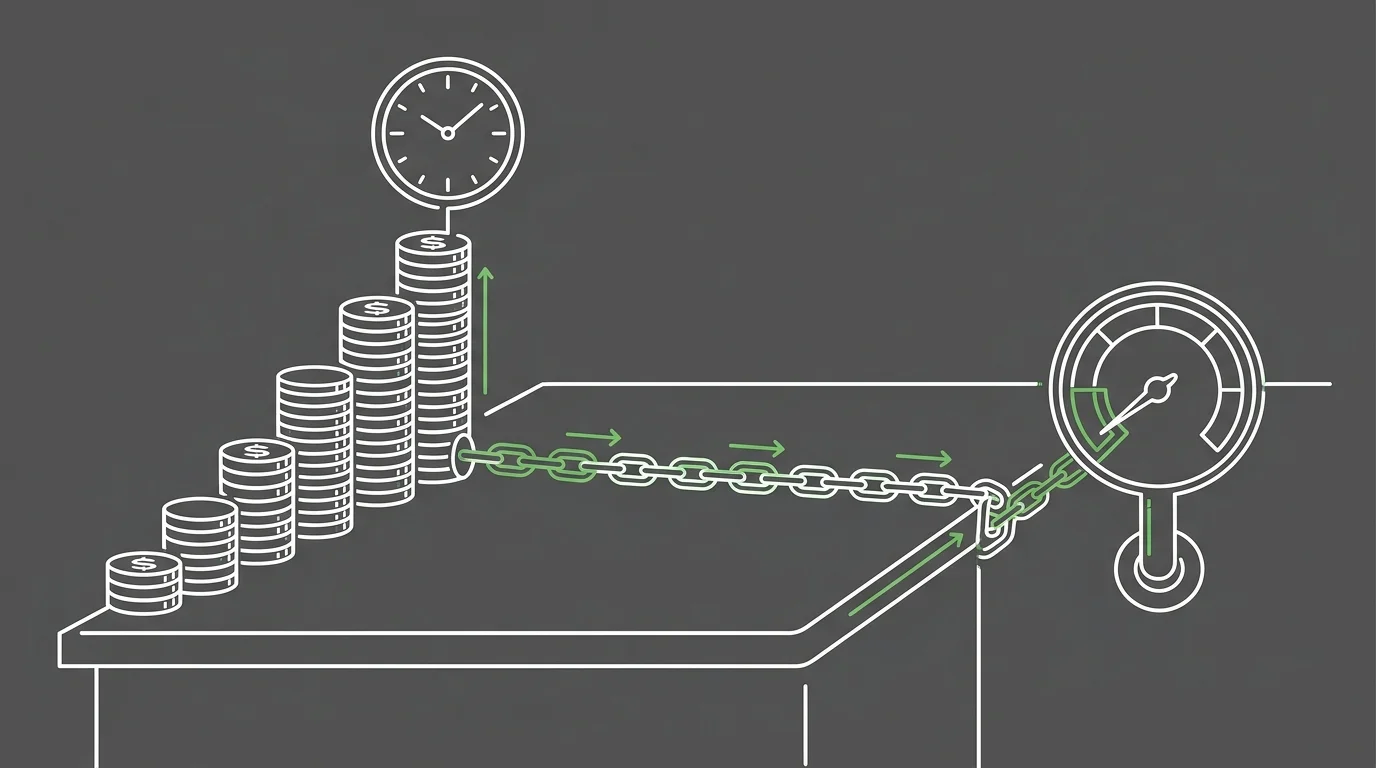
Rework has a real price tag once a claim gets denied. The cost to rework a denied claim is estimated at up to $118 per claim, and that figure covers investigation, correction, and resubmission alone. Research published through the Physician Leadership Journal found the cost to rework a denied claim is estimated at up to $118 per claim — a finding from an industry survey. That number comes from vendor survey data, not a controlled study, but it points at a cost most practices never isolate on their own books.
Now multiply that per-claim figure across a modifier gap that keeps coming back. The rework line stops reading like a one-time expense and starts reading like a quiet, ongoing drain on staff hours and clinical bandwidth alike.
| Cost Factor | What It Represents | Source Basis |
|---|---|---|
| Per-Claim Rework Cost | The direct cost of investigating, correcting, and resubmitting a single denied claim | Cost to rework a denied claim estimated at up to $118 per claim, from industry vendor survey data |
| Clinic Cash Flow Disruption | The downstream effect of delayed reimbursement on a practice's available operating funds | Delayed insurance claim payments disrupted clinic cash flow in a reported private clinic case |
| Staff Salary Timing | The effect delayed reimbursement has on when staff wages can be paid out | Delayed insurance claim payments delayed staff salary payments in a reported private clinic case |
The Chain Reaction From Rework Hours to Delayed Reimbursement
Every hour staff spend on rework is an hour the claim sits unpaid, and that delay never stays contained to the billing desk. This published analysis reports delayed insurance claim payments can disrupt clinic cash flow, delay staff salary payments, constrain drug availability, and negatively affect service quality — a single reported case. Delayed reimbursement ripples into clinic cash flow, into when staff get paid, even into the resources a practice has on hand for patient care.
For a fuller picture of how that reimbursement work gets structured before it ever reaches this point, see Billing Services. The same attention a denial demands after the fact is attention a proactive review captures before the claim ever leaves the building. And that protects the clinical bandwidth this entire cycle keeps siphoning.
How Denial Cycles Move From the Billing Desk to the Adjustment Room
Cash flow disruption doesn't stop at the bank account. It moves straight into the people at the front desk and the clinicians in the rooms behind it.
For a lot of chiropractors, the administrative side already feels like a tax on patient care. And a denial isn't just a payment that lands late. It's an investigation that pulls the whole team off the work they came to do.
What the Research Shows About Administrative Load and Burnout
Administrative load does not just cost time. It contributes to burnout, and the research on that link is specific rather than anecdotal. Research published through PubMed Central found job strain, overcommitment, and low social support together explained 32.6% of the variance in burnout across five different medical professions in a hospital.
That variance was measured across five different medical professions inside one regional hospital, not a single chiropractic office. A denial cycle running underneath a practice adds exactly that kind of strain, quietly, week after week, drawing from the same finite tank of clinical focus this entire cycle keeps siphoning.
Building a Documentation Process That Speaks the Payer's Language

Reversing the drain starts at the first visit note, with a documentation process built around the payer's language from the very beginning. Clinical focus is a chiropractor's most valuable and finite resource. A process that protects it has to prevent denials, not react to them.
| Claim Stage | Documentation Task | Why It Matters |
|---|---|---|
| Initial Visit Note | Record functional status region by region, using language tied to the modifiers the claim will eventually carry. | This is where medical necessity is either built into the chart or left out of it entirely, before any code gets attached. |
| Progress Documentation | Translate clinical improvement into terms a payer's system scans for, not just terms a colleague would recognize. | A payer never sees the treatment. It only sees whether the notes describe active care in the language its review process expects. |
| Coding and Modifier Assignment | Match the documented clinical narrative to the correct modifier before the claim leaves the building. | A modifier summarizes the story the notes already told. If the story was never built to support it, the modifier cannot fix that gap after the fact. |
| Pre-Submission Review | Confirm the documentation, coding, and modifier logic all point to the same clinical conclusion. | Catching a mismatch here protects clinical bandwidth that a denial would otherwise pull away from patient care. |
| Submission | Send the claim only once every prior stage confirms alignment between the chart and the payer's requirements. | This is the point where a proactive process stops the reactive cycle from ever starting. |
Where Medical Necessity Gets Written Into the Chart
Medical necessity has to land in the chart in terms the payer's system recognizes, not just the shorthand a clinician would use with a colleague. That means functional change, documented region by region, tied to the exact modifiers and language the claim will carry forward.
Sequencing a Claim So Nothing Gets Left for a Denial to Find
Revenue cycle management in chiropractic care is the whole chain of administrative and clinical work required to capture patient service revenue. Sequence documentation, coding, and submission in that order, before the claim ever leaves the building, and you close the gaps a denial would find later.
Frequently Asked Questions
A few mechanical questions tend to surface once the failure pattern above is clear. Here are the specifics researchers and practice owners ask most.
What are the most common documentation errors that lead to chiropractic claim denials?
Missing or mismatched modifiers, thin functional documentation, and notes that describe treatment without tying it to payer-recognized medical necessity language. Each one looks minor on its own. Together they drive most of a practice's denial volume.
How much revenue do chiropractic practices typically lose to billing errors and denials?
The figures cited earlier in this article, on denial rates and rework costs, describe the scale of the problem without predicting any single practice's number. Revenue lost varies by claim volume, payer mix, and how consistently documentation aligns with payer language.
What is the difference between a claim rejection and a claim denial?
A rejection means the claim never reached the payer's adjudication system, usually a formatting or data error caught before review. A denial means the payer looked at the claim and refused to pay, often on medical necessity or modifier grounds.
What does the AT modifier communicate to a payer reviewing a chiropractic claim?
It tells the payer's system whether the visit is active treatment or maintenance care. That single field decides the claim's fate before a human reviewer reads a word of the notes. Leave it off and the claim defaults to maintenance therapy, no matter what the chart says.
How does the Comprehensive Error Rate Testing program evaluate chiropractic claims?
The program audits a sample of submitted claims against documentation and coding requirements to measure improper payment rates across Medicare. Its findings surface the recurring error patterns, including the modifier and documentation gaps discussed above.
What steps happen between a chiropractic visit and a submitted claim?
A visit generates clinical notes, those notes get translated into codes and modifiers, and those form the claim sent to the payer. Every handoff is a point where clinical intent can fail to survive the translation into billing language.
What This Means
Clinical focus is finite. Every denial, every rework cycle, every modifier chase draws directly from that same limited tank.
Billing built as an afterthought keeps that tank leaking. Build it as clinical communication instead — documented in payer language from the first visit note — and the leak closes before a claim ever moves.
That is the real choice underneath every denial statistic in this article. Treat billing as a proactive, DC-led function and clinical attention stays where it belongs, with patients. If a practice's documentation is still speaking a language payers don't recognize, book a call with Bushido Billing to find out where the translation is breaking down.