

Training Front-Desk Staff on Medicare Active Care Billing
Learn why Medicare chiropractic billing hinges on front-desk accuracy: AT modifiers, active care documentation, and the maintenance therapy distinction.
Training front-desk staff on Medicare active care billing means teaching the team to recognize, document, and flag the specific criteria Medicare uses to distinguish covered active treatment from non-covered maintenance therapy. Medicare only reimburses chiropractic manual manipulation when the patient's condition is still improving and the care is corrective rather than supportive. Front-desk staff do not make clinical determinations, but they do control the intake questions, check-in notes, and scheduling patterns that either support or contradict the provider's documentation of active treatment. Active treatment, also called corrective care, refers to services delivered with the expectation of functional improvement in a patient's condition. Maintenance therapy, by contrast, is care intended to preserve a current status or prevent regression once improvement has plateaued, and Medicare does not cover it. The Active Treatment modifier, known as the AT modifier, must be applied correctly to claims for active treatment, and its use or omission directly affects whether a claim is paid or denied. Staff trained on these rules know which patient-reported phrases at check-in signal a shift from active to maintenance status, and they understand why that distinction matters before the claim ever reaches a biller. This training also covers medical necessity documentation standards, since Medicare coverage depends on evidence of measurable functional change over time, not simply on the presence of a diagnosis. Without this specialty knowledge, front-desk staff can inadvertently create documentation gaps that generalist billing processes cannot correct after the fact.
What Counts as Active Treatment Under Medicare's Chiropractic Rules
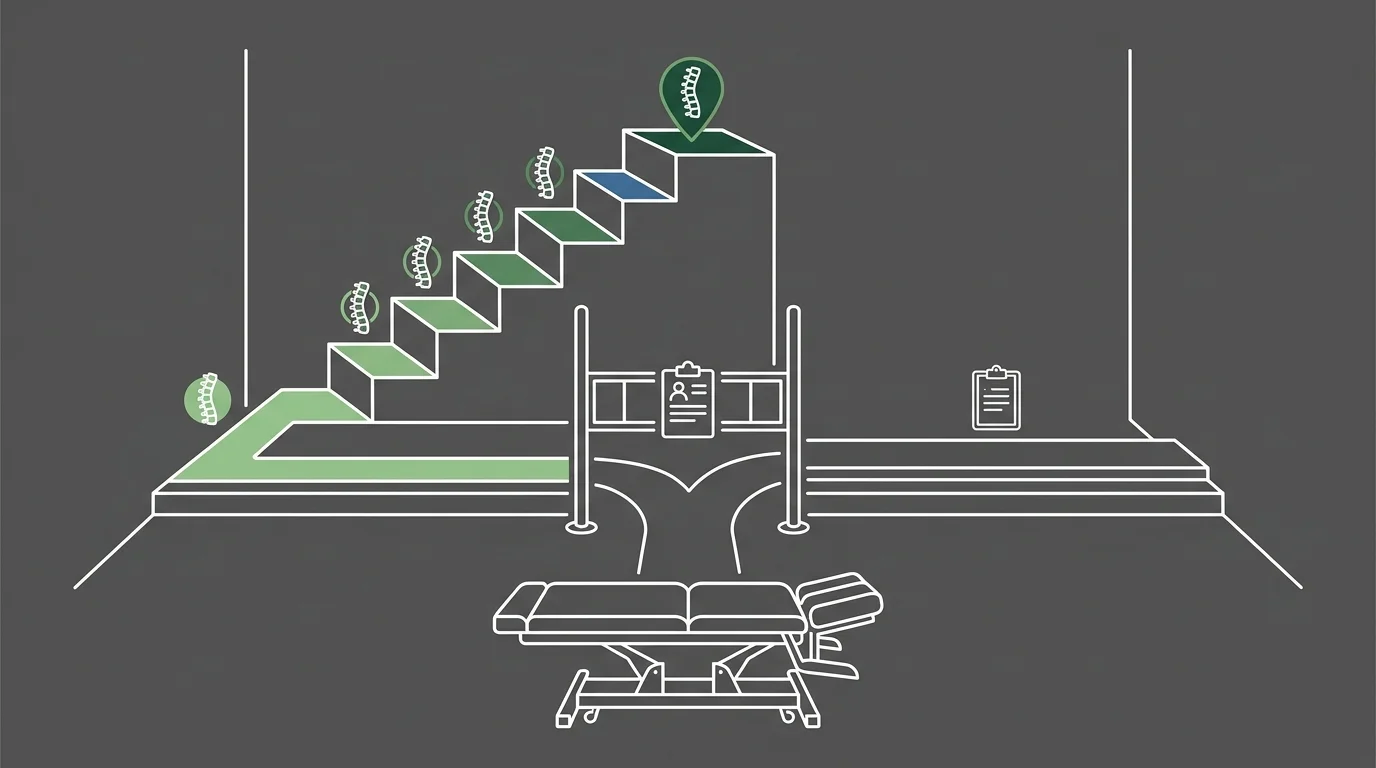
Medicare draws exactly one line here, and everything the front desk does traces back to it. Active treatment, also called corrective care, means services delivered with the expectation of functional improvement.
And that line is where most of the confusion lives, because the active versus maintenance call is easy to get wrong in chiropractic billing. It's also the exact spot where the front-desk checkpoint either catches a problem or passes it downstream for a reviewer to find later.
Active Treatment Versus Maintenance Therapy
Here's the rule in plain terms: once care turns supportive instead of corrective, it's maintenance therapy. And Medicare doesn't cover maintenance therapy.
As CMS explains, Medicare covers care as long as the patient is improving. That single standard decides every claim outcome downstream. A front desk that can't recognize the shift from active to supportive care isn't filing paperwork wrong; it's feeding a biller a claim that was never billable to begin with.
The Functional Improvement Standard Medicare Applies
Functional improvement is not a feeling, it is a documented change. Medicare coverage depends on evidence of measurable progress over time, not on a diagnosis sitting on file.
So staff who understand that standard can hear the check-in phrases that signal a patient has plateaued. For the full rule set, the complete guide to billing active treatment under Medicare lays out how each piece fits together.
Where That Definition Gets Lost at the Front Desk
A correct definition on paper does not survive an untrained front desk. The breakdown happens in daily intake conversations, long before a biller ever sees the claim.
So the front desk is the first checkpoint against costly Medicare denials. A patient says they feel better, staff log it casually, and that one phrase can contradict the provider's own record of active treatment.
Why Generalist Training Can't Hold This Line
Generalist billing training teaches codes, not judgment. It does not teach a front-desk team why a plateau phrase matters, or how distinguishing active treatment from maintenance care for billing changes what gets billed next.
Look, Medicare AT modifier rules and the active-versus-maintenance line are specialty knowledge, and a process built for generalist claims can't consistently hold that line at intake. Real training goes past knowing which codes exist. It means understanding why Medicare asks for the documentation it asks for.
The AT Modifier and What It Actually Certifies
Here's what most people get wrong: the AT modifier doesn't certify that an adjustment happened. It certifies that the documentation behind that adjustment supports active treatment, not maintenance care.
And the modifier isn't a safety net. According to CMS, the AT modifier doesn't by itself prove a service was reasonable and necessary, and contractors may still deny the claim after medical review. CMS also says the modifier must not be used when maintenance therapy was performed.
| Billing Element | What It Confirms | Common Error |
|---|---|---|
| AT Modifier | Documentation on file supports active treatment, not a completed adjustment alone | Appended to a claim where notes already describe a plateau or supportive care |
| Visit Notes | Functional improvement tied to the specific date of service | Vague language that carries forward from a prior visit without new findings |
| Treatment Plan Status | Care is still corrective and expected to produce measurable change | Plan left open indefinitely with no re-evaluation marking a shift to maintenance |
| Patient-Reported Status | Intake notes align with the provider's own record of ongoing improvement | Staff log a patient's casual comment without flagging it against the chart |
What the Modifier Attaches To and What It Does Not Cover
The modifier attaches to the claim line for chiropractic manual manipulation, nothing broader. The Medicare Benefit Policy Manual says Medicare covers only manual manipulation of the spine to correct a subluxation, so exams and other services a chiropractor furnishes aren't covered, with or without the modifier. Appending it to a claim that reads like supportive care doesn't change what the record says.
Documentation That Has to Exist Before the Modifier Is Applied
Before the modifier goes on a claim, the chart has to already show functional improvement tied to that visit. Staff trained on how to record active treatment under current Medicare rules know this proof has to exist first, not get built around the modifier after the fact.
What Medicare's Own Numbers Show About Documentation Failure
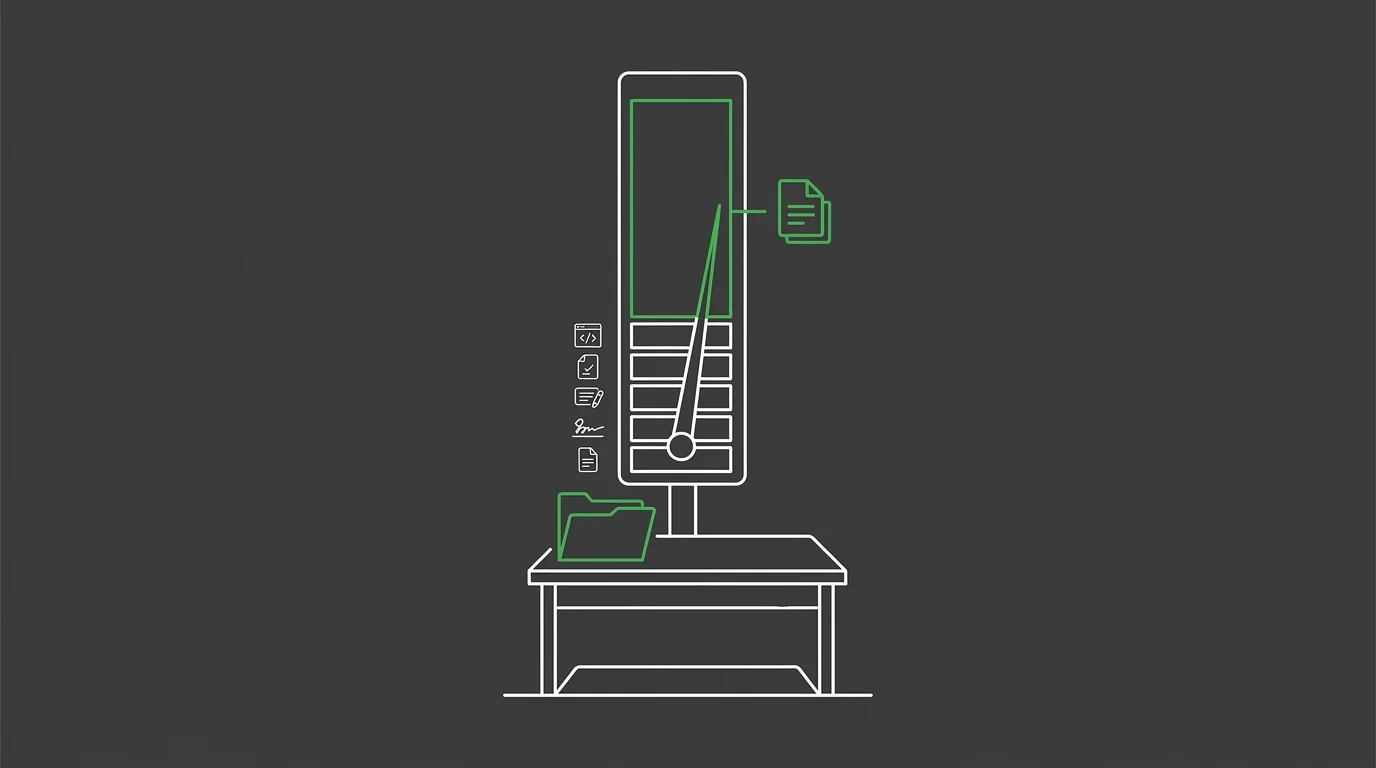
A number settles an argument that opinion can't. According to CMS, insufficient documentation accounted for 95.5% of improper payments for chiropractic services in the 2024 reporting period, while incorrect coding accounted for only 0.7%.
Fear-based billing marketing turns that figure into a threat to sell anxiety around. The figure itself measures something narrower: a documentation gap a trained front desk closes before a claim ever moves.
| Error Category | Share of Improper Payments | Reporting Period |
|---|---|---|
| Insufficient Documentation | 95.5% | 2024 |
| Incorrect Coding | 0.7% | 2024 |
Reading the Improper Payment Breakdown
Read the two rows side by side, and code choice barely registers against documentation failure. A practice's denial management and appeals work exists because that gap starts upstream of any code.
How Post-Payment Review Changes the Calculus for Chiropractic Claims
A paid claim is not a closed claim. Medicare can still pull a chiropractic claim for post payment review long after reimbursement, and the documentation created at intake is what that review reads first. A clean front-desk checkpoint does not just win the claim today. It determines what survives scrutiny later.
Building a Front-Desk Training Sequence That Matches Medicare's Review Logic

A sequence beats a memo, every time. Staff need a structured order of checkpoints that mirrors how Medicare reviews a claim, line by line, from intake to submission. A one-time handout on AT modifiers won't hold that line.
| Training Checkpoint | What Staff Verify | Why It Matters |
|---|---|---|
| Check-In Intake | Whether the patient's own words describe functional change or comfort level only | A plateau phrase logged here contradicts active treatment before the chart is even written |
| Visit Note Review | Whether documentation ties the day's treatment to measurable improvement, not maintenance | This is the same standard Medicare applies after the claim is filed, caught earlier and for free |
| Modifier Application | Whether the chart already supports active treatment before the AT modifier is attached | A modifier cannot create proof that the documentation never established |
| Pre-Submission Hold | Whether the visit notes read as corrective care rather than supportive care | A gap caught here is fixed before the claim ever goes out |
Sequencing Intake Questions Around the Active Care Standard
Intake questions should surface functional status first, not comfort level. "How is the pain today" invites a plateau phrase. "What can you do now that you couldn't do last visit" invites a functional answer.
That ordering is not a script trick. It is the same standard CMS applies after the fact, asked before the chart ever gets written.
Checkpoints Before a Claim Leaves the Front Desk
Before a claim leaves the front desk, someone confirms the visit notes describe improvement, not maintenance. Billing that runs on its own, cut off from the practice's documentation and EHR, can't catch that gap. Disengaged practices get disengaged results.
Frequently Asked Questions
These questions get asked at the front desk, not the biller's desk. And every one leads back to the same checkpoint.
What is the single biggest mistake front-desk staff make when billing Medicare for active care?
Logging comfort instead of function. A casual note of a patient feeling fine can contradict the provider's own record of active treatment.
How often should a patient be re-evaluated to confirm treatment is still active and not maintenance?
Medicare ties coverage to improvement, not to a calendar: it covers care as long as the patient is improving. So staff should flag any visit where progress notes read flat, and the provider can confirm status before the claim goes out.
Does front-desk staff need to understand CPT codes, or just the AT modifier?
The AT modifier comes first. Staff who know why it attaches to a claim catch more errors than staff who only memorize a code list.
What specific phrases in patient check-in notes can trigger closer Medicare review?
Phrases like feeling fine, no change, or same as last time read as plateau language. Those words suggest maintenance, not active care, and they can undercut the provider's own record.
Can an adjustment be billed as active care if a patient says they feel fine but notes show continued need?
It depends on the provider's notes, not the remark. If the notes show measurable improvement since the last visit, a passing comment at the desk doesn't change it. If they don't, the visit isn't active care.
What happens when a maintenance visit gets billed as active treatment?
The claim is billed as something the record does not support. That gap sits quietly until a post payment review finds it, and by then the reimbursement is what gets pulled back.
Where This Leaves the Front Desk
So bring it back to where every claim starts. The front desk is the checkpoint, and each claim either clears it clean or carries a gap a reviewer finds later.
That's not clerical work. It's specialty knowledge, and a generalist billing process can't consistently hold the active-versus-maintenance line at intake, place the AT modifier correctly, or document functional improvement the way Medicare asks for it.
An untrained checkpoint logs a plateau phrase and lets it pass. A trained one catches it before the claim ever moves. If a practice's front desk doesn't know which version it is, schedule a call with Bushido Billing and find out.