

How a Practice Address Change Can Disrupt Payer Enrollment
A practice address change can quietly break payer enrollment. See how CMS rules, claim timelines, and ERA/EFT setups are affected and why it matters.
A practice address change disrupts payer enrollment because each payer treats the new location as a separate data point requiring independent verification, not a simple update. Medicare, Medicaid, and commercial carriers each maintain their own provider file for every enrolled location, and a change submitted in one system does not automatically propagate to the others. Federal rules require physicians and non-physician practitioners to report a change in practice location to their Medicare contractor within 30 days of the change, typically through the Provider Enrollment, Chain and Ownership System known as PECOS. Missing or delaying that notification creates a mismatch between the address on a claim and the address on file with the payer, and that mismatch is a common trigger for claim rejection or denial. Commercial payers run parallel credentialing files with their own notification windows and documentation requirements, so a single move can require multiple separate updates completed on different timelines. During the gap between submitting a claim and completing every payer's address update, claims can be misdirected, suspended, or denied outright. Electronic remittance advice and electronic funds transfer connections are also tied to the provider record on file, so an unresolved address discrepancy can interrupt payment posting even after a claim is accepted. An Electronic Health Record system can submit claims from a new address immediately, but it cannot track which payers have confirmed the update, which have rejected it, or which require additional documentation before reimbursement resumes. The disruption is not caused by the move itself. It is caused by the lag between when the address changes operationally and when every connected payer system reflects that change correctly.
What Actually Happens Inside Payer Enrollment When a Practice Address Changes

An address change doesn't just update a mailing label. It touches payer enrollment, the process that confirms a provider is eligible to be paid for treating insured patients.
On the front desk, a move looks like a quick admin chore. Inside the enrollment system, it can set off a chain of problems that an EHR keystroke never shows anyone.
Why an Address Field Isn't Just an Address Field
So that address field isn't just contact info sitting in a database. It's the anchor every payer uses to confirm that the provider who treated the patient is the same provider on file at that location.
Move that anchor and every connected system has to catch up on its own clock. That's exactly why a move calls for a year-round approach to credentialing upkeep, not a single form filed once and forgotten.
Why Treating This as an EHR Setting Change Fails
An EHR treats an address change as a settings update. One keystroke, saved instantly, claims flowing from the new location the same afternoon.
That keystroke is the easy part. The transition from an old address to a new one opens a window of vulnerability where claims can be misdirected, denied, or processed incorrectly across every payer system that hasn't caught up yet.
Software submits claims; it doesn't argue with a payer that rejected one. Denials, appeals, and accounts receivable recovery during that window require judgment no system executes on its own.
That gap is exactly where enrollment status and claims adjudication intersect, which is why how a lapsed enrollment affects submitted claims matters well beyond the week of the move.
An EHR has no mechanism for chasing down which payer confirmed the update and which one is still denying against the old file.
The Federal Clock: What Medicare Requires After a Location Change
Medicare doesn't leave the reporting window open to interpretation. Per CMS, physicians, non-physician practitioners and their organizations must report a change in practice location to their MAC through PECOS or the CMS-855 paper application within 30 days of the change.
That clock runs from the date of the change itself, not from whenever someone gets around to the paperwork. Federal rules put a change in practice location on the same footing as a change of ownership or an adverse legal action.
Where the Reporting Window Gets Missed
The deadline rarely gets missed because someone forgot the move happened. It gets missed because the person who signed the lease isn't the person who logs into PECOS. CMS directs providers to enroll using PECOS, the online Medicare enrollment system.
That system only helps once someone actually sits down to file. A front desk address update won't file anything in PECOS on its own. Once the window closes, a routine move can turn into denied claims, with steps for appealing gap-related claim denials as the way back.
How an Outdated Address Breaks Claims Before Anyone Notices
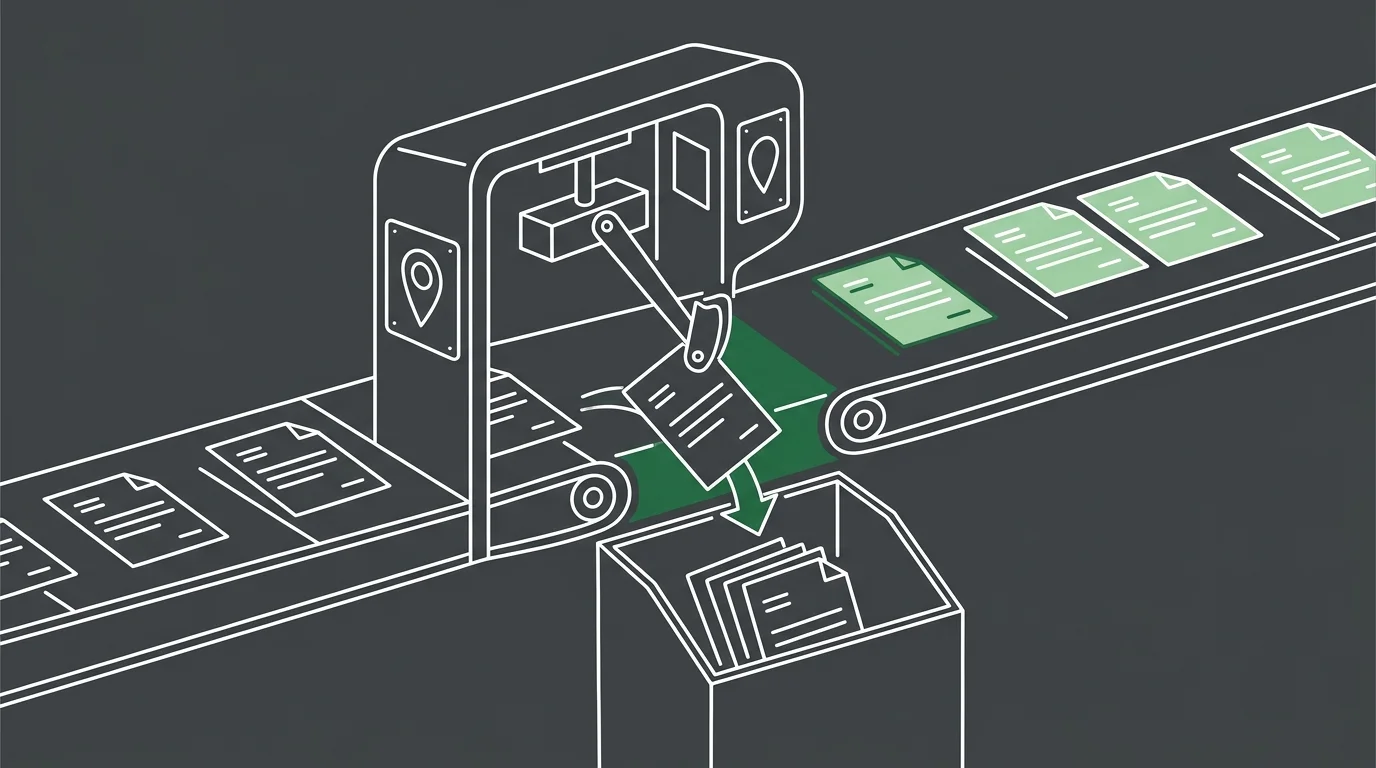
An outdated address doesn't sit quietly in a file. It keeps producing denials, and each one looks like its own problem until someone traces them all back to the same keystroke.
The chain reaction across dozens of payer systems is slow, and that lag is where the denials start stacking up.
| Failure Point | What Triggers It | Downstream Effect |
|---|---|---|
| Medicare notification delay | Front desk updates the address in the EHR, but nobody files the change in PECOS inside the reporting window | Provider file stays flagged with the old location, so claims from the new address get denied against a record that hasn't caught up |
| Commercial payer file mismatch | A payer's own credentialing team never receives the update, even though the EHR claim already reflects the new location | Claims route against the old provider file, triggering rejection or suspension while the practice assumes the move is already finished |
| Invalid address flag | A payer or Medicare contractor runs a routine address validation check and finds the old record still active | The provider file gets marked unreliable, which can prompt further scrutiny of the location on file |
The Denial Patterns Tied Directly to Location Data
Once a practice moves, every claim rides on whatever address each payer still has on file. A claim that looks clean on submission can still fail the moment it hits a payer whose record hasn't caught up.
Electronic remittance advice and electronic funds transfer settle against the provider record, not the claim. A claim can clear and still stall at payment posting if that record still lists the old service location, which is the kind of gap chiropractic revenue cycle management is built to catch early.
When an Invalid Address Draws a CMS Site Visit
Medicare doesn't treat an address mismatch as background noise. CMS has the authority to perform site visits on all providers, and it lists address validation errors among the reasons. That scrutiny attaches to the provider file itself, not to the quality of care being delivered.
A billing partner that flags an address mismatch early is working, not failing. Silence is the real warning sign, because it rarely means the claims are clean. Usually it means nobody has checked whether the address on file still matches what each payer has.
Why Commercial Payers Don't Follow Medicare's Playbook
Medicare runs on one federal clock. Commercial payers don't share it. Each carrier sets its own notification window, its own documentation list, and its own idea of what a finished update even looks like.
| Payer Type | Typical Notice Lead Time | Documentation Commonly Required |
|---|---|---|
| Medicare | Fixed federal reporting window tied to the date of the move, not the date of filing | PECOS update reflecting the new practice location, filed through the provider's Medicare contractor |
| Medicaid | Set by the state program rather than a single federal standard, often running on a separate clock from Medicare | State-specific enrollment update, sometimes requiring supporting documentation beyond a simple address change form |
| Commercial Payer (Contracted Network) | Determined by the individual carrier's provider agreement, with no uniform deadline across plans | Payer-specific update request, often paired with proof of the new service location and confirmation of continued network participation |
| Commercial Payer (Credentialing File Refresh) | Tied to that carrier's own credentialing cycle rather than the date of the move itself | Documentation supporting the location change inside that payer's credentialing file, separate from any claims-side address update |
Mapping Payer-by-Payer Notification Requirements
Many practices underestimate the lead time and documentation each individual payer demands before a new service location is accepted without a cash flow gap.
Generalist billing handling can keep pace with one deadline. It struggles against a dozen different ones running in parallel, each with its own proof requirements.
The System of Record Problem: PECOS and Beyond
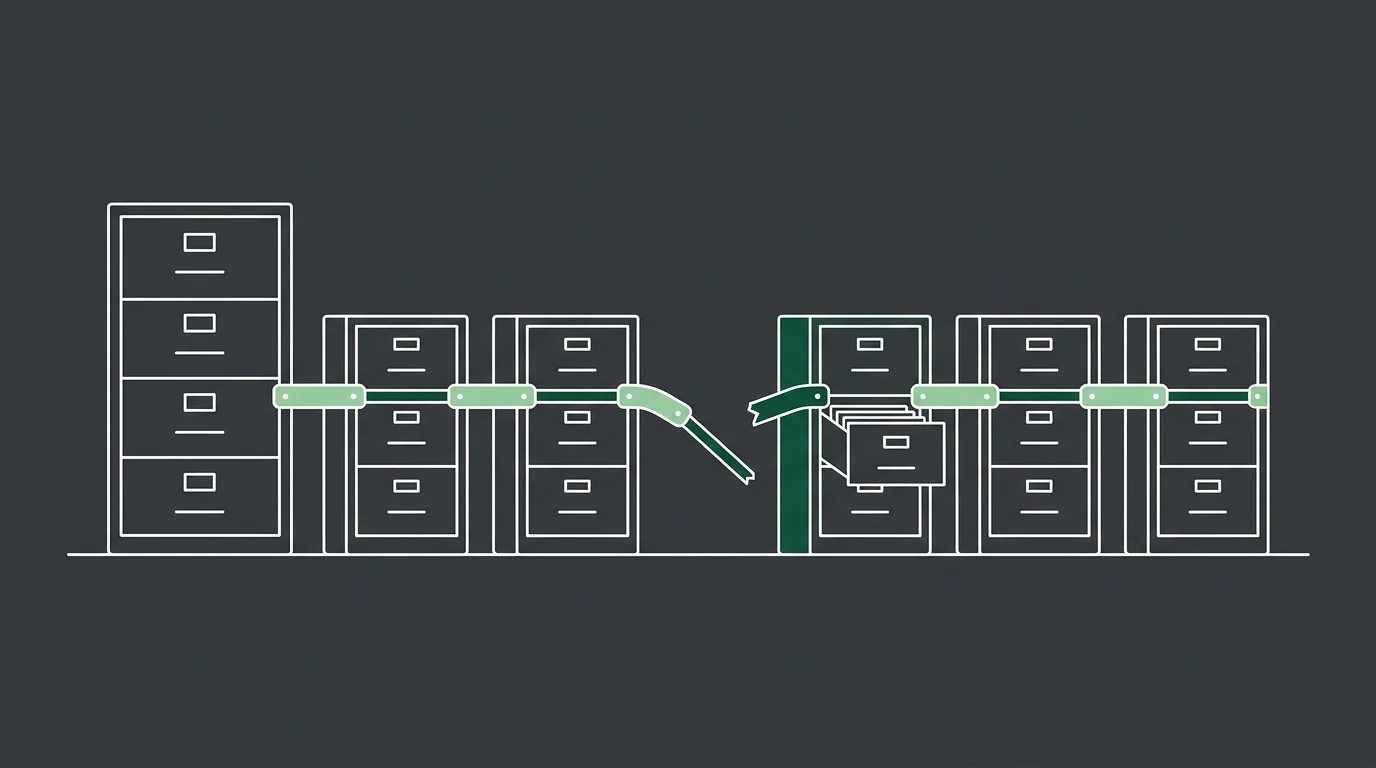
Medicare is the one lane where the whole update runs through a single system, and that's a relief right up until someone assumes it covers everything. PECOS confirms information the practice already submitted, but it only governs the federal side. Every commercial carrier still updates its own file on its own clock, and PECOS doesn't move a single one of them any faster.
Rebuilding a Revenue Cycle After an Enrollment Gap
Good billing doesn't run itself once it's handed off. It runs on EHR access, documentation cooperation, and a provider who's available to sign off on appeals, and a practice that steps out of that loop gets a disengaged result no matter how capable the billing side is. Closing a payer enrollment gap after a move takes that same cooperation, pointed at every payer file that's still out of sync.
Frequently Asked Questions
Once the paperwork starts moving, the mechanics of a move turn into very specific questions. These are the ones that come up most.
What is the first step a practice should take with payers after a change of address?
Pull the full payer list first, not just Medicare. Every payer with an active credentialing file needs its own address update request, and the sequence should start with whichever carriers have the shortest notification windows.
How long does it typically take for payers to process a practice address change?
No single processing time applies, so plan around filing early. Medicare's rule sets a deadline for reporting the move, not a promise of how fast it gets processed, and each commercial payer works on its own clock. File with every payer before the move date, then check each one until it confirms the new address.
Can a practice still submit claims while the address change is being processed?
Yes, and that's part of the risk. An EHR will keep submitting from the new address while payer files still show the old one, which is exactly the mismatch that produces denials.
What are the most common reasons claims are denied after a practice moves?
Most trace back to a provider record that still lists the old service location. The claim looks right on the practice's end. It still fails the payer's match against the file on record.
If payer enrollment is terminated due to an address issue, does the entire process restart?
Not always, but a terminated enrollment is a much worse starting point than a pending update. Reinstatement can mean new documentation and a fresh review cycle, not a quick correction.
How does an address change impact EFT and ERA setups in the revenue cycle?
Electronic remittance advice and electronic funds transfer are both tied to the provider record, not the claim itself. An address mismatch there can stall payment posting even after a claim has already been accepted.
What This Means
Changing an address takes one keystroke in an EHR. What that keystroke sets in motion is where a practice actually keeps or loses revenue.
Software can send a claim from the new location that same afternoon, but it can't chase a dozen payer files, argue a denial, or spot which payer still has the old address. That work takes human judgment. Another system update won't supply it.
So treat the move as the start of the work, not the finish line. If a recent or upcoming location change has a practice watching for denials instead of payments, talk to Bushido Billing about getting ahead of it.