

What Happens to Claims When a Commercial Panel Enrollment Lapses?
When a commercial panel enrollment lapses, claims deny or pay at out-of-network terms until it's restored. Confirm the dates, protect patients, rework denials.
When a commercial panel enrollment lapses, the payer stops treating the provider as in-network, so claims submitted under that contract are typically denied or reprocessed at out-of-network terms until enrollment is restored. The lapse works like a switch flipping from in-network to out-of-network status. The practice keeps delivering care exactly as before, but the payer's system no longer recognizes the provider as eligible for in-network payment. Claims that would have paid at contracted rates may come back with denial codes that point to provider eligibility or network status. Billing the patient for the difference is not a safe default. Before any patient bill goes out, a practice should check its payer contract and the patient's continuity-of-care protections, since some continuing care patients keep in-network benefits for a limited time with a provider who has lost that status. A lapse can happen for several reasons, including an expired contract term, incomplete re-credentialing paperwork, a missed revalidation deadline, or a payer system error that deactivated an active provider record. Claims submitted during the lapse are often denied in batches, which can delay discovery of the problem until a noticeable volume of rejections shows up on a remittance report. Depending on the payer's policies, some claims denied during a lapse may be reprocessed once enrollment is reinstated, while others need a formal appeal or resubmission with corrected provider information. The cost includes both delayed or lost payment and the staff time spent finding, appealing, and resubmitting each affected claim. Until active enrollment is confirmed with the payer, every claim tied to that panel stays at risk of denial.
What Actually Happens When a Commercial Panel Enrollment Lapses

Start with what enrollment actually is. Provider enrollment is the process that networks a provider with an insurance payer in the first place, and without it the in-network switch wouldn't exist at all.
So a lapse doesn't erase that work. It quietly reverses it, and the payer starts treating the provider as out-of-network, so claims behind that status deny or pay at out-of-network terms.
The Status Flip Nobody Notices Until the Denials Arrive
About an EHR: it submits claims. It doesn't watch whether the payer still recognizes the provider whose name is on them.
That gap is exactly where a lapse turns into lost revenue. Denials, appeals, and AR recovery need human judgment that EHR software was never built to apply, the kind laid out in a complete guide to year-round credentialing upkeep.
Why Treating Enrollment as Finished Leads to Lapses
A lapse doesn't always come with a clear warning. What often shows up instead is claims that quietly stopped paying.
That gap often runs for weeks before a remittance report shows a denial pattern instead of a single rejected claim. By the time the batch is obvious, the revenue behind it is already delayed, and some of it requires formal correction rather than a simple resubmission — how to challenge claims denied during a lapse covers what that correction actually involves.
Inside the Disengaged Billing Process That Lets Enrollment Lapse
The assumption underneath a lapse is always the same one. Enrollment, once completed, is treated as finished rather than as a status that has to be watched.
But enrollment isn't a file that stays accurate on its own. It depends on documentation reaching the right desk, EHR access staying current, and someone actually confirming the provider is still recognized by each payer. A billing process that isn't embedded in that flow has no way to catch the moment the switch flips.
What Published Deadlines Say About Credentialing Timelines
Numbers don't soften this picture. They confirm it.
Regulators publish some of the windows that govern enrollment, and each one only helps a practice that's watching the file.
How Regulatory Deadlines Shape the Enrollment Window
Some states put credentialing on a fixed clock.
Virginia is one example. Virginia's administrative code requires MCHIP licensees to complete credentialing within 90 calendar days of receiving all requested information, or within 120 calendar days of receiving an application if no information is requested.
That 90-to-120-day window only protects a practice if someone is tracking where the application sits inside it.
Location changes carry a tighter deadline, and a shorter clock is an easier one to miss. Under the Code of Federal Regulations, Medicare-enrolled physicians, nonphysician practitioners, and their organizations must report a change, addition, or deletion of a practice location to their Medicare contractor within 30 days. Let that window slip and Medicare enrollment status itself can come into question, which is the heart of the enrollment risks of moving practice locations.
How a Lapse Collides With Patient Billing and Continuity of Care
A denied claim is one problem, and a patient caught inside it is a second one. Once the switch flips to out-of-network, questions about what the patient owes come up fast. Often neither the practice nor the patient knows it's happened yet.
There's a narrow protection built for exactly this moment. CMS explains that a continuing care patient might be allowed up to 90 days of continued health care benefits with a provider or facility that has lost in-network status. But that window protects the patient, not the practice, and it won't stop a single claim from denying while enrollment stays unresolved.
| Monitoring Component | What It Tracks | Failure It Prevents |
|---|---|---|
| Payer status confirmation | Whether each panel still recognizes the provider as in-network | Claims denied in batches after the switch has already flipped unnoticed |
| Credentialing file maintenance | Revalidation deadlines, documentation requests, and recredentialing paperwork status | A lapse triggered by an expired or incomplete file nobody flagged in time |
| Practice information accuracy | Location, ownership, and provider roster details on file with each payer | Enrollment exposure created by an unreported change the payer never received |
| Patient continuity tracking | Which patients qualify as continuing care patients under a lost in-network status | A patient billed in full where continuity of care protections should have applied |
| Denial pattern review | Remittance reports for clusters of eligibility or network status denial codes | Weeks of unresolved claims piling up before the lapse is even discovered |
Building an Enrollment Monitoring System That Doesn't Rely on Luck
Generalist billing handles the claim form, but it doesn't reliably catch the credentialing status sitting behind it. Network status has to be checked on its own, payer by payer, before the denials start.
Catching a lapse before it becomes a denial batch means someone is watching enrollment status the way they watch the claims themselves.
That's the kind of ongoing attention built into chiropractic billing support designed around this specialty rather than claims processing in general.
What a Practice Address or Ownership Change Does to Active Enrollment
A practice moves across town, and the payer's records can fall out of step with where care is actually given. Ownership changes carry the same risk, because payers verify the business entity behind the claim, not just the provider's name.
| Trigger Event | Reporting Requirement | Risk If Missed |
|---|---|---|
| Practice address change | Report the change, addition, or deletion of a practice location to the Medicare contractor within 30 days | Enrollment record falls out of sync with the payer, exposing every claim tied to that location to denial |
| Change of business ownership | Report the ownership change to the Medicare contractor within 30 days, since payers verify the entity behind the claim | Enrollment records no longer match the business billing the claim, which puts claims at risk of denial |
The Sequence for Recovering Revenue After an Enrollment Gap Closes
So recovery starts by confirming the new enrollment date with the payer, not by resubmitting claims blind and hoping they stick. The gap stays short only when the billing process spots the lapse before the denials pile up.
Silence from a billing partner during that stretch isn't a sign things are under control. A process that surfaces the problem early is proof the monitoring is working, not evidence something went wrong. The gap only turns into a crisis when nobody says anything until the denials arrive.
Reworking Denied Claims Once Re-Credentialing Is Confirmed
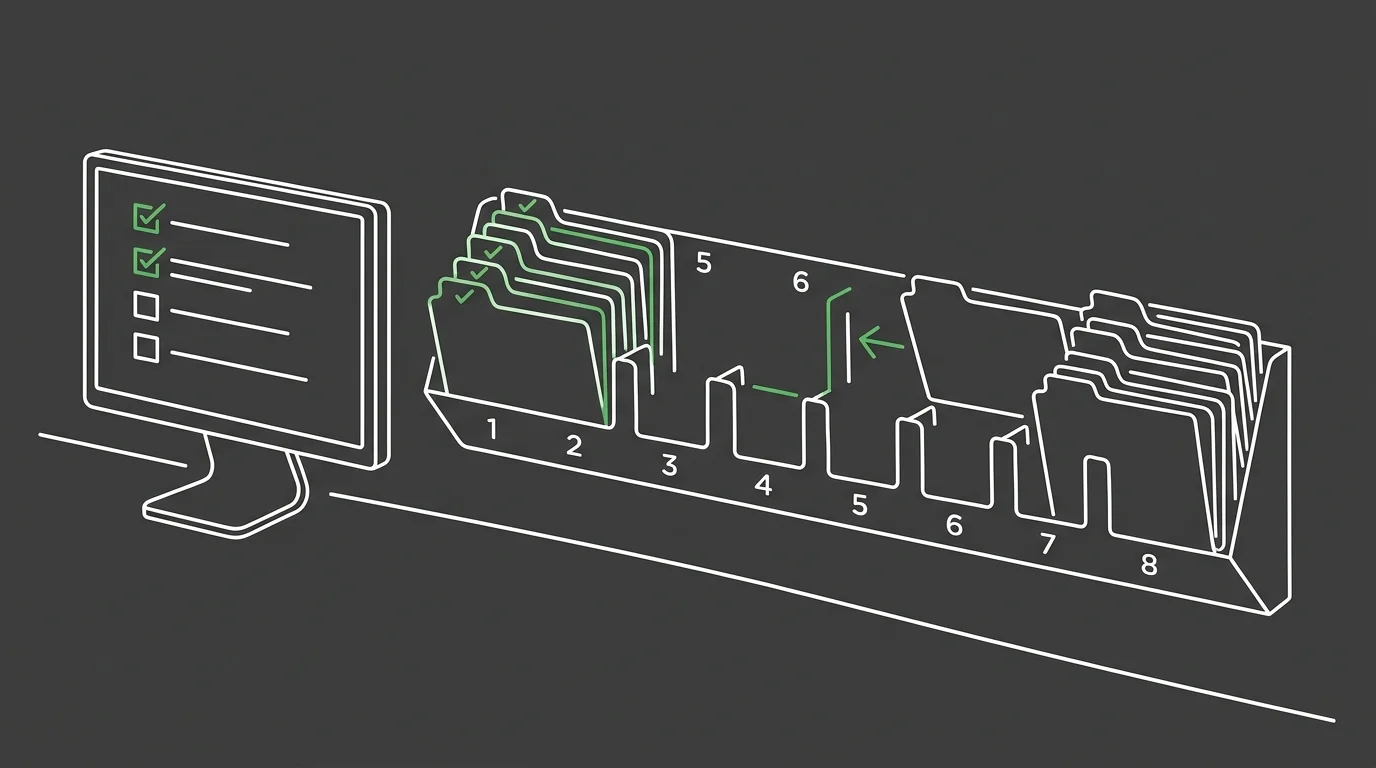
Reinstatement doesn't clear the denial queue. It just makes that queue workable again. Every claim denied while the switch sat flipped to out-of-network now needs a decision: reprocess, correct, or appeal.
Reworking the Denial Queue in the Correct Order
Deadline risk sets the order first, because a claim denied in the first week of the lapse has less runway left than one denied last week, whatever its dollar value. Then the queue splits by path. Claims the payer will reprocess on its own once enrollment shows active go in one pile, while claims that need a formal appeal with corrected provider information attached go in the other.
Sending Reprocessed Claims Back Out
A reprocessed claim goes back out with the corrected provider information the payer now shows as active. It doesn't need a new clinical argument, because a lapse denial is about the provider's eligibility, not the care. What it does need is someone checking that each claim carries the right effective date before it's resent.
Frequently Asked Questions
The same few questions surface every time this switch flips. Here's what each one really means.
What is the first thing a practice should do when they discover their commercial panel enrollment has lapsed?
Confirm the exact lapse date with the payer before touching a single claim. That date decides which claims reprocess on their own and which need a formal appeal.
Can a practice legally bill patients for services provided during a credentialing lapse?
Not as a default. Before any bill goes to a patient for care given during a lapse, check the payer contract, which may bar billing the patient, and the patient's continuity-of-care protections covered above. Billing the patient also doesn't fix the enrollment problem.
How long does it typically take to get re-credentialed after an enrollment lapse?
There's no single answer, since each payer runs its own review. Virginia, for example, requires MCHIP licensees to finish credentialing within 90 calendar days of receiving all requested information, or within 120 calendar days of receiving an application if no information is requested. Confirm the new effective date the moment it's issued instead of guessing at a timeline.
What are the most common reasons commercial payer enrollment lapses occur?
Missed revalidation deadlines, unreported practice changes, and payer system errors on an active record are the usual causes. None of them require negligence — they require nobody watching the file.
Can claims denied due to a lapsed enrollment be successfully appealed after reinstatement?
Some are, once enrollment shows active again and the claim is corrected with the right provider information. Others depend on how close the claim already sits to its appeal deadline.
Does a practice address change automatically trigger a re-credentialing requirement?
Not automatically, but it can trigger one depending on the payer and what changed. An address move is exactly the kind of event that needs to be flagged to the payer, not assumed to carry over.
Where This Leaves a Practice's Revenue Cycle
Enrollment status should never flip from in-network to out-of-network without someone watching it happen.
A disengaged billing process finds out after the fact, so it spends its time sorting denials it could have prevented. An embedded billing partner watches the enrollment status itself and catches the flip early.
That difference is the whole argument. Revenue cycle health isn't a file that stays accurate on its own, and it isn't something a practice should discover has failed. If a practice is ready to stop finding out about enrollment problems after the denials arrive, schedule a call with Bushido Billing.