

How Should a Practice Appeal Denials from a Credentialing Gap?
Learn how practices appeal claim denials from a credentialing gap, why automated systems miss nuance, and what a successful appeal strategy requires.
A practice appeals a credentialing gap denial with a formal written appeal sent directly to the payer. The appeal requests reprocessing of the claim under the provider's enrollment record. Supporting documentation should prove the service date, the provider's qualifications, and the enrollment application status at the time of service. The appeal must cite the specific denial reason code tied to the credentialing issue. Evidence should then address that exact reason instead of requesting a general reconsideration. Many payers allow retroactive credentialing in defined circumstances. Under this provision, an approved enrollment can sometimes apply backward to dates of service that fell inside the gap. Retroactive credentialing varies by payer and is not automatic. A complete appeal includes the provider's National Provider Identifier and the credentialing application timeline. It also includes any payer correspondence confirming submission dates. The appeal should close with a clear request for either retroactive effective dating or claim reprocessing. Timely filing limits apply to appeals just as they apply to original claims. Each appeal must be submitted within the payer's specific appeal window, which varies by contract and plan type. Credentialing gap denials differ from coding or documentation denials. They question the provider's eligibility to be paid under that insurance panel at the time of service. They do not question the accuracy of the clinical billing itself. Resolution typically requires direct communication with the payer's provider relations or credentialing department. These denials sit outside the standard automated claims adjudication workflow. They often require manual review and payer-specific exception handling.
What a Credentialing Gap Actually Does to a Claim
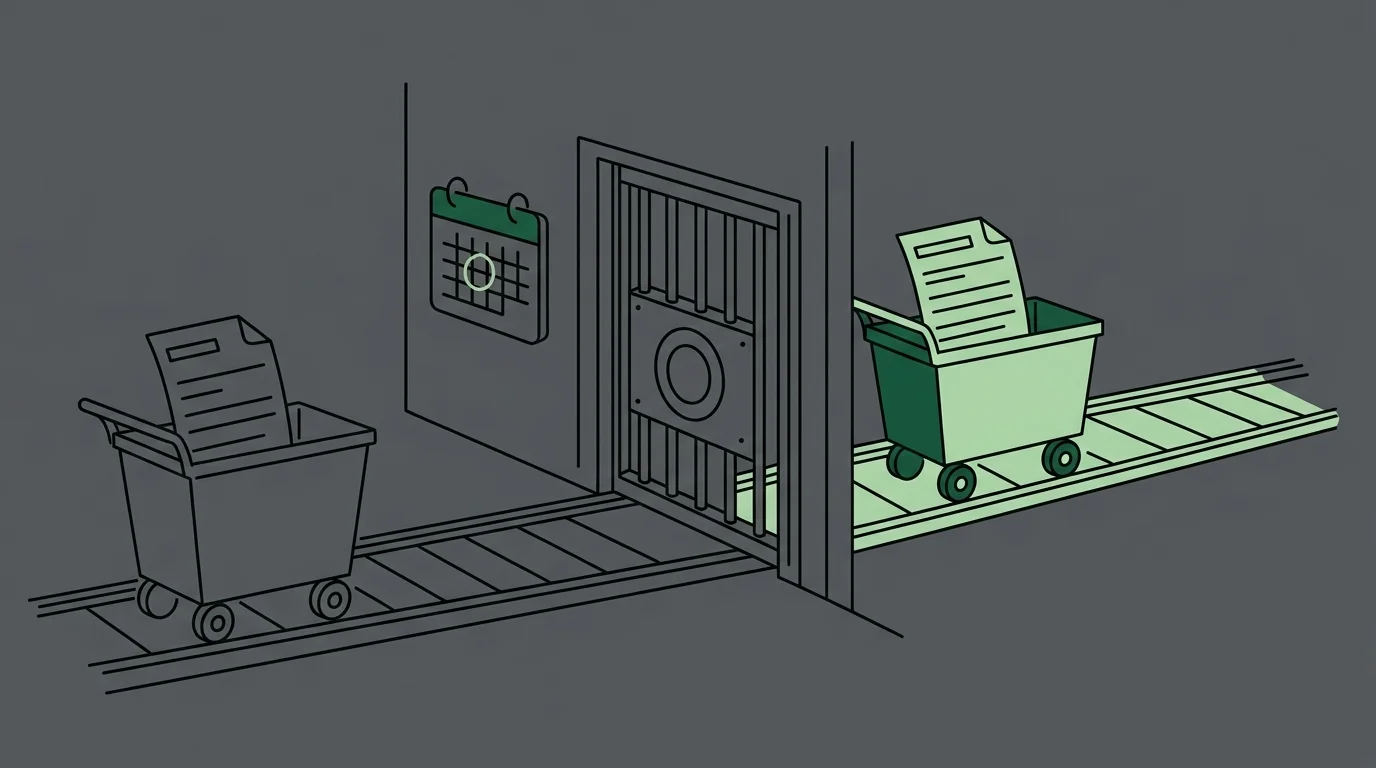
A credentialing gap shuts a door. The claim isn't wrong — the service happened and the notes are clean — but on that date, the payer sees the provider as ineligible for payment. Every denial in this category traces back to that one closed door.
That's why a gap is such a frustrating hurdle: legitimate, billable care turns into a zero-revenue visit. So a resubmission won't fix it. The real work is proving the door should have been open, a different job entirely and one worth understanding alongside how to keep payer enrollments active year-round before a gap ever opens.
Why a Credentialing Denial Isn't a Coding Problem
Here's the distinction that changes everything. A coding denial says the bill was wrong, while a credentialing denial says the provider couldn't be paid at all.
The payer is questioning whether the provider was eligible to be paid by that insurance panel on the date of service, and correcting a code never reopens that door.
Why Most Denial Triage Treats Every Rejection the Same Way
Most denial triage runs every rejection through one loop: find the error, fix it, resubmit. That loop works for a coding mismatch. But it breaks on eligibility, because there's no field to correct.
So a denial tied to what happens to claims during an enrollment lapse gets handled like a typo, when it's really a closed door that needs a different kind of argument to reopen.
Why Software Alone Can't Close a Credentialing Gap
Here's the assumption worth dropping: billing software was never built for this. It's built to get a claim out the door, and it can't argue with a payer about whether that door should have been open in the first place.
Where Automated Claim Scrubbing Stops Working
EHRs and clearinghouses scrub for format errors, missing modifiers and mismatched codes. But a credentialing denial carries none of those flaws, because the claim is clean and the provider just wasn't recognized as payable that day. So the scrubber passes it, then watches it bounce back with no next step programmed in.
That gap is where the real work starts. Overturning a credentialing denial takes a proactive, persistent, well-documented strategy that goes far beyond what typical EHR software can manage. Automated systems submit claims; they don't negotiate eligibility, and a practice relocation makes that limitation obvious fast, which is worth understanding through why a location move can derail enrollment.
What a State Deadline Shows About Credentialing Timelines
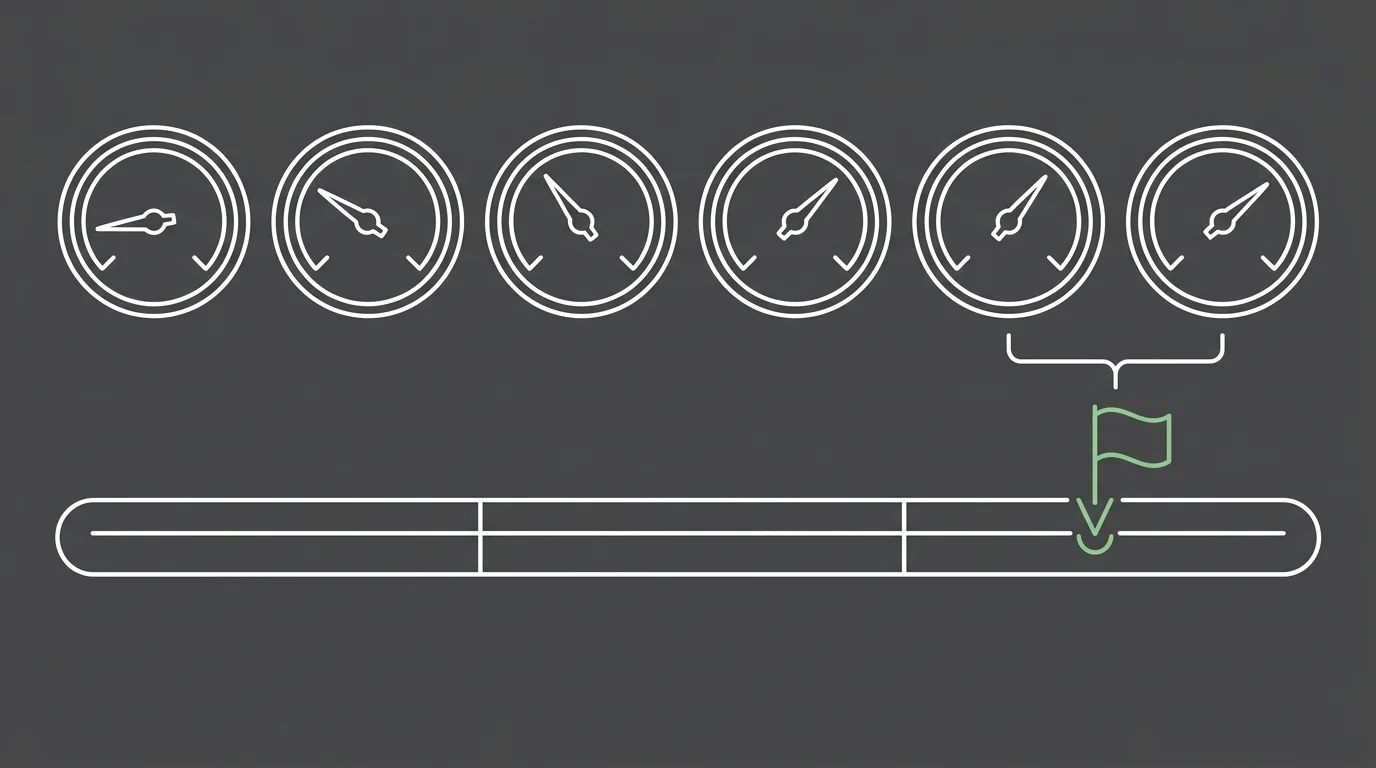
So the paperwork trail matters as much as the clinical record. North Carolina is one state example: as the North Carolina Department of Insurance explains, every provider who submits a credentialing application must get a response from the health plan within 60 days. Even a firm deadline like that leaves a gap window if a provider submits late or a plan misses it.
That's the window where denial management and appeals does its work.
How Retroactive Credentialing Changes the Appeal's Odds
Retroactive credentialing is the mechanism that decides whether an appeal has anywhere to go. If the payer's policy allows it, an approved enrollment date can be applied backward to cover the gap. If it doesn't, no appeal reopens that door.
That's why the appeals process isn't a standardized form submission. It's a negotiation that varies from payer to payer, and a state's response deadline says nothing about whether backdating is even on the table. A practice that treats every payer the same way loses leverage it never knew it had. Billing doesn't run itself once a claim leaves the building. It runs on EHR access, documentation cooperation, and provider availability staying engaged until the appeal is resolved, and a disengaged file produces a disengaged outcome.
| Payer Type | Retroactive Window Behavior | Documentation Typically Required |
|---|---|---|
| Commercial Payers | Varies by internal policy; some allow backdating to the application date, others only to the approval date, and some bar it entirely | Proof of application submission date, confirmation of receipt, and any payer correspondence acknowledging the pending enrollment |
| Medicare | Retroactive effective dates tied to specific regulatory provisions rather than payer discretion, with eligibility hinging on documented filing circumstances | Enrollment application records, provider qualification documentation, and evidence establishing the service dates fall inside an allowable retroactive window |
| Medicaid (State-Administered) | Policy set at the state level, so the window can differ from neighboring states and from the payer's commercial plans | State-specific enrollment forms, confirmation of state processing timelines, and documentation tying the denied service dates to the pending application |
| Payers With No Retroactive Provision | No backdating option at all, meaning the appeal must argue a different basis for reprocessing or accept the denial stands | Full enrollment history, correspondence proving good-faith timely submission, and any payer error documentation that might support a narrower exception request |
Why Treating the Appeal Like a Form Submission Fails
Treating an appeal like a form submission assumes the problem is paperwork. It isn't. The door was shut on a specific date, and reopening it takes a different argument for every payer that shut it.
How a Generic Appeal Template Loses to Payer-Specific Review
A generic template argues the claim. Payer-specific review argues the eligibility window, the retroactive policy, and the exact reason code behind the denial. So a template built for one payer rarely survives contact with another's rules. Silence after submission hides that mismatch until the appeal window has already closed.
How a Credentialing Appeal Moves From Denial to Resolution
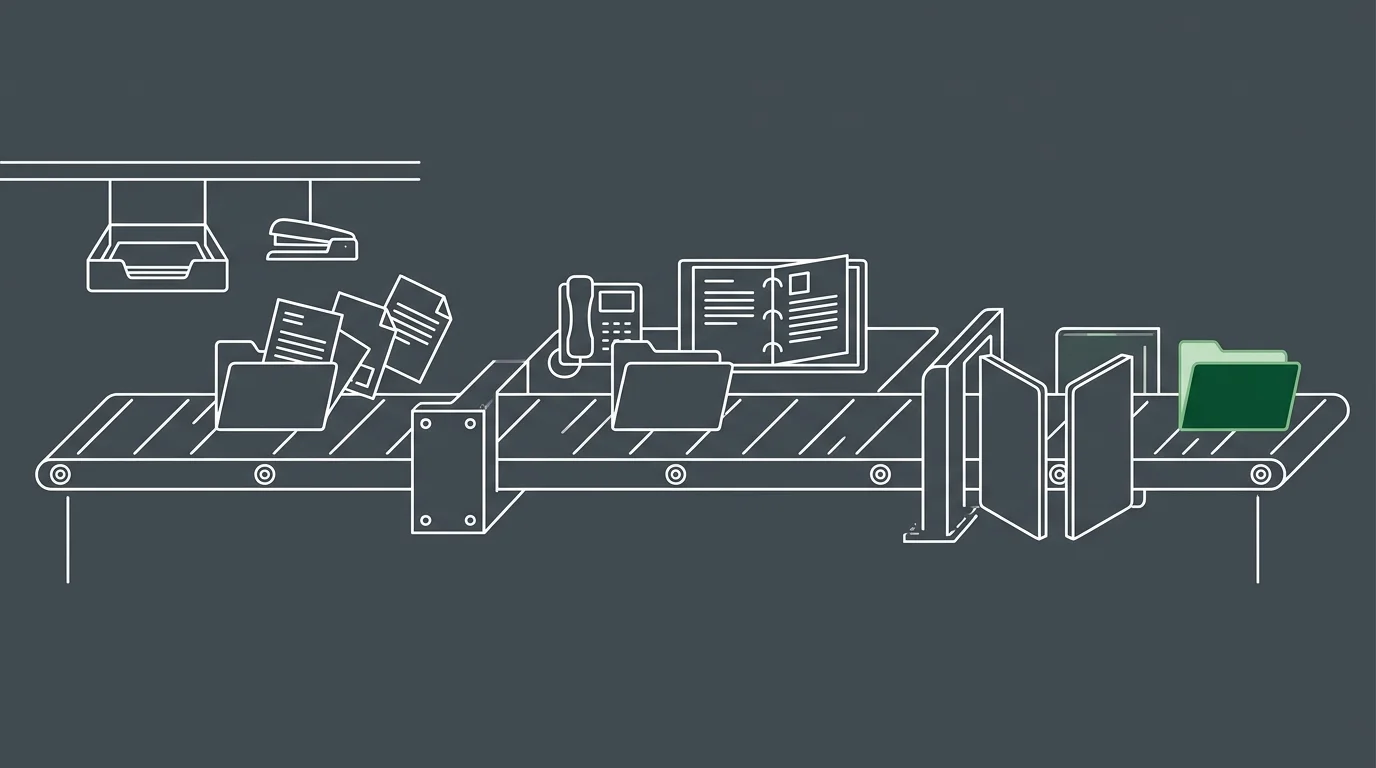
So what does a real appeal look like once the mismatch has a name? It's a sequence, not one submission and a hopeful wait.
| Stage | Primary Task | Who Typically Owns It |
|---|---|---|
| File Assembly | Gather the denial reason code, enrollment timeline, NPI, and payer correspondence into one complete record | Billing staff working directly with the credentialing file |
| Payer-Specific Review | Match the denial against that payer's retroactive credentialing policy and appeal window rather than a generic template | Specialized appeals staff who track payer-by-payer rules |
| Escalation | Move the argument from a standard appeal desk to provider relations or the credentialing department once the claim stalls | Credentialing or appeals specialist with payer contact |
| Negotiation | Present evidence for retroactive effective dating or claim reprocessing, shaped to that payer's exact reason code | Human reviewer, not an automated claims system |
| Resolution and Record Correction | Reprocess the denied claims under corrected enrollment dates and fix the underlying credentialing record so the gap does not reopen | Billing team working alongside the credentialing record owner |
Building the Appeal File
First, the file gets built. The denial reason code, the enrollment timeline, the NPI and every scrap of payer correspondence sit together before a single page goes out. A sloppy file just invites a second denial.
Escalation and Payer-Specific Negotiation
Then comes escalation, and it rarely stops at the first person who picks up. Once a standard appeal stalls, provider relations or the credentialing department takes over, because that's where retroactive policy actually gets decided. Every payer negotiates its own way, so the argument has to move with it.
Closing the Gap for Good
Closing the gap means two things happen at once. The denied claims get reprocessed under corrected enrollment dates, and the underlying credentialing record gets fixed so the same door doesn't shut again. A resolved appeal that leaves the root cause untouched is only a delay.
Frequently Asked Questions
The appeals process raises practical questions fast. Here are the ones that come up most once a practice starts working a credentialing denial.
Can we bill patients for claims denied due to a credentialing gap?
Not as a default. The gap is the provider's eligibility problem with the payer, not the patient's bill to carry. Before any bill goes to a patient, check the payer contract, which may bar billing the patient, and the patient's continuity-of-care protections. Sending it to the patient also won't fix the enrollment issue.
How long does a credentialing appeal typically take to resolve?
It runs on the payer's clock, so the first step is finding that payer's appeal deadline and working back from it. A clean file with the denial code, enrollment timeline, NPI, and payer letters moves faster, while a file still waiting on payer or provider correspondence just sits.
What is retroactive credentialing and do all payers allow it?
Retroactive credentialing lets an approved enrollment date apply backward to cover a gap in service dates. Not every payer allows it, and the ones that do attach specific conditions to when it applies.
How can a practice prevent credentialing lapses from happening in the first place?
Prevention means tracking every panel's expiration and renewal window before it closes, not after. A practice that treats credentialing as a standing task rather than a one-time step rarely sees the gap open at all.
If a provider leaves a practice, how does that affect its credentialing status?
A departing provider's enrollment doesn't transfer or extend on its own. So the practice has to confirm whether that credentialing stays active, lapses, or needs a new submission under a different arrangement.
Where This Leaves a Practice Chasing a Denied Claim
A closed door doesn't reopen on its own. Software can flag that it's shut and name the date, then it stops, because what comes next is a negotiation, not a resubmission.
That negotiation takes specialized human expertise: someone who reads the denial reason code, knows which payers allow retroactive credentialing, and argues the eligibility window instead of the claim. Skip that step and a practice doesn't lose a form. It loses the revenue behind it.
So treat every credentialing denial as its own case, never a template, because that's what recovering the revenue actually requires. If a door closed on a practice's enrollment, book a call with Bushido Billing and find out what reopening it really takes.