

Chiropractic Billing Services Compared: In-House vs. Generalist Agency vs. Specialty Billing Partner
Compare in-house, generalist agency, and specialty chiropractic billing partner models to see how each affects collections and compliance risk.
Chiropractic practices have three structural options for handling billing: an in-house employee, a generalist medical billing agency, or a specialty chiropractic billing partner. Each model differs in cost structure, coding accuracy, and compliance oversight. An in-house biller carries salary, benefits, training, and software costs, and that person's knowledge is limited to what one individual can learn and maintain over time. A generalist medical billing agency spreads its coding expertise across many specialties, which means chiropractic-specific rules, such as Medicare's medical necessity documentation for active treatment, may receive generic rather than specialty-informed handling. A specialty chiropractic billing partner concentrates exclusively on chiropractic coding, payer-specific denial patterns, and the regulatory nuances unique to spinal manipulation claims. The core distinction between these three models is not simply price. It is how much specialty-specific clinical and regulatory knowledge informs each financial decision made on a claim. Chiropractic claims carry documentation requirements, modifier rules, and medical necessity standards that differ meaningfully from other outpatient specialties, and a billing model unfamiliar with those standards is more likely to produce denials, delayed payments, or compliance exposure. Evaluating these three models requires weighing collections efficiency, the depth of coding expertise applied to each claim, the compliance risk absorbed by the practice, and where staff time and attention are ultimately directed. A model that treats billing purely as data entry addresses none of these variables with the specificity chiropractic care requires. A model built around clinical context evaluates each claim through the lens of what the treatment actually was and what the payer requires to prove it was necessary.
What Separates a Billing Model From a Billing Vendor
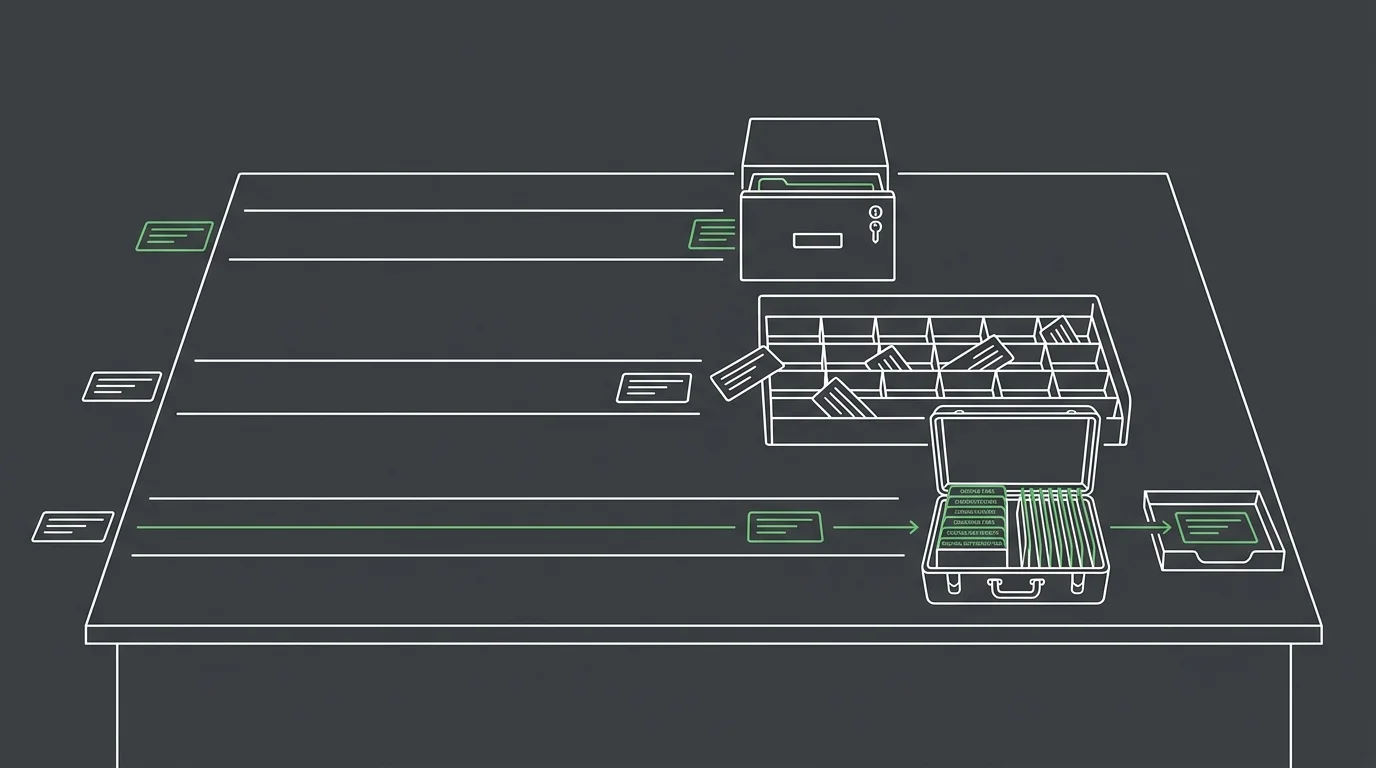
An in-house employee, a generalist medical billing agency, and a specialty chiropractic billing partner are the three operational models a practice can choose between. Each handles the same claim differently, and that difference shows up long before a denial ever arrives.
A billing vendor processes what is submitted. A billing model decides how a claim gets built in the first place, what documentation it needs, and how a denial gets corrected rather than resent. where generalist billing breaks down for chiropractic breaks down exactly where that distinction starts to matter.
Where the Definitions Break Down in Practice
On paper, three models look like three tiers of the same service. In practice, they split apart the second a payer denies a claim for a reason that has nothing to do with data entry.
Many practice owners underestimate the specialized knowledge required for accurate chiropractic coding and payer-specific regulations. That gap stays invisible until a denial forces someone to defend medical necessity in the payer's own terms.
Why the Generalist Agency Model Fails on Nuanced Denials
A generalist agency runs claims across dozens of specialties through shared workflows. Those workflows are built for volume, not for the documentation logic behind spinal manipulation codes.
So when a denial cites weak proof of active treatment, a generalist workflow tends to resubmit the same claim with the same gaps. Why Do Chiropractic Collections Keep Dropping Despite Steady Patient Volume traces how that cycle compounds until a lost payment gets written off as normal.
Why an In-House Biller Runs Out of Bandwidth Fast
An in-house biller starts strong. One person, focused entirely on one practice, tends to know the payer mix well.
But payer rules shift, and one person can only absorb so much before something slips. An effective billing model should function as a financial safeguard for the practice, not just a data entry service, and a single stretched employee rarely has bandwidth left to safeguard anything.
What the Numbers Actually Show About Each Model
Numbers separate these three models in a way description never quite manages. ICD-10-CM and ICD-10-PCS codes update twice a year, and a model that isn't tracking the current cycle ends up billing against rules that no longer apply. CMS reports updated twice per year, on October 1 and April 1. A specialty partner treats that cycle as a baseline function, not a fire drill.
Staff time tells the same story from a different angle. Primary care physicians spend 14 minutes a day on billing and coding tasks during work hours, all of it pulled straight from patient-facing work. Per PubMed Central, primary care physicians spend 14 minutes per day on billing and coding tasks during work hours. Chiropractic front-desk and clinical staff carry a comparable drag whenever billing lives in-house without specialty support, and What to Expect from Your Chiropractic Billing Partner lays out what shifts once that time goes back to patient care.
| Billing Model | Coding Update Responsibility | Typical Administrative Burden |
|---|---|---|
| In-House Employee | Falls entirely on one person, who must track each biannual update alongside daily claim volume | High, since a single staff member absorbs coding changes, denial follow-up, and payer correspondence without backup |
| Generalist Medical Billing Agency | Handled through shared workflows built for volume across many specialties, not tuned to chiropractic-specific rule changes | Moderate on the surface, but shifts back to the practice whenever a denial requires chiropractic-specific context the agency lacks |
| Specialty Chiropractic Billing Partner | Tracked as a baseline function tied directly to spinal manipulation coding and Medicare medical necessity standards | Lower for the practice, since coding cycles and denial patterns are managed within a chiropractic-specific workflow rather than passed back to staff |
Why the Sticker Price Hides the Real Cost
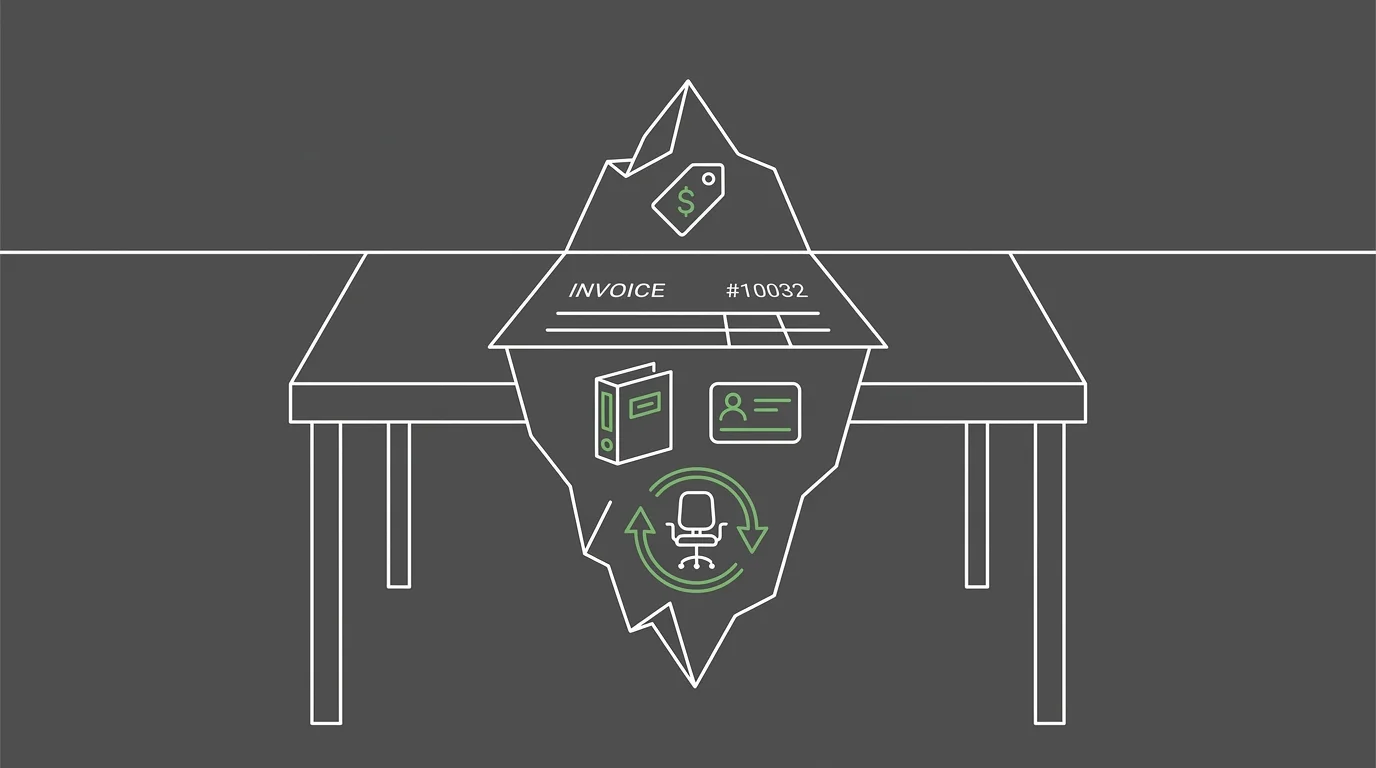
A monthly fee or a salary number tells a practice almost nothing about total cost. The figure that matters is what a claim actually collects, net of denials, delays, and rework.
That gap runs straight back to collections efficiency, compliance risk, and where a practice's energy goes once a claim is filed. Sticker price ignores all three.
| Cost Category | In-House Staff | Generalist Agency | Specialty Billing Partner |
|---|---|---|---|
| Visible Cost | Salary, benefits, payroll taxes, workstation, and billing software licensed to one person. | A monthly fee or percentage that appears fixed but hides variable coding depth per claim. | A percentage tied to actual collections, aligning cost directly with what a claim recovers. |
| Coding Depth | Limited to what one employee can learn and retain across payer updates. | Spread thin across many specialties, treating chiropractic rules as a generic template. | Concentrated entirely on chiropractic-specific coding, modifiers, and payer patterns. |
| Compliance Exposure | Rests on a single person's grasp of medical necessity documentation, with no backup. | Workflows built for volume rarely isolate chiropractic-specific denial reasons. | Documentation logic built around what payers require to prove active treatment. |
| Turnover Risk | Institutional knowledge of the payer mix leaves the practice when the employee does. | Staff assigned to the account can rotate without notice to the practice. | Continuity is structural, not dependent on any single staff member's tenure. |
| Where Staff Attention Goes | Split between billing tasks and patient-facing work, with billing often losing. | Directed at the agency's internal volume targets, not this practice's claim patterns. | Directed at resolving the specific denial patterns tied to spinal manipulation claims. |
What an In-House Hire Actually Costs Beyond Salary
Salary is the line everyone sees. Benefits, payroll taxes, a workstation, billing software, and ongoing training on coding changes sit underneath it, mostly unbudgeted.
Then there's turnover. When a solo in-house biller leaves, the institutional knowledge of the practice's payer mix walks out with them, and claims stall until a replacement rebuilds it. help with chiropractic claim denials breaks down what that gap costs a practice in real terms.
How a Specialty Model Is Actually Built
A specialty model is not a philosophy. It is a structure built around how chiropractic claims actually fail, and where.
How Payer-Specific Documentation Patterns Get Mapped
Every payer handles spinal manipulation documentation its own way, and a specialty model maps those differences claim by claim. So the specialized knowledge a generalist workflow lacks becomes a working reference here, not something scrambled for mid-denial.
How Coding Updates Get Absorbed Without Disrupting Claims Flow
Coding updates land on a fixed cycle, and a specialty model builds intake around that cycle instead of reacting to it. Claims keep moving because the rules feeding them were already current when the claim went out.
Where the Generalist Model Breaks Under Chiropractic-Specific Rules
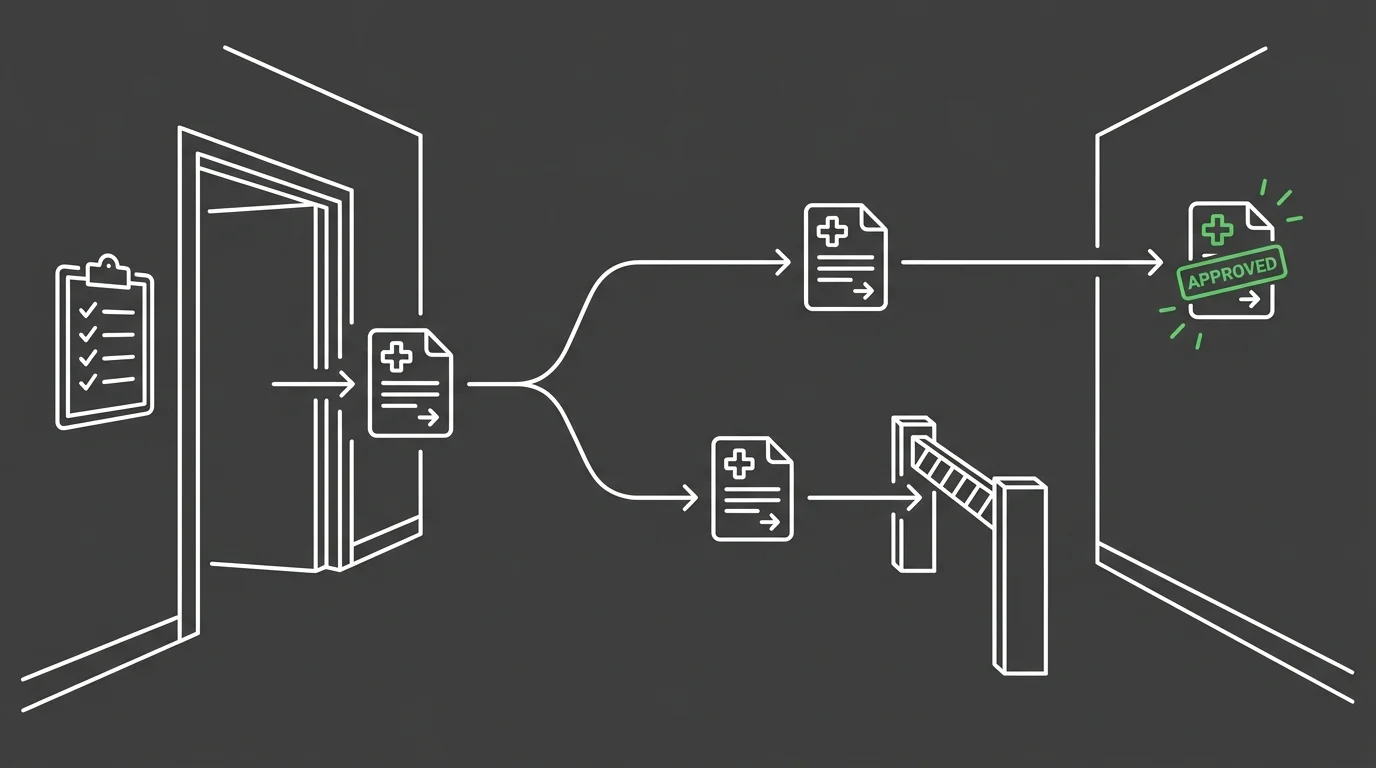
A generalist workflow is built to push volume across dozens of specialties at once. Chiropractic rules don't slot into that structure cleanly. They never really did.
| Compliance Trigger | Generalist Handling | Specialty Handling |
|---|---|---|
| Semi-annual coding update cycle | Shared workflows apply updates on a broad rollout schedule tied to volume across many specialties, so chiropractic-specific code changes may lag behind the effective date | Intake tracks the update cycle as a baseline function, syncing chiropractic-specific coding changes to the effective date before claims go out |
| Medicare active treatment documentation | Generic templates built for broad outpatient coverage often miss the specific proof of necessity spinal manipulation claims require | Documentation is built around what the payer's own standard demands for active treatment, checked before submission rather than after a denial |
| Denial citing insufficient necessity proof | Volume-driven workflow resubmits the same claim with the same documentation gap, so the denial resurfaces | Denial is treated as a diagnostic signal that triggers a documentation correction before resubmission |
| Payer-specific modifier and denial pattern | Shared coding logic applies one modifier standard across specialties, missing payer-by-payer variation in spinal manipulation claims | Modifier application is mapped payer by payer, reflecting how each carrier actually processes chiropractic-specific claims |
Why Medicare Documentation Rules Expose the Gap Fastest
Medicare's active treatment standard wants proof of necessity in the payer's own terms, not just a code on a claim. A workflow tuned for broad coverage instead of spinal manipulation nuance misses exactly that. So Medicare is where the gap shows first.
How Denials Get Worked Instead of Written Off
A denial is a signal, not paperwork to clear. Generalist handling tends to resubmit without touching the documentation gap underneath, so the same denial comes right back. A specialty structure reads each denial as a reason to fix the record, not just resend it.
Frequently Asked Questions
These questions come up in nearly every conversation about switching billing models. Here are direct answers, without the hedging.
What are the most common and costly billing errors specific to chiropractic care?
Missed medical necessity documentation for active treatment is the costliest error. Incorrect modifier use and outdated coding rules follow close behind, and each produces denials that generalist workflows tend to resubmit rather than correct.
How is a generalist medical billing agency different from a chiropractic-specific partner?
A generalist agency spreads coding expertise across dozens of specialties through shared workflows built for volume. A specialty partner works chiropractic and nothing else: the documentation, the payer-specific denial patterns, and the modifier rules unique to spinal manipulation claims.
What key performance indicators should a practice track to measure revenue cycle health?
Track collections efficiency, denial rate by reason code, and how quickly a denial gets corrected rather than resubmitted unchanged. Those three numbers reveal whether a billing model is safeguarding revenue or just processing paperwork.
How do Medicare documentation rules affect chiropractic claim approval?
Medicare requires documentation proving active treatment was medically necessary, in the payer's own terms. A claim submitted without that proof gets denied regardless of whether the code itself was correct.
How often do ICD-10 coding updates affect chiropractic billing?
ICD-10-CM and ICD-10-PCS codes update twice per year, on October 1 and April 1. A billing model unfamiliar with the current cycle risks submitting claims against rules that no longer apply.
What does an in-house biller's time actually go toward each day?
A meaningful share of an in-house biller's day goes to the same administrative pull physicians report elsewhere in the practice: chasing denials, reworking claims, and tracking coding changes instead of moving new claims forward.
Where This Leaves a Practice's Revenue Cycle
Billing is not a back-office task bolted onto patient care. It is a clinical support function, and a misread claim can misdirect revenue the same way a misread chart misdirects treatment.
Choosing among an in-house employee, a generalist medical billing agency, or a specialty chiropractic billing partner remains one of the most critical operational decisions a practice will make. The right model functions as a financial safeguard, not a data entry service, and that distinction determines whether collections hold steady as patient volume grows.
A practice that wants its revenue cycle to reflect the clinical reality behind every claim should start by examining how that claim is actually reviewed today. Book a call with Bushido Billing to walk through what a clinician-led model looks like for your practice.