

How to Fix Jane App ERA Auto-Posting and Claim.MD Reconciliation Gaps
Why Jane App ERAs stop auto-posting to Claim.MD and how the reconciliation gap between the two systems actually gets diagnosed and closed.
Fixing Jane App ERA auto-posting failures and Claim.MD reconciliation gaps requires manually verifying that identifying data points match between the two systems, then correcting the mismatch that blocked automation. An ERA will only auto-post and link to its claim in Claim.MD when the provider identifiers and payer information submitted on the original claim match exactly with what arrives on the received remittance. When the National Provider Identifier, Tax ID, or payer designation differs between the submission and the ERA, the payment data lands in the clearinghouse but does not connect to its corresponding claim inside the practice management software. This creates a reconciliation gap, meaning the payment record in Jane App does not match the remittance advice in Claim.MD, even though the money has been deposited. Resolving the gap involves identifying which specific data field failed to match, correcting the source of that mismatch, and manually posting or reprocessing the payment so the two systems reflect the same information. For missing ERAs tied to certain payers, this can require submitting supporting documentation, such as an Explanation of Benefits or a payer-generated image, before the remittance can be recovered and linked. The process is not automatic once auto-posting has already failed. It requires a deliberate audit of claim identifiers, payer enrollment status, and remittance data to locate the exact point of disconnection. Left unresolved, these gaps accumulate as unposted payments and unreconciled accounts, distorting the true state of a practice's receivables regardless of what the practice management dashboard displays.
What Actually Happens When a Jane App ERA Won't Auto-Post to Claim.MD
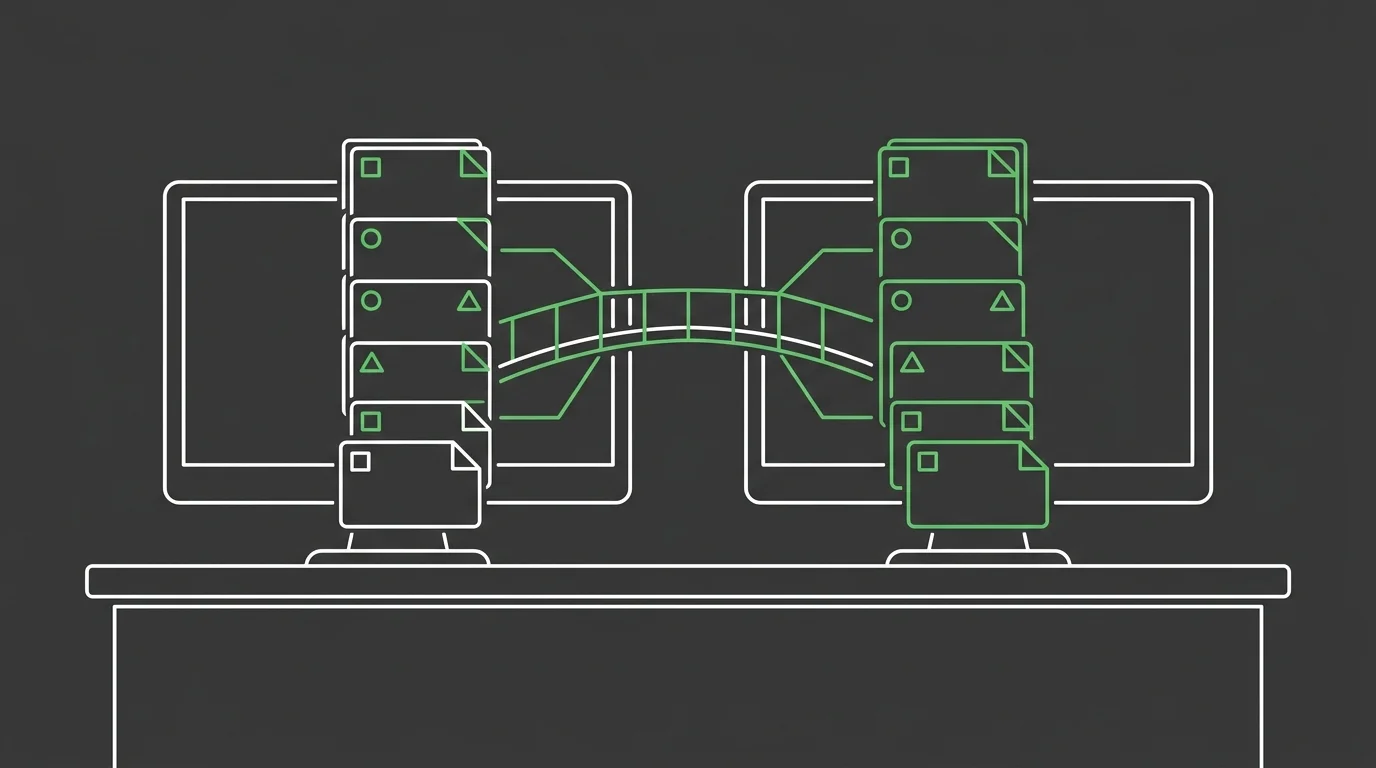
Auto-posting runs on one mechanism. Not a general sense of trust between two systems.
Per published platform documentation, an ERA will automatically link in Claim.MD only when the provider's NPI or Tax ID and the payer match between the submission and the received ERA. That's the whole rule. Nothing softer, nothing smarter sits behind it.
Where the Match Breaks: Identifier Mismatches
A mismatched identifier doesn't throw a warning. It goes quiet. The claim sits posted on one side and unlinked on the other, and no flag tells anyone which field broke it.
Correcting the source field is the only fix that holds. Everything else just clears the worklist for one cycle, then the gap comes back. For a deeper look at where these platforms' automation assumptions break down, why EHR billing modules stop short of full revenue cycle work walks through the mechanism in full.
Where the Match Breaks: Missing or Unassigned ERAs
Sometimes the claim's identifiers match perfectly, and nothing still posts.
The ERA itself never arrived. A payment clears inside the clearinghouse with no remittance record for the practice management software to reconcile against.
A reconciliation gap happens when the payment data in Jane App doesn't match the remittance advice from Claim.MD. A missing ERA is that gap in its rawest form: the money moved, and nothing recorded why.
Why the Automated-Posting Promise Doesn't Hold Under Real Payer Behavior
Automation vendors market auto-posting as the end of manual reconciliation work. Real payer behavior treats that promise as optional, not guaranteed.
Finance teams outside medical billing report the same pattern of lost hours. Findings published through published trade reporting show finance leaders at UK organisations report their teams can lose 20 to 29 hours each month to manual bank and payment administration. That figure exists because automated matching depends on clean, consistent data arriving from every side of the transaction.
Payers rarely cooperate that consistently.
Claim.MD's matching logic assumes the payer's remittance formatting stays predictable, and it doesn't always hold up. Practices chasing similar tracking failures on other platforms run into the same root issue, a pattern examined in How to Overcome ChiroFusion Claim Tracking Limitations and Clearinghouse Rejections.
The promise of set-and-forget automation in medical billing rarely matches reality. Every unmatched field is proof of that gap, not an exception to it.
| Manual Reconciliation Task | Time Cost Reported | Context |
|---|---|---|
| Manual bank and payment administration (low end) | 20 hours per month | Reported by finance leaders at UK organisations with 10 to 500 employees who track time lost to manual reconciliation work |
| Manual bank and payment administration (high end) | 29 hours per month | Reported by finance leaders at UK organisations with 10 to 500 employees who track time lost to manual reconciliation work |
| Chasing an unposted ERA to the point of resolution | Not quantified in per-claim terms | The promise of automation replacing this task rarely matches what payer behavior actually delivers |
The Method Most Practices Default To, and Why It Keeps Failing
When auto-posting fails, the reactive habit is to chase the symptom. Someone reruns the claim, refreshes the batch, or manually keys the payment just to make the number disappear from the worklist.
That clears the immediate discomfort. It does nothing about the mismatched identifier that caused it.
The same failure resurfaces on the next remittance from the same payer, because the underlying data gap was never diagnosed. Seemingly minor discrepancies between your EHR and clearinghouse can quickly compound into significant revenue cycle delays.
A practice repeating this cycle payer by payer, claim by claim, is running the same fix on a growing pile instead of closing the source. Comparing how these gaps show up differently across platforms is part of what Jane App vs ChiroFusion vs ChiroHD breaks down.
How an Unresolved Reconciliation Gap Compounds Across a Revenue Cycle
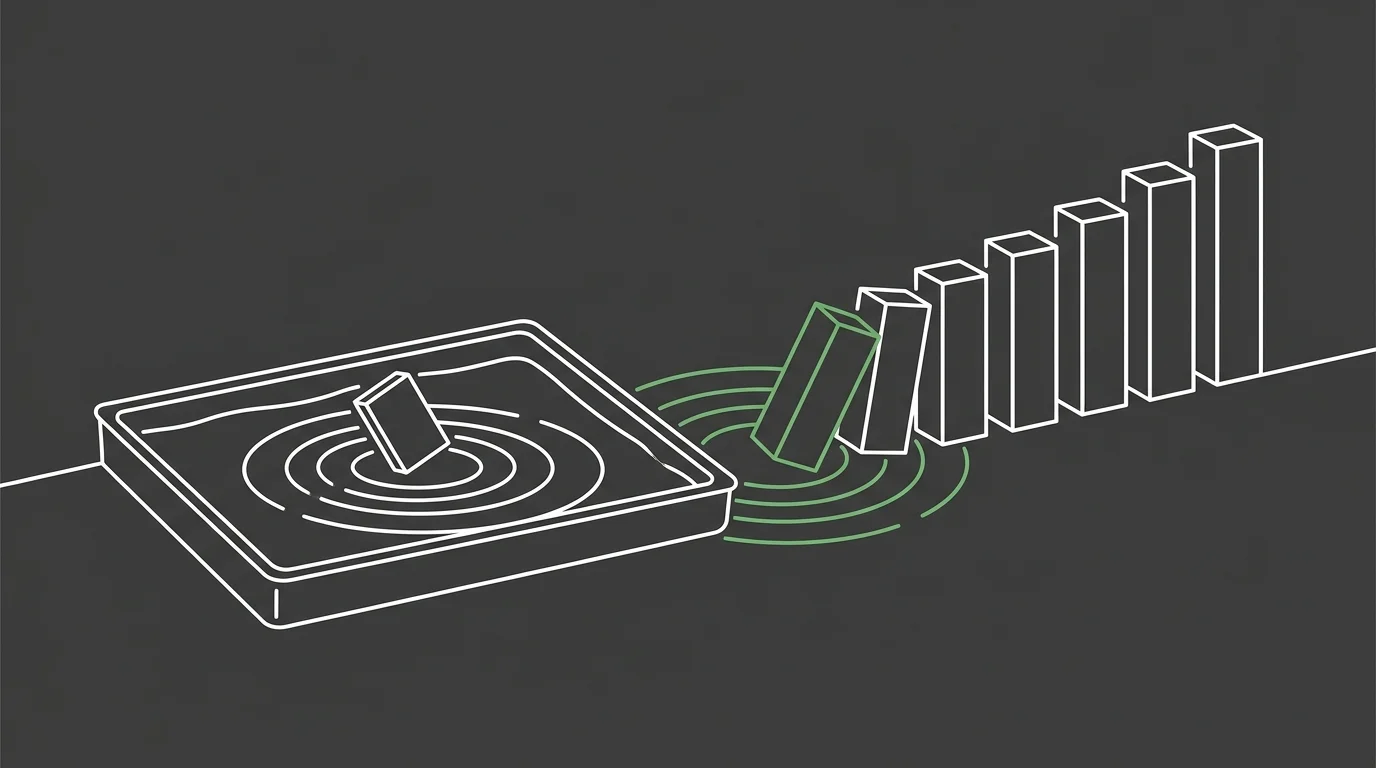
One unresolved gap never stays a single-transaction problem. It turns into the starting point for every gap that follows it.
Fixing the error in front of you isn't the same as fixing what caused it. Force a payment into place without diagnosing the mismatched identifier behind it, and the same failure sits waiting on the next remittance from that payer.
| Receivable Age Bracket | Underlying Cause | Effect on Cash Flow |
|---|---|---|
| Early Stage (Fresh Gap) | A single mismatched provider identifier or payer field stops the ERA from linking, leaving one claim open while the payment sits deposited but unattached. | Minimal, but the claim now shows as unpaid on the dashboard even though the money already cleared. |
| Mid Stage (Recurring Payer Pattern) | The same mismatched identifier resurfaces on the next remittance from that payer because the source of the error was never diagnosed, only the symptom. | Small unposted balances accumulate payer by payer, and staff time shifts toward repeatedly manually keying payments instead of correcting the root cause. |
| Late Stage (Aging Receivable) | Multiple unresolved gaps stack across different payers and claims, each representing money already collected but never reconciled against its claim. | The receivables ledger overstates what is actually owed, masking true cash position and making revenue cycle health difficult to assess accurately. |
| Chronic Stage (Systemic Drift) | Reconciliation gaps become normalized as routine cleanup work rather than flagged as a recurring credentialing or data-matching failure. | Cash flow forecasting becomes unreliable, and the practice loses visibility into which payers or fields are driving the ongoing disconnect. |
The Ledger Effect: From One Missed ERA to Aging Receivables
Picture that missed ERA sitting untouched for a full billing cycle. The claim stays open in the practice management software, the money already cleared inside the clearinghouse, and nobody has connected the two.
Now stack the next payer's mismatch on top, and the one after that. Aging receivables grow not because care went unreimbursed, but because nothing tied the reimbursement back to its claim. Work covered in AR cleanup and revenue recovery traces how that unposted balance keeps compounding until someone manually closes each gap.
Building a Reconciliation Framework Instead of Chasing Individual Errors
A reconciliation framework reads every unposted ERA as a symptom worth tracing, not a task worth clearing.
The goal was never closing tickets faster. It's a repeatable sequence that catches the mismatch before it hardens into an aging balance.
Diagnosing the Root Cause Before Touching the Ledger
Diagnosing the root cause means asking which specific field broke the match, not just which claim failed to post.
That's a different question from fixing a single transaction. It's the same distinction between correcting an error and identifying the systemic flaw that produced it in the first place.
Sequencing the Fix: Manual Posting, ERA Requests, and Verification
Once the mismatched field is identified, the sequence is fixed: correct the source data, request the missing ERA where one never arrived, then manually post and verify the two systems agree.
Verification closes the loop. Without it, the same untranslated gap resurfaces on the next remittance from the same payer.
Requesting a Missing ERA Without Losing the Payment Trail
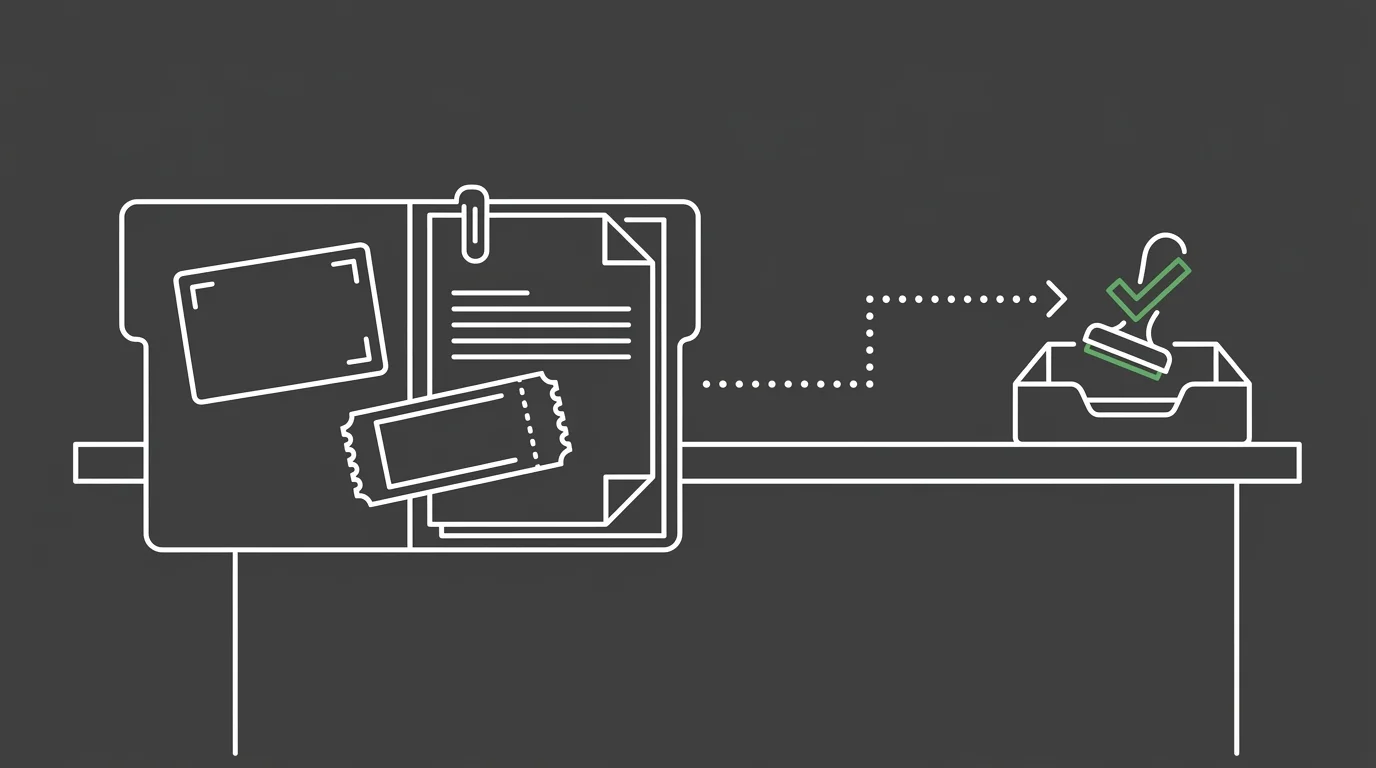
You can only work around a missing ERA for so long. Eventually the payer has to reissue it, and that reissue only happens when the request meets the payer's own documentation standard.
| Payer | Required Supporting Document | Submission Note |
|---|---|---|
| UHC | Explanation of Benefits or a supporting payer-generated image | Attach the document before submitting the missing ERA ticket, since a bare claim number alone will not move the request forward |
| Cigna | Explanation of Benefits or another supporting image such as a screenshot | Confirm ERA credentialing with the payer first, then attach the required document so the request has a documentation trail to point back to |
| Payers without a fixed documentation standard | Whatever confirmation the payer's own missing remittance process specifies | Verify the current requirement directly with the payer rather than assuming the last accepted format still applies |
Documentation Payers Require Before They'll Reissue an ERA
Some payers won't touch a missing ERA request built on a bare claim number. Per Claim.MD's support ticket guide, missing ERA requests for UHC plans and Cigna must include an EOB or another supporting image such as a screenshot. Skip that documentation and the ticket stalls before it ever reaches someone who can act on it.
Frequently Asked Questions
A few edge cases keep coming up once auto-posting has already failed. Here are direct answers to each one.
Why didn't an ERA from Claim.MD automatically post in my Jane account?
It doesn't post because a field on the outbound claim doesn't match the same field on the inbound remittance. Once that gap exists, Claim.MD has no way to link the two records on its own.
What is a reconciliation gap between Jane and Claim.MD?
A reconciliation gap is the disconnect between the payment record inside Jane App and the remittance advice inside Claim.MD. The money has cleared. The two systems just haven't been told it's the same transaction.
Can a payment be posted manually in Jane if the ERA auto-post fails?
Yes. A payment can be manually posted once the mismatched field is identified and the correct data is applied. Skipping that identification step just guarantees the same failure on the next remittance from that payer.
What are the most common reasons an ERA won't link to a claim in Claim.MD?
Mismatched provider identifiers cause most of these failures. A missing ERA that never reached the clearinghouse in the first place is the other common cause.
How is a deposited payment handled when the corresponding ERA is missing in Jane?
The deposit sits inside Claim.MD while the claim stays open in Jane App, waiting on someone to request the missing remittance. That request has to meet the payer's documentation standard before it moves.
What identifiers does Claim.MD check before linking an ERA automatically?
It hinges on whether the provider identifiers and payer designation on file agree with what comes back on the remittance. Any disagreement between those fields breaks the automatic connection.
What supporting documents does a missing ERA request typically require?
Certain payers require an Explanation of Benefits or another supporting image, such as a screenshot, before they'll reissue a missing ERA. A bare claim number isn't enough to move the ticket forward.
Where This Leaves the Reconciliation Process
Jane App and Claim.MD are two systems speaking related but not identical languages. Auto-posting is the translation. A reconciliation gap is the sentence that never gets translated at all.
Closing that gap for good isn't a setting you switch on. It's a discipline that reads what the automation left untranslated, field by field and payer by payer, until the mismatch has nowhere left to hide.
That discipline is what separates a practice clearing worklist symptoms from one that's actually protecting its receivables. If your reconciliation process is still guessing at which field broke the match, start a conversation with Bushido Billing.