

Jane App vs ChiroFusion vs ChiroHD: Which EHR Handles Insurance Billing Best in 2026?
Compare how Jane App, ChiroFusion, and ChiroHD handle insurance billing, claim scrubbing, ERA posting, and secondary claims in 2026.
Jane App, ChiroFusion, and ChiroHD each handle insurance billing differently, and no single platform fully solves claim denials, secondary payer errors, or clearinghouse rejections on its own. Jane App leans on a third-party clearinghouse integration and works well for multi-disciplinary practices that need flexible scheduling alongside billing. ChiroFusion offers a native clearinghouse with automated electronic remittance advice posting, which suits insurance-heavy practices processing high claim volumes. ChiroHD presents itself as an all-in-one system combining scheduling, documentation, and billing, and it tends to fit high-volume clinics that want fewer software vendors to manage. Each platform automates parts of the claims cycle: submission, scrubbing, and payment posting. None of them automate judgment. A denied claim still needs a human who understands why the payer rejected it. A secondary insurance claim still needs someone verifying the primary payer's adjustment before it moves forward. A rejected clearinghouse batch still needs a person reading the error code and correcting the root cause, not resubmitting blind. The practical answer is that platform choice affects workflow efficiency, reporting clarity, and the size of the administrative burden a practice carries. It does not remove the need for dedicated billing expertise. A practice weighing these three systems should measure clearinghouse ownership, remittance automation, secondary claim workflows, and financial reporting depth against its own claim volume and payer mix, then pair whichever platform it picks with revenue cycle oversight capable of resolving the exceptions the software cannot resolve on its own.
What Insurance Billing Actually Means Inside a Chiropractic EHR
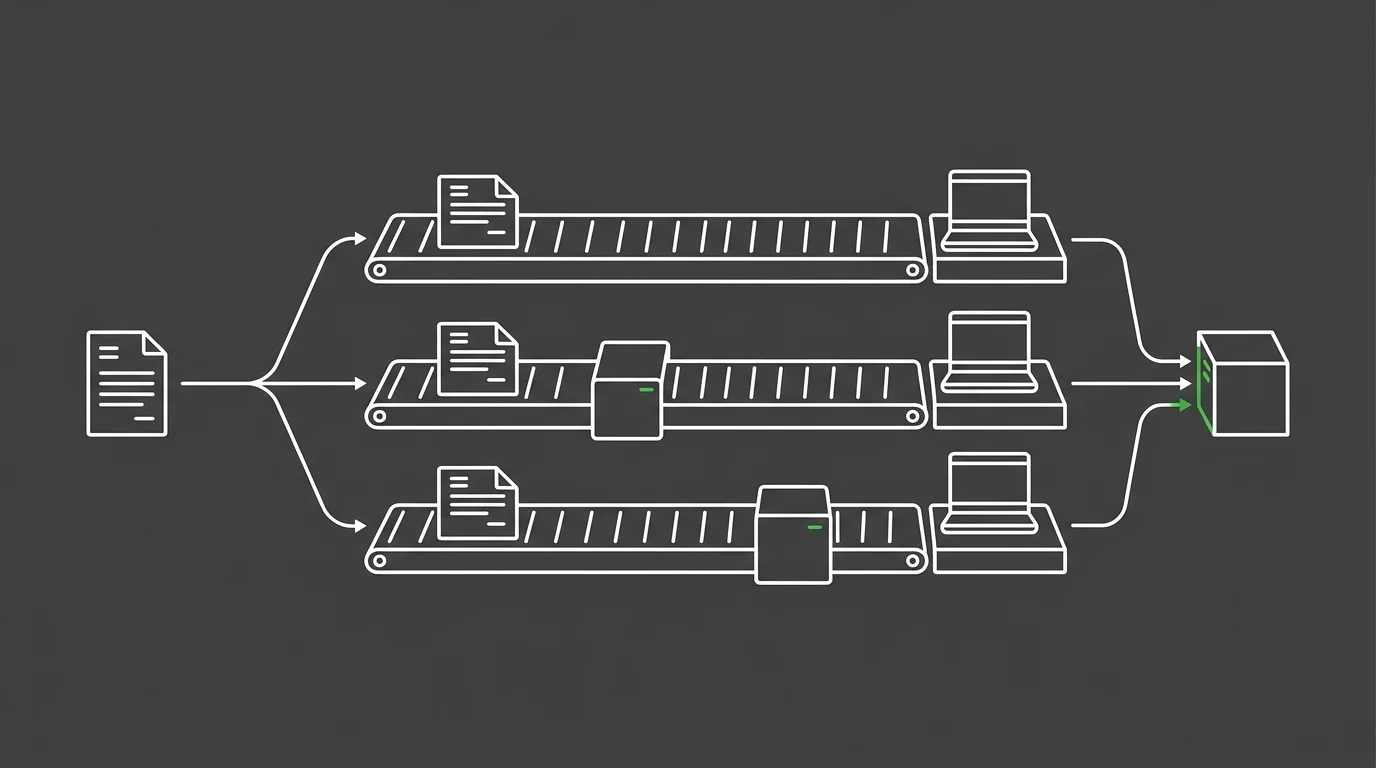
Integrated billing sounds like one feature. It isn't.
The term covers claim submission, scrubbing, clearinghouse routing, remittance posting, and secondary payer handling — five distinct jobs a platform can automate well, poorly, or not at all.
Choosing a chiropractic EHR is one of the most consequential decisions a practice owner makes, and it shapes clinical efficiency and financial health together, not separately.
Scheduling and SOAP notes matter, but the software's grip on insurance billing usually decides whether the clinic actually collects what it earns.
A platform's tools only go so far — see where Jane App, ChiroFusion, and ChiroHD billing stops for how automation gaps turn into unresolved revenue cycle work.
Where the Clearinghouse Connection Lives in Each Platform
Integrated billing looks different depending on which platform is doing the integrating. That difference starts with something more basic than posting or reporting.
Every claim leaves the building through a clearinghouse. That routing point is where the three platforms diverge first.
| Platform | Clearinghouse Connection Type | Claim Submission Route | Notable Fee Structure |
|---|---|---|---|
| Jane App | Third-party clearinghouse integration | Submission passes through an external routing vendor before reaching the payer | Transmission cost is bundled into the third-party connector rather than billed as a separate line item |
| ChiroFusion | Native clearinghouse owned by the platform | Submission routes directly from the EHR to the payer without an outside vendor hop | Transmission cost sits inside the platform's own billing structure, with no external connector fee to reconcile |
| ChiroHD | Third-party clearinghouse integration within an all-in-one system | Submission moves through an external routing partner despite the single-vendor packaging of the broader platform | Transmission cost is layered under the platform's bundled pricing, obscuring the connector's individual cost |
Native Clearinghouse Versus Third-Party Connector Routes
ChiroFusion owns its clearinghouse connection outright. Jane App and ChiroHD route through third-party connectors, which adds a vendor hop between submission and payer.
A native clearinghouse means one vendor to troubleshoot when a batch fails. A third-party connector means two support lines, two possible points of failure, and slower root-cause diagnosis. To see what those failures actually look like in the log, read a step-by-step guide to reading those error logs.
Why Most Practices Never See the Wiring Behind Their Own Claims
Most practices never see this wiring at all. Claims go out, some come back denied, and the routing layer stays invisible until something breaks.
New York workers' compensation claims illustrate the cost of that invisibility. Providers can bill up to $1.00 per transaction on CMS-1500 electronic submissions, using a designated CPT code to offset transmission cost. Published government guidance documents that providers can bill up to $1.00 per transaction to offset the cost of electronic transmission using a designated CPT code. That fee only helps if the transmission itself is clean. A misrouted batch erases any advantage the credit was meant to provide.
Where the Automation Ends and the Operator Begins
Getting a claim through the clearinghouse clean is one job. Reading what comes back is a completely different one.
That's exactly where the tools on the bench go quiet and the operator's hand takes over.
How Electronic Remittance Advice Replaces Manual Payment Posting
Electronic remittance advice exists to remove a specific kind of busywork. It can automatically post the amount payable and any adjustments straight into a billing system, line by line.
Per CMS, can automatically post the amount payable and adjustments to accounting or billing applications, eliminating manual posting work.
That automation cuts the manual keying that paper remittance advice always required. It does not decide what those adjustments mean for the practice's collections strategy.
Posting a payment and understanding it are two different tasks. ChiroFusion's native ERA posting handles the first one well.
The second task — catching an underpayment, spotting a pattern of partial denials, deciding whether an appeal is worth filing — still needs a person reading the numbers, not just a system entering them.
The Method Behind Manual Payment Posting and Why It Persists
Manual payment posting persisted for years because paper remittance advice gave staff no other option. It still shows up in practices whose EHR skips ERA automation entirely.
The method survives out of necessity, not preference. For a full breakdown of what fills the gap once ERA automation stops, see outperforms built-in EHR billing services.
How Each Platform Catches a Claim Before the Payer Does
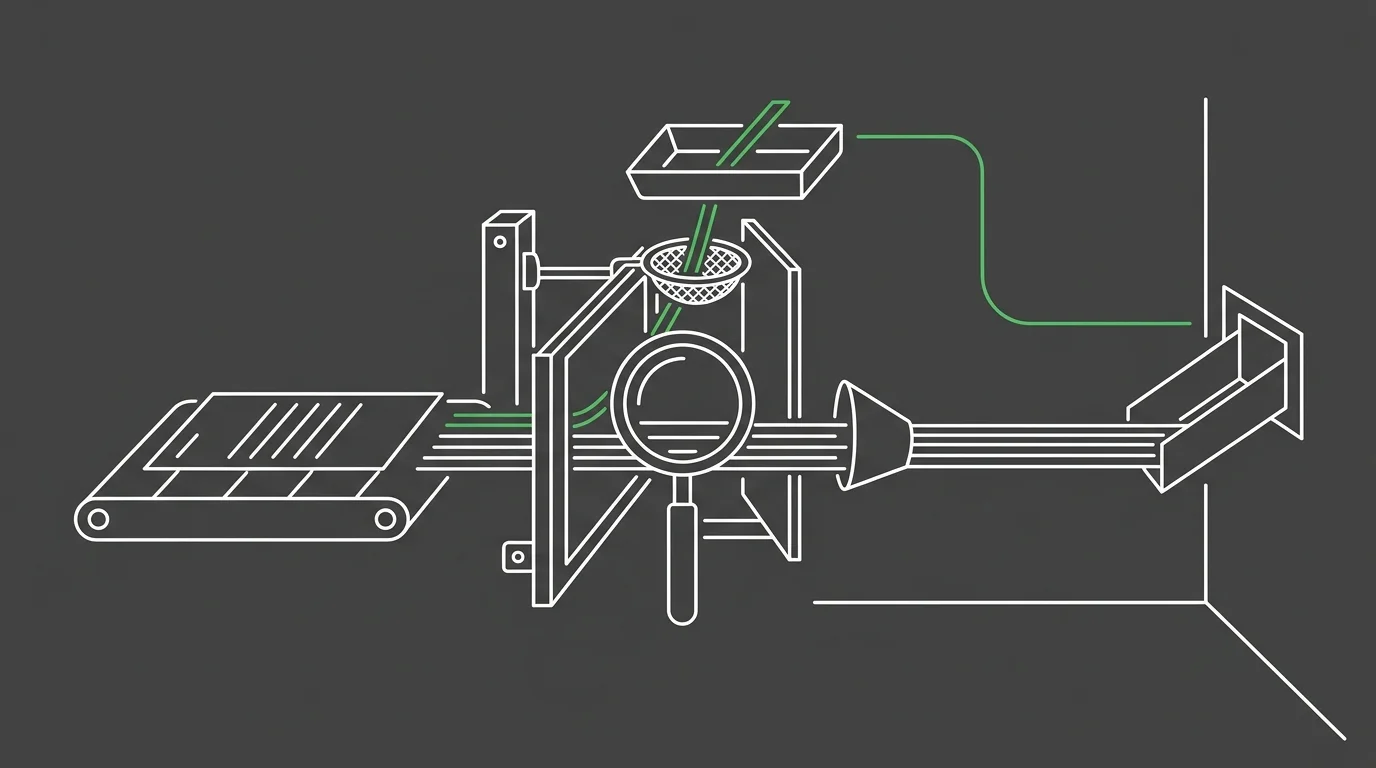
Automation ends at posting. Prevention starts earlier, and it's where the three platforms diverge again.
A claim scrubber is supposed to catch errors before submission, not after a denial arrives. That's the tool's whole job.
| Denial Category | What the Code Signals | Where Scrubbing Can Intervene |
|---|---|---|
| Administrative Denial | A code pointing to a mismatch in patient data, provider identifiers, or missing authorization rather than a clinical judgment call | A scrubber can catch this before submission if it cross-checks demographic and authorization fields against the payer's known requirements |
| Coding or Bundling Denial | A code signaling that a billed service conflicts with another line on the same claim, or falls under a bundling rule the payer enforces | Scrubbing logic tuned to CMS-standardized reason codes can flag likely bundling conflicts before the claim ever leaves the platform |
| Eligibility or Coverage Denial | A code indicating the patient's plan did not cover the service on the date billed, often tied to a lapse or plan change the practice never saw | Scrubbing can only intervene here if the platform verifies eligibility in real time, not from an outdated stored record |
| Payer-Specific Policy Denial | A code reflecting a rule unique to one commercial payer that sits outside general CMS denial logic entirely | Standardized scrubbing rarely catches this category, which is exactly where a person reviewing payer-specific patterns has to intervene |
What Standardized Denial Codes Changed About Reading a Rejection
Reading a rejection used to mean guessing at what a payer meant by its own internal shorthand. That changed in 2015, when standardization gave providers a shared vocabulary for denials. CMS's review reason codes documents that standardized denial reason codes and statements for certain services starting in 2015, which made claim denials easier to understand and gave providers more continuity across multiple contractors. A scrubber built around standardized codes can flag a likely rejection before submission, not just explain one after the fact. That still depends on the platform mapping its logic to those codes correctly.
Why Scrubbing Logic Still Misses Payer-Specific Rules
Standardized codes describe why a claim was denied. They don't predict every payer-specific rule that triggers a denial in the first place.
A scrubber tuned to general CMS logic can still miss a rule specific to one commercial payer. See help with chiropractic claim denials for how that gap gets resolved once the software's logic runs out.
Why Denied Claims Keep Coming Back No Matter Which EHR Sends Them
A denied claim doesn't stay denied because a scrubber missed something once. It comes back because the practice never fixed the workflow that let the error happen twice.
The Method Behind Rebill Loops That Never Close
Rebill loops form when staff resubmit a corrected claim without ever answering why the first one failed. The claim goes out clean, but the payer-specific gap that sank it stays wide open. Even the best EHR can't close that gap alone — billing-specific work turns into a bottleneck without dedicated expertise driving it.
What Accounts Receivable Reporting Reveals About Each Platform
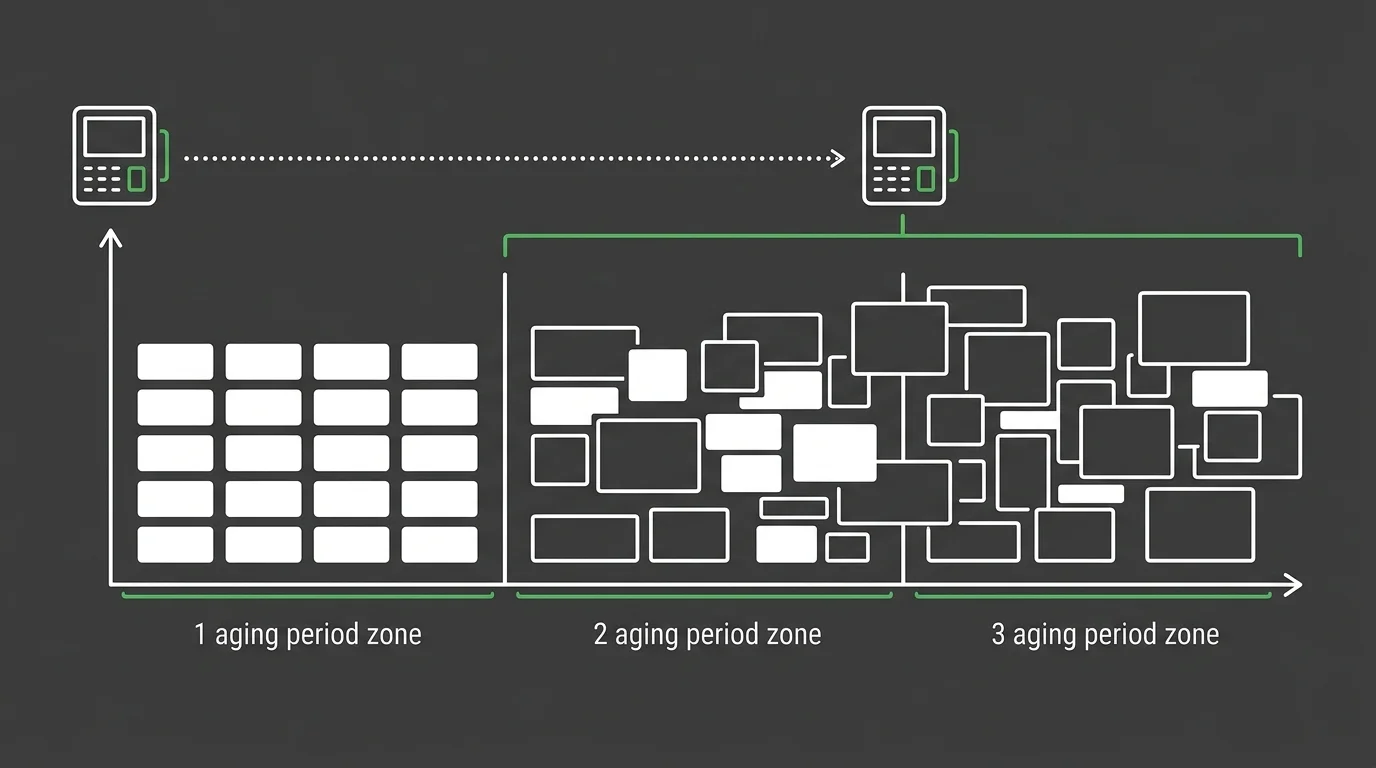
No two of these platforms report AR the same way. A denial you cleared in one system's dashboard can still be sitting untouched in another's aging bucket, and you won't always catch the gap until month end.
| AR Reporting Element | What It Should Show | Common Point of Distortion |
|---|---|---|
| Aging Bucket Placement | How long a claim has sat unresolved, grouped in consistent time bands | A claim reworked in one dashboard but left untouched in the aging report until the next cycle refreshes it |
| Denial Status Tracking | Whether a denied claim is still open, resubmitted, or closed with a final payer decision | A resubmitted claim marked closed before the payer has actually adjudicated the correction |
| Secondary Payer Balances | The remaining balance once the primary payer's adjustment has been applied and confirmed | A secondary claim showing as paid when only the primary remittance has posted, not the secondary |
| Write-Off Classification | Why a balance left the books — contractual adjustment, bad debt, or timely-filing loss | Every write-off collapsed into one generic category, hiding which reason is actually recurring |
Why Inconsistent AR Classification Breaks Financial Comparisons
Healthcare AR carries no shared classification standard across systems, and that gap has real consequences. Per this published analysis, the lack of consistent classification and valuation procedures for accounts receivable related to patient services has diminished the ability to evaluate management effectiveness of this asset and made comparisons between healthcare organizations less meaningful. A practice comparing its own numbers against an industry benchmark, or against its own prior year, is often comparing figures built on different rules. The tools on the bench can only report what they're built to track.
How Secondary Claims Move Once the Primary Payer Responds
Secondary claims follow a fixed sequence once the primary payer responds. Per published academic reference, processed along with the primary payer's payment decision via a remittance advice or electronic remittance advice. Each platform automates that handoff differently, but every one of them still requires someone to confirm the primary adjustment landed correctly before the secondary claim moves.
Frequently Asked Questions
The architecture questions got answered above. These are the mechanical ones operators actually ask before they commit to a platform.
Does ChiroFusion's built-in clearinghouse save more money than Jane App's Claim.MD integration fee?
ChiroFusion's native clearinghouse drops the separate integration fee a third-party connector tacks on. But that doesn't make it the cheaper system. It makes routing cost one variable among several.
How does ChiroHD's process for handling secondary insurance claims compare to Jane App and ChiroFusion?
All three still require the same sequence: the secondary claim can't move until someone confirms the primary payer's adjustment landed correctly. Automation speeds the handoff, but it doesn't remove that verification step.
Which of the three EHRs is fastest for posting electronic remittance advice payments?
ChiroFusion's native remittance posting clears the mechanical step fastest, since it skips a third-party hop. But speed at posting says nothing about who's reading what the payment actually means.
Can patient balance collection for co-insurance and deductibles be automated equally well in all three platforms?
None of the three platforms automate patient balance collection the same way, and none of them remove the judgment call underneath it. A system can flag a balance. It can't decide when to escalate collection or write it off.
For a practice that is primarily out-of-network, which software streamlines Superbill generation best?
It comes down to how cleanly each platform pulls out-of-network claim data into a patient-facing format. The tool can generate the document. It still can't verify the payer accepted it correctly on the back end.
What changed when CMS standardized denial reason codes for certain services?
Providers stopped guessing at payer-specific shorthand and gained a shared vocabulary for denial reasons instead. A scrubber built around that standardization can flag a likely rejection before submission, not just explain one after it lands.
What This Means
The tools on the bench were never what decided this. Jane App, ChiroFusion, and ChiroHD each hand a practice a different set of tools, and every set leaves real gaps.
The operator's hand is what closes those gaps. A clean clearinghouse connection still needs someone reading rejection codes. Automated remittance posting still needs someone judging what the numbers actually mean.
That's the platform-agnostic verdict: pick the EHR that fits a practice's claim volume and payer mix, then pair it with revenue cycle oversight built to resolve what the software can't. Bushido Billing works that way across any EHR a practice already runs, and the next step is a conversation about where the gaps actually sit — start that conversation here.