

How Can a Professional Billing Audit Help Increase My Collections in 2026?
A professional billing audit increases your collections by showing you exactly where money leaves your revenue cycle before it reaches your bank account. It examines every step from patient registration through final payment, identifies the patterns behind denials and delays, and gives you a clear plan for addressing them.
Most practice owners have a sense that collections could be better. Maybe your AR aging report shows more claims in the 60-90 day buckets than you’d like. Maybe denials keep coming back for reasons that seem inconsistent from month to month.
The challenge is that billing issues rarely announce themselves clearly.
A missing modifier here. An outdated fee schedule there. A registration process that doesn’t catch eligibility gaps consistently. Each issue feels manageable on its own, but together they add up to meaningful revenue that never makes it to your account.
CMS data shows the improper payment rate for chiropractic services reached 33.6% in 2024. Insufficient documentation accounted for 95.5% of those improper payments. That’s not a reflection of coding skill. It’s a documentation workflow issue, and those kinds of systemic gaps are exactly what a comprehensive audit uncovers.
A professional billing audit gives you the information you need to start identifying revenue leakage at its source. From there, you can make informed decisions about what to fix first and how.
What a Professional Billing Audit Actually Examines

A billing audit is a structured review of how money moves through your practice. It looks at the entire journey from appointment scheduling through final payment posting, examining each step for gaps that might be affecting your collections.
Here’s what that review typically covers.
Claims Submission and Denial Patterns
The audit starts with your claims data. This means pulling reports from your clearinghouse (platforms like Claim.MD or Availity) and looking at what happens after claims are submitted.
Auditors look for denial trends by payer, by code, and by provider. They identify which claims pass through cleanly on first submission and which ones require additional work. They calculate your first-pass resolution rate, which industry benchmarks suggest should be at least 90%.
For chiropractic practices, certain patterns tend to appear. Missing AT modifiers on Medicare claims. Subluxation documentation that doesn’t meet current specificity requirements. Medical necessity language that could be stronger.
Industry research shows that about 30% of chiropractic claims face denial on first submission. A professional audit tells you which specific denial categories are showing up most often in your practice, so you know where to focus your attention.
Documentation and Coding Accuracy
Documentation is the foundation of billing.
The audit examines whether your clinical notes support the codes you’re submitting. It’s not enough to perform a 98941 adjustment. Your documentation needs to clearly establish the medical necessity, the specific subluxation levels treated, and the functional outcomes you’re tracking.
An Office of Inspector General audit found that 89% of chiropractic Medicare claims lacked sufficient documentation. That finding reflects how much documentation requirements have evolved over time. Many practices are using workflows that made sense five years ago but haven’t been updated to match current expectations.
Coding reviews also identify undercoding, which represents revenue you’ve earned but aren’t capturing. Some chiropractors leave money on the table by not billing separately identifiable E/M services when the clinical situation supports it, or by not using modifier 25 in circumstances where it applies.
Accounts Receivable Health
Your AR aging report contains useful information, but interpreting it well requires context.
A professional audit benchmarks your AR against industry standards. Well-run practices typically keep Days in AR below 35 days. The MGMA benchmark for AR older than 90 days is around 13.5%.
If your numbers are higher, the audit helps identify why. Common reasons include claims sitting in pending status without follow-up, delays in secondary insurance billing, and patient balances that aren’t being addressed systematically.
Understanding where your AR sits and why gives you the information you need to take active revenue defense measures.
Understanding the Financial Context for 2026

Before investing in an audit, it helps to understand the broader financial picture facing chiropractic and PT practices.
Knowing these trends helps clarify why reducing chiropractic denial rates through systematic review has become such a practical priority.
Medicare Reimbursement Context
The 2025 Medicare Physician Fee Schedule included a 2.8% payment reduction for chiropractic manipulation codes (CPT 98940-98942). The 2026 fee schedule shows a conversion factor increase to $33.40 for non-qualifying APM participants, which helps offset some of that reduction.
The American Medical Association notes that Medicare physician reimbursement has declined 29% since 2001 when adjusted for inflation. For practices that see significant Medicare volume, this context makes it worthwhile to ensure every valid claim gets paid correctly.
A billing audit helps you collect what you’re entitled to by ensuring claims are submitted accurately the first time.
Operating Cost Trends
According to MGMA polling, 90% of medical groups reported higher operating costs in 2025, with an average increase of 11%. Staff wages, rent, supplies, and technology expenses continue to rise.
When operating costs increase while reimbursement stays relatively flat, the revenue you’re already earning becomes more valuable. A billing audit doesn’t bring in new patients, but it helps ensure you’re collecting what you’ve already worked to earn.
The Real Cost of Denials
Denied claims affect your practice in two ways. There’s the revenue that doesn’t come in, and there’s the staff time spent investigating, correcting, and resubmitting.
The table below shows how common denial scenarios can add up over a year:
| Denial Category | Average Claims/Month | Avg. Claim Value | Monthly Revenue Affected | Annual Impact |
|---|---|---|---|---|
| Missing AT Modifier | 15 | $45 | $675 | $8,100 |
| Documentation Gaps | 20 | $52 | $1,040 | $12,480 |
| Medical Necessity | 12 | $48 | $576 | $6,912 |
| Timely Filing | 5 | $55 | $275 | $3,300 |
| Eligibility Issues | 8 | $50 | $400 | $4,800 |
| Total | 60 | – | $2,966 | $35,592 |
For a mid-sized chiropractic practice, preventable denials can add up to $35,000 or more annually. A professional audit typically costs a fraction of that while showing you exactly where those issues originate.
Key Metrics a Professional Audit Assesses

Understanding which metrics matter helps you evaluate your current performance and recognize what improvement looks like.
These benchmarks come from MGMA, HFMA, and industry-specific data for chiropractic and allied health practices.
Net Collection Ratio
Your net collection ratio measures how much you actually collect compared to what you’re entitled to collect after contractual adjustments.
The MGMA benchmark is 96%. Well-organized practices typically achieve 95% or higher. If your NCR falls below 90%, there’s likely room to improve.
A billing audit identifies where collection gaps occur. This might include uncollected patient balances, underpayments from payers that go unnoticed, or write-offs happening before all collection options are exhausted.
Days in Accounts Receivable
This metric tracks how long revenue sits uncollected.
| Performance Level | Days in AR | What It Suggests |
|---|---|---|
| Strong | Under 30 days | Efficient billing and follow-up |
| Typical | 30-45 days | Room for improvement |
| Below Average | 45-60 days | Delays worth investigating |
| Needs Attention | Over 60 days | Cash flow may be affected |
Industry data suggests 80% of your receivables should fall within the 0-30 day range. When aging AR increases, it usually signals claims getting stuck somewhere in the process or follow-up that could be more consistent.
Denial Rate
The general industry denial rate runs 5-10%, though current trends show rates moving toward 11-12% across healthcare. For chiropractic practices, research indicates about 30% of claims face initial denial.
A reasonable target is under 5%. Well-organized practices often maintain denial rates below 3%.
A professional audit breaks down your denials by category, showing whether issues stem from coding, documentation, eligibility verification, or payer-specific requirements.
Clean Claim Rate
Clean claims are those that process without rejection or denial on first submission.
The benchmark is 95% or higher, with well-run practices achieving 98%. Each percentage point improvement translates directly to faster payment and less rework for your team.
How Audits Address Current Industry Trends

The billing environment continues to evolve in ways that make professional audits particularly useful.
Payers have increased their review processes. Medicare Administrative Contractors have expanded automated claim screening. Commercial insurers increasingly use software to identify billing patterns before human reviewers see claims.
Staying Ahead of Payer Reviews
Chiropractic audits by payers increased 47% from 2022 to 2024. Data shows 80% of those audits resulted in claim recoupments, which underscores the value of having documentation that meets current standards.
A proactive internal audit identifies the same gaps that payer reviews look for. You address them on your own timeline rather than in response to an external audit request.
The most common review triggers include high claim volume relative to peers, frequent use of higher-level codes, and billing patterns that differ from regional norms. Understanding where your practice falls relative to these patterns helps you read an AR aging report with more context.
Documentation Standards Continue Evolving
CMS and commercial payers continue refining what constitutes adequate documentation.
For chiropractic services, this means clearly establishing the subluxation with specific level identification, documenting functional limitations using standardized outcome measures, and distinguishing active treatment from maintenance care with clear criteria.
A professional audit reviews your documentation templates and workflows against current requirements, not what was standard a few years ago.
Technology Configuration Matters
Many practices have invested in EHR systems like ChiroTouch or JaneApp, but the software itself doesn’t guarantee accurate billing. The audit examines whether your systems are configured correctly, whether your team uses them consistently, and whether data flows accurately between clinical documentation and claim submission.
Technology misconfigurations create errors that are hard to spot in day-to-day operations. A field that auto-populates incorrectly, a modifier that doesn’t carry forward, a diagnosis order that doesn’t meet payer requirements. These issues persist until someone looks at the system specifically to find them.
The Audit Process: What to Expect

Understanding what happens during an audit helps you prepare and get the most value from the process.
Professional audits typically follow a structured approach that moves from data gathering through analysis to actionable recommendations.
Phase One: Data Extraction and Baseline Assessment
The audit begins with pulling data from your practice management system, EHR, and clearinghouse. This includes claim submission history, denial reports, payment posting records, and AR aging detail.
Auditors establish baseline metrics for your current performance. This snapshot becomes the comparison point for measuring improvement after you implement recommendations.
You’ll also provide access to fee schedules, payer contracts, and documentation templates. The auditor needs to understand not just what’s happening but what should be happening based on your agreements and workflows.
Phase Two: Pattern Analysis and Root Cause Identification
This is where the detailed review happens.
Auditors examine denial trends to identify which issues occur repeatedly versus which are isolated incidents. They trace problems back to their origin, determining whether denials stem from front-desk registration gaps, clinical documentation factors, coding choices, or claim submission timing.
The analysis also benchmarks your performance against industry standards and identifies areas that warrant closer attention.
Phase Three: Findings Report and Recommendations
The deliverable is a comprehensive report detailing what the audit found and what to do about it.
Useful audit reports prioritize findings by impact. They indicate which issues to address first based on the revenue involved and the effort required to fix them. Quick wins get highlighted alongside longer-term process improvements.
Recommendations include specific action steps rather than general guidance. Instead of “improve documentation,” a helpful audit explains exactly which documentation elements need attention, provides examples or templates, and suggests workflow changes to prevent the same issues from recurring.
Phase Four: Implementation Support
Some audit providers stop at the report. Others help you actually implement changes.
This might include staff training on coding and documentation, system configuration adjustments, or ongoing monitoring to ensure improvements stick. The goal is lasting improvement, not just a document.
How Professional Audits Complement Your Team’s Work

Some practice owners wonder how a professional audit relates to the reviews their office manager already conducts.
The answer: they serve different purposes, and both have value.
What Internal Reviews Do Well
Your team’s ongoing reviews catch day-to-day issues. They verify that charges were entered and claims were submitted. They flag claims that have been sitting too long in pending status.
Your office manager knows your practice, your patients, and your workflows. That familiarity is valuable for maintaining consistent operations.
Internal reviews work best for keeping current claims moving and catching obvious errors before they become problems.
What Professional Expertise Adds
Professional auditors bring a different perspective.
They see billing operations across many practices, which helps them recognize patterns. They stay current on payer requirement changes, know which documentation gaps trigger the most denials, and understand how different coding approaches affect reimbursement.
That human intelligence in billing adds context that’s difficult to develop when you’re focused on running a single practice day to day.
The table below summarizes how each approach contributes:
| Aspect | Internal Review | Professional Audit |
|---|---|---|
| Frequency | Ongoing/monthly | Annual or as needed |
| Scope | Current claims, immediate issues | Full revenue cycle, historical patterns |
| Benchmarking | Internal comparison | Industry-wide data |
| Expertise | Deep practice knowledge | Specialized billing and coding |
| Perspective | Familiar with your workflows | Fresh look at your systems |
| Best For | Daily operations | Systemic improvements |
Many practices benefit from both. Internal reviews keep things running smoothly. Professional audits identify the bigger-picture improvements that take performance to the next level.
Putting Audit Findings to Work
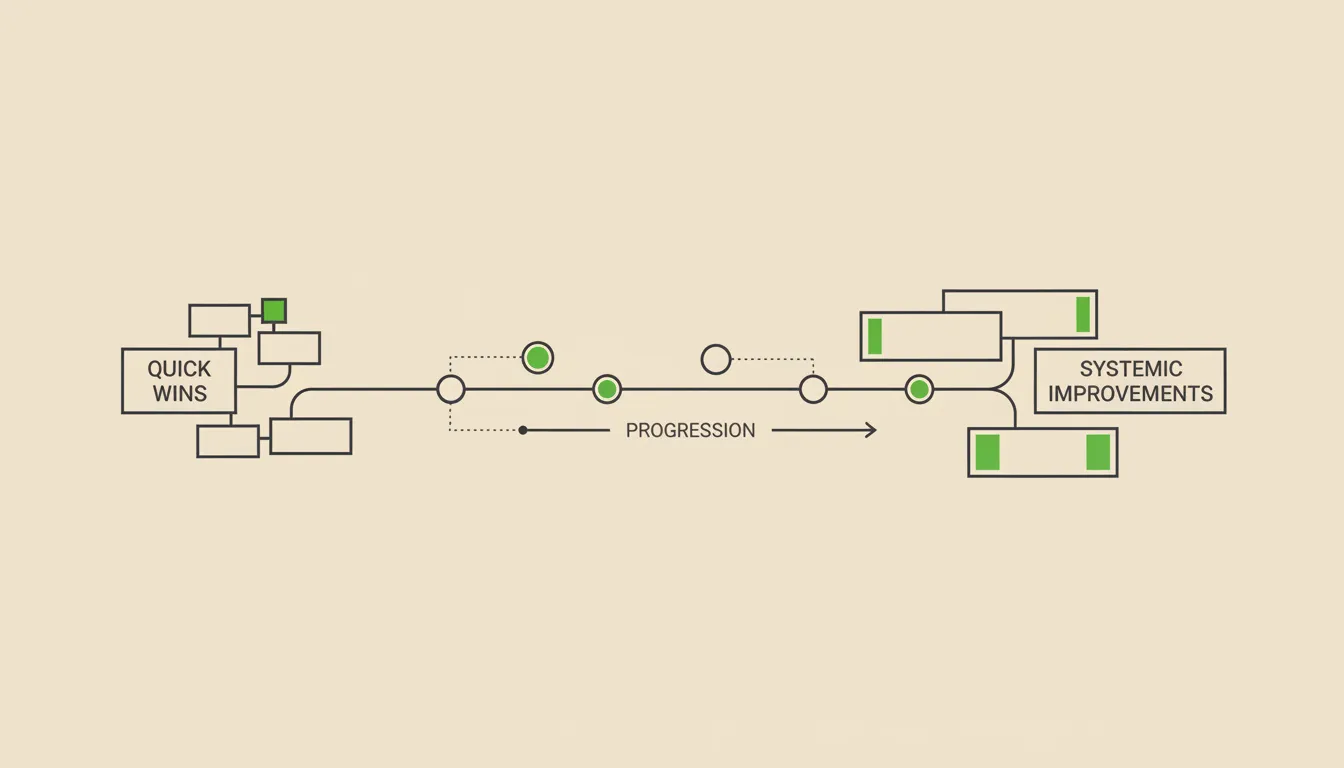
An audit creates value when you act on what it reveals.
The practices that see the most improvement treat audit findings as a roadmap. They prioritize the highest-impact items, assign clear ownership for each action step, and track progress over time.
Start with Quick Wins
Begin with the straightforward fixes. If the audit shows you’re missing the AT modifier on a percentage of Medicare claims, that’s a quick correction. The coding change takes minutes, and the revenue impact starts with your next submission.
Other common quick wins include:
- Correcting diagnosis code sequencing
- Updating fee schedules that haven’t been reviewed in over a year
- Fixing registration fields that consistently cause eligibility rejections
- Adding missing documentation elements to clinical note templates
These changes require minimal effort but often produce measurable improvement within one or two billing cycles.
Address Systemic Issues
Then tackle the larger workflow changes. If documentation gaps are contributing to denials, invest in template updates and staff training. If AR aging shows claims sitting too long without follow-up, build a more structured workflow for securing predictable clinic cash flow.
Systemic improvements take longer to implement but create lasting change. They’re the difference between fixing individual problems and preventing categories of problems from recurring.
Progress matters more than perfection. Moving your denial rate from 15% to 8% represents real improvement, even if the industry benchmark is 5%.
Frequently Asked Questions
What is a normal error rate in a chiropractic billing audit?
Industry data shows chiropractic practices typically have error rates between 5-15% on submitted claims. However, CMS reports that the improper payment rate for chiropractic services reached 33.6% in 2024, with insufficient documentation accounting for 95.5% of those improper payments.
A professional audit helps identify where your practice falls on this spectrum and pinpoints specific areas for improvement.
How much revenue is typically recovered after a professional audit?
Recovery amounts vary based on practice size, current processes, and the types of issues identified.
Practices that implement audit recommendations typically see 25-40% reductions in denials. For a practice experiencing $5,000 monthly in preventable denials, that improvement translates to $15,000-$24,000 in recovered annual revenue.
Does a billing audit help with payer audit preparedness?
Yes. A proactive internal audit identifies and corrects documentation gaps before payers or Medicare Administrative Contractors review your claims.
With chiropractic payer audits increasing 47% from 2022 to 2024, having documentation that meets current standards is a practical form of preparation.
How often should a chiropractic practice perform a billing audit?
Most practices benefit from quarterly reviews of key metrics and a comprehensive annual audit examining all processes.
Practices going through significant changes-new providers, software transitions, or noticeable increases in denial rates-often find it helpful to audit soon after those changes.
What is the difference between a coding audit and a billing audit?
A coding audit focuses specifically on whether the correct CPT and ICD-10 codes match the services documented.
A billing audit is broader, examining the entire revenue cycle from patient registration through final payment posting. It includes coding accuracy but also evaluates claim submission timing, denial patterns, AR aging, payer contract compliance, and collection processes.
How long does it take to see improvement after an audit?
Most practices see measurable improvement within 60-90 days of implementing audit recommendations.
Quick wins like correcting modifier usage or fixing registration errors often show results within the first billing cycle. Workflow changes typically take 2-3 months to fully reflect in collection rates.
Will a billing audit reveal problems with my staff?
A billing audit identifies process gaps rather than personnel issues.
When audits uncover high denial rates or slow AR turnover, the root cause is usually unclear workflows, insufficient training resources, or system limitations rather than individual performance. The audit provides information to build better systems that support your team.
Conclusion
A professional billing audit replaces guesswork with clarity.
Instead of wondering why collections feel slower than they should, you’ll know exactly where revenue gets held up and have a plan to address it. Instead of reacting to individual denials, you’ll understand the patterns causing them.
For chiropractic and allied health practices, that clarity supports better financial stability and lets you focus more energy on patient care. When you understand your billing performance clearly, you can make informed decisions about where to invest your time and resources.
The data consistently shows that documentation gaps, coding issues, and process inefficiencies cost practices meaningful revenue each year. Identifying and addressing those issues is straightforward work that typically pays for itself.
If your AR report has claims that never seem to resolve, or you’ve noticed denial rates that feel higher than they should be, you’re not alone. Most clinic owners we work with started in exactly the same place.
That’s why we offer a free discovery call. It’s a chance to talk through your current billing situation and get clarity on what’s working, what’s not, and what your options are.
We’ll help you understand:
- Where your claims might be getting stuck
- What’s causing denials or delays
- Whether your AR looks healthy or could use attention
- How your current process compares to what we typically see
- What a partnership with Bushido would actually look like
Book a Call – no pressure, no obligation, just a straightforward conversation about your billing.
You’ve already done the work to earn this revenue. We can help you figure out how to collect it.

© . All Rights Reserved | Web Design by iTech Valet