

What Are the HIPAA Risks of Using a Remote Billing Team in 2026?

Remote billing teams can be fully HIPAA compliant. The key is understanding what safeguards need to be in place and knowing what to look for when evaluating potential partners.
The location of your billing team matters less than how they're set up. A well-organized remote billing partner with proper security infrastructure, clear policies, and documented training often provides stronger protection than an overwhelmed office manager trying to handle billing between patient check-ins. What matters is the system around them.
This article walks through the specific considerations for remote billing relationships in 2026, including the regulatory updates on the horizon and the practical safeguards that make remote work secure. We'll cover what a compliant setup looks like, which questions help you evaluate potential partners, and how to structure agreements that protect your practice.
The Department of Health and Human Services (HHS) has proposed meaningful updates to the HIPAA Security Rule that would standardize requirements around multi-factor authentication, encryption, and incident reporting. Understanding these changes helps you have more informed conversations with any billing partner, whether they work remotely or down the hall.
Think of this as a practical guide to active revenue defense on the compliance side. When you know what good looks like, you can make confident decisions about who handles your billing.
The 2026 Regulatory Landscape: What's Changing
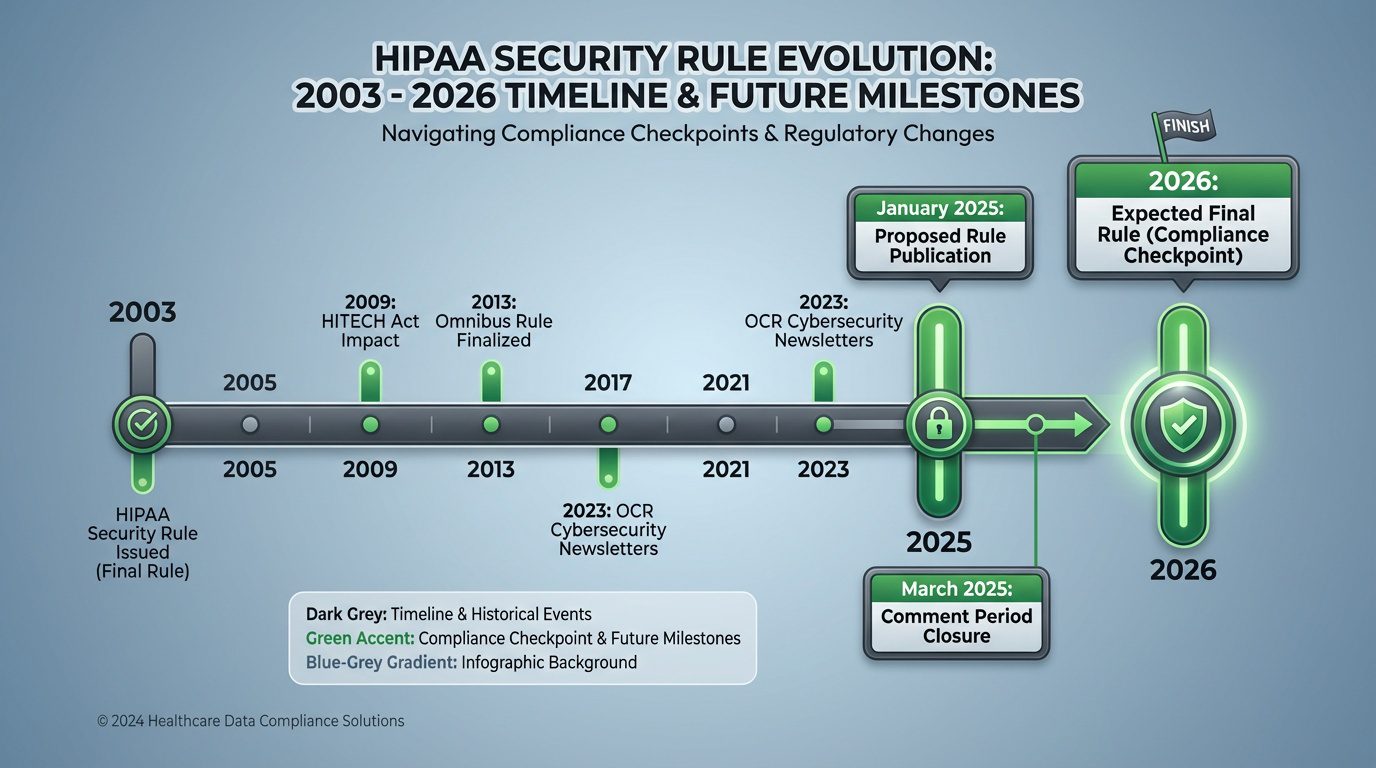
The HIPAA Security Rule hasn't had a major update since 2003. The proposed changes bring the framework in line with how healthcare actually operates today, including the reality that remote work is now standard practice across the industry.
Here's what's worth understanding about the proposed updates.
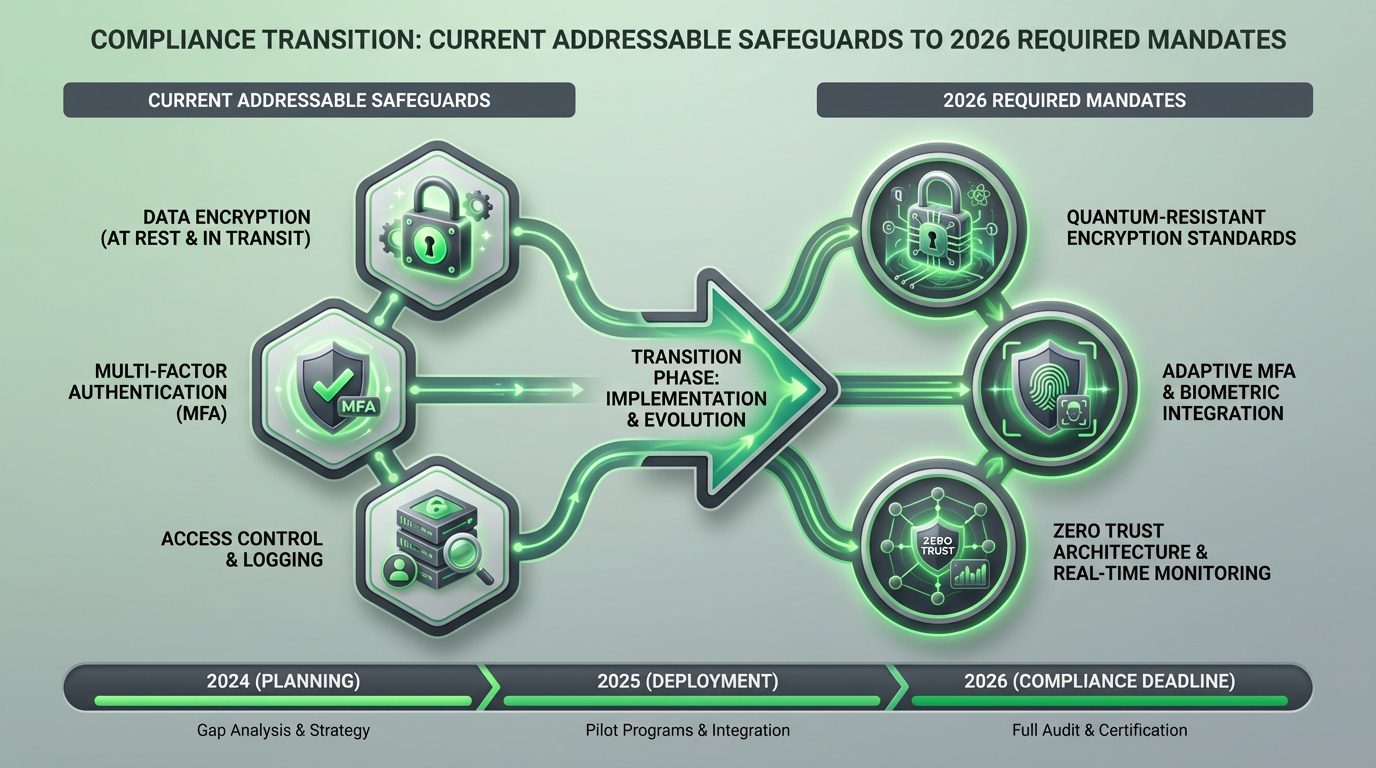
Moving from "Addressable" to "Required"
Under current rules, some security measures are classified as "addressable" rather than "required." This has given organizations flexibility to implement alternative controls when a specific safeguard didn't fit their situation.
The proposed updates would make most implementation specifications mandatory. According to HHS documentation, this change reflects the reality that modern security standards should be baseline expectations, not optional considerations.
The practical impact: encryption for data at rest and in transit would become a standard requirement rather than something you can document around. For remote billing relationships, this means every device and every transmission touching patient data should use proper encryption. This is already best practice for reducing chiropractic denial rates and protecting the data integrity that makes clean claims possible, and the proposed rules would formalize it.
Multi-Factor Authentication Standards
The proposed rules would require MFA for all systems accessing electronic protected health information (ePHI). This includes EHR platforms, clearinghouse portals, and practice management software.
According to Duo Security's analysis of the proposed amendments, this requirement addresses the fact that passwords alone don't provide adequate protection against modern security threats. MFA adds a meaningful layer of verification.
When you're evaluating billing partners, asking about their MFA implementation gives you useful insight into their overall security approach. A partner who already has MFA in place across all systems is operating at the level these regulations anticipate.
Faster Incident Notification
Currently, business associates must notify covered entities of breaches within 60 days. The proposed updates would tighten this considerably, with business associates potentially needing to notify covered entities within 24 hours of activating their contingency plan.
This timeline reflects the value of quick communication when something goes wrong. The sooner you know about an issue, the sooner you can respond appropriately.
When reviewing Business Associate Agreements, the notification timeline is worth discussing. Best practice agreements already include faster notification windows than the current 60-day requirement.
The February 16, 2026 Part 2 Deadline
A separate compliance date affects practices that work with patients receiving substance use disorder (SUD) treatment. The alignment of 42 CFR Part 2 with HIPAA requires updated Notices of Privacy Practices by February 16, 2026.
SAMHSA and OCR's final rule modernizes how SUD records can be used and disclosed while maintaining important privacy protections. If your practice receives referrals from SUD treatment programs or coordinates care for patients with SUD history, this may affect your documentation and your billing agreements.
This is worth reviewing with your billing partner to make sure everyone understands how these records should be handled.
Understanding Remote Billing Considerations
When billing happens outside your physical office, different safeguards become relevant. Understanding these helps you have productive conversations with potential partners and evaluate their approach.
Network Security
When a biller connects to your systems from their home or another location, the security of that connection depends on their network setup. An unsecured WiFi network creates a potential access point that a secured connection avoids.
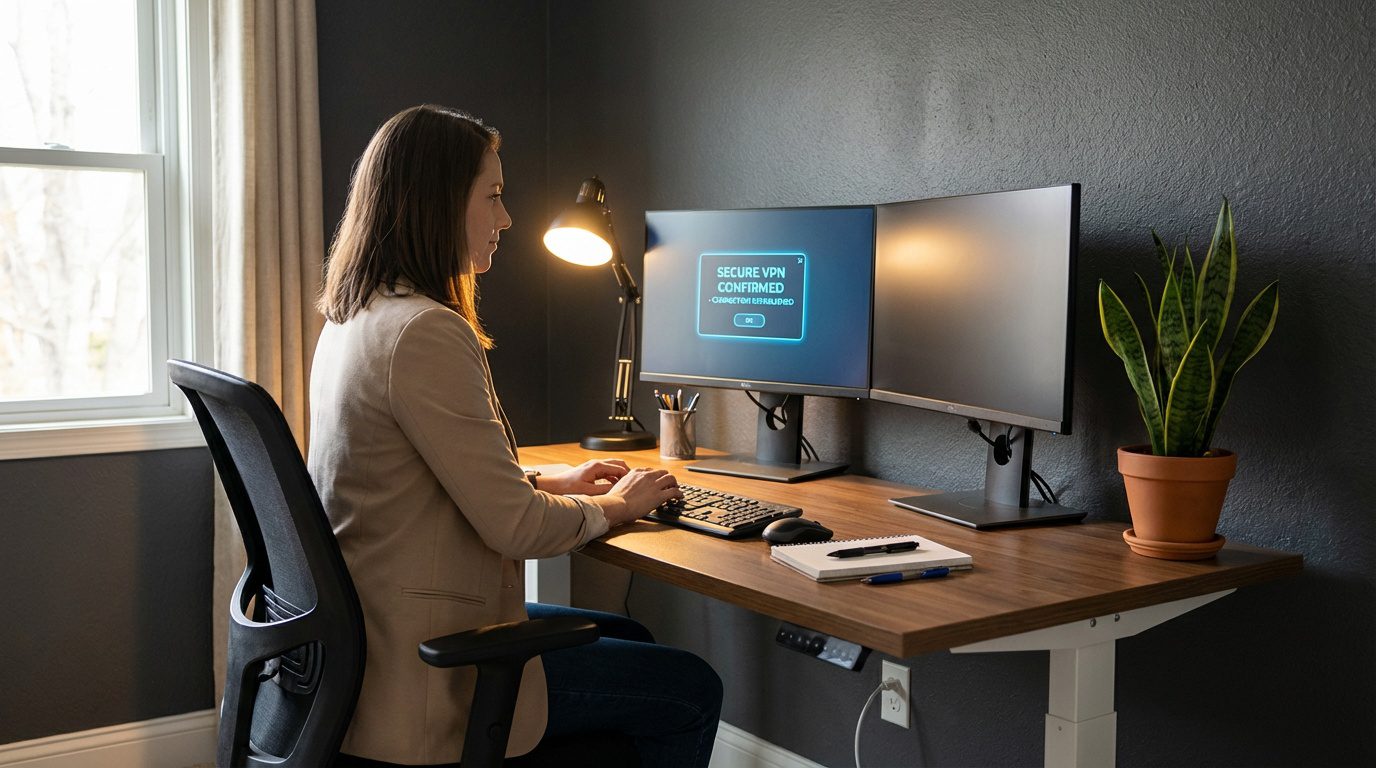
Professional billing operations address this through mandatory VPN use. A VPN creates an encrypted connection between the biller's device and the systems they're accessing, protecting data in transit regardless of the underlying network.
When talking with billing partners, it's helpful to understand their network requirements. Is VPN access required for all remote work? Are there technical controls that enforce this, or does it rely on individual compliance? Understanding their approach tells you something about how systematically they handle security.
Device Management
Personal device policies need clear structure to work well. A laptop shared with family members or a tablet without proper security configuration creates different considerations than a company-managed device with built-in controls.
According to the HIPAA Journal's guidance on mobile devices, the portability of mobile devices creates practical considerations around loss, theft, and access that desktop computers don't share. Devices that store PHI locally or maintain access to PHI need appropriate protections.
Professional billing operations typically take one of two approaches: providing company-issued devices with pre-configured security settings, or establishing structured BYOD (Bring Your Own Device) programs with documented requirements and Mobile Device Management software. Both can work well when implemented thoughtfully.
Physical Workspace Considerations
Training and Compliance Culture
Technical controls work best when supported by knowledgeable people who understand why they matter. A billing partner's approach to training tells you something about their overall compliance culture.
Remote work creates opportunities for shortcuts that might seem harmless in the moment but create inconsistency over time. A strong training program helps team members understand not just the rules, but the reasoning behind them.
When evaluating partners, asking about their training approach can be illuminating. How often do team members complete HIPAA training? Is it specific to their role and the situations they encounter? How does the organization reinforce compliance expectations over time? These questions help you understand whether compliance is embedded in their culture or treated as a checkbox.
What a Well-Organized Remote Billing Relationship Looks Like
Knowing what good looks like helps you recognize it. When human intelligence in billing is supported by solid infrastructure, you get both the judgment that catches problems and the systems that prevent them.
Technical Safeguards Worth Looking For
A well-organized billing operation demonstrates specific technical controls. These represent standard practice for professional organizations handling protected health information.
Table 1: Technical Safeguards for Remote Billing Teams
| Access Control | Unique user IDs with role-based permissions | Creates accountability and supports the Minimum Necessary standard |
| Authentication | Multi-factor authentication on systems accessing ePHI | Provides meaningful protection beyond passwords |
| Encryption | AES-256 encryption for stored data and TLS 1.2+ for transmitted data | Makes data unreadable if intercepted |
| Network Security | Required VPN for all remote access | Protects connections regardless of underlying network |
| Device Management | Company-controlled devices or structured BYOD with oversight | Enables appropriate configuration and response capabilities |
| Audit Controls | Logging of access to systems containing PHI | Supports compliance verification and incident investigation |
When you're talking with potential partners, asking about these specific areas helps you understand their approach. Partners who can describe their controls in concrete terms are typically operating at a higher level than those who speak in generalities.
Administrative Structure
Technical controls need supporting processes to remain effective over time. Documentation, training, and planning all play a role.
- Written Policies - A billing company should have documented security policies that address remote work specifically. These policies should cover network requirements, device handling, workspace standards, and incident reporting.
- Regular Risk Assessments - Risk assessments help organizations identify and address gaps. Your billing partner should conduct documented assessments and be willing to discuss their approach.
- Workforce Training - Every team member with PHI access should complete HIPAA training at hire and on an ongoing basis. Training should be documented, and attestations should be available upon request.
- Incident Response Planning - A clear plan for how to handle potential incidents helps everyone respond appropriately if something comes up. Ask about their incident response procedures and when the plan was last reviewed.
Physical Safeguards for Home Offices
Even in remote settings, physical considerations matter. Billing partners should have documented requirements for home office configurations.
Remote workers should have workspace areas where screens aren't visible to unauthorized individuals. This might mean a separate room or thoughtful positioning of monitors.
Any paper documents containing PHI should be stored securely and properly destroyed when no longer needed. Professional billing operations often minimize paper handling entirely, but when paper is involved, clear procedures should exist.
Devices should be secured when not in use, with screen locks engaging automatically after brief periods of inactivity.
The Business Associate Agreement
The BAA establishes the legal framework for your relationship and defines your billing partner's compliance obligations. A thoughtfully constructed BAA should address several key areas.
Table 2: Key BAA Components for Remote Billing Relationships
| Permitted Uses | Specific description of how PHI can be used, limited to billing functions | Broad language that doesn't clearly define scope |
| Security Requirements | Explicit requirements for MFA, encryption, VPN, and device controls | Generic references to "reasonable safeguards" without specifics |
| Incident Notification | Clear timeline for incident notification (24-72 hours is best practice) | Only committing to the 60-day minimum |
| Subcontractor Controls | Requirements for downstream vendors to meet equivalent standards | No mention of subcontractor oversight |
| Verification Rights | Ability to verify compliance through evidence, not just attestation | Resistance to providing documentation |
| Termination Procedures | Clear process for return or destruction of PHI at contract end | Vague data disposition requirements |
HHS provides sample language for Business Associate contracts. A professional billing partner's standard agreement should meet or exceed these provisions. Reviewing their standard BAA before signing gives you insight into how they approach the relationship.
Understanding the Stakes
Compliance represents an investment in protection. Understanding what's at stake helps contextualize that investment.
Financial Context
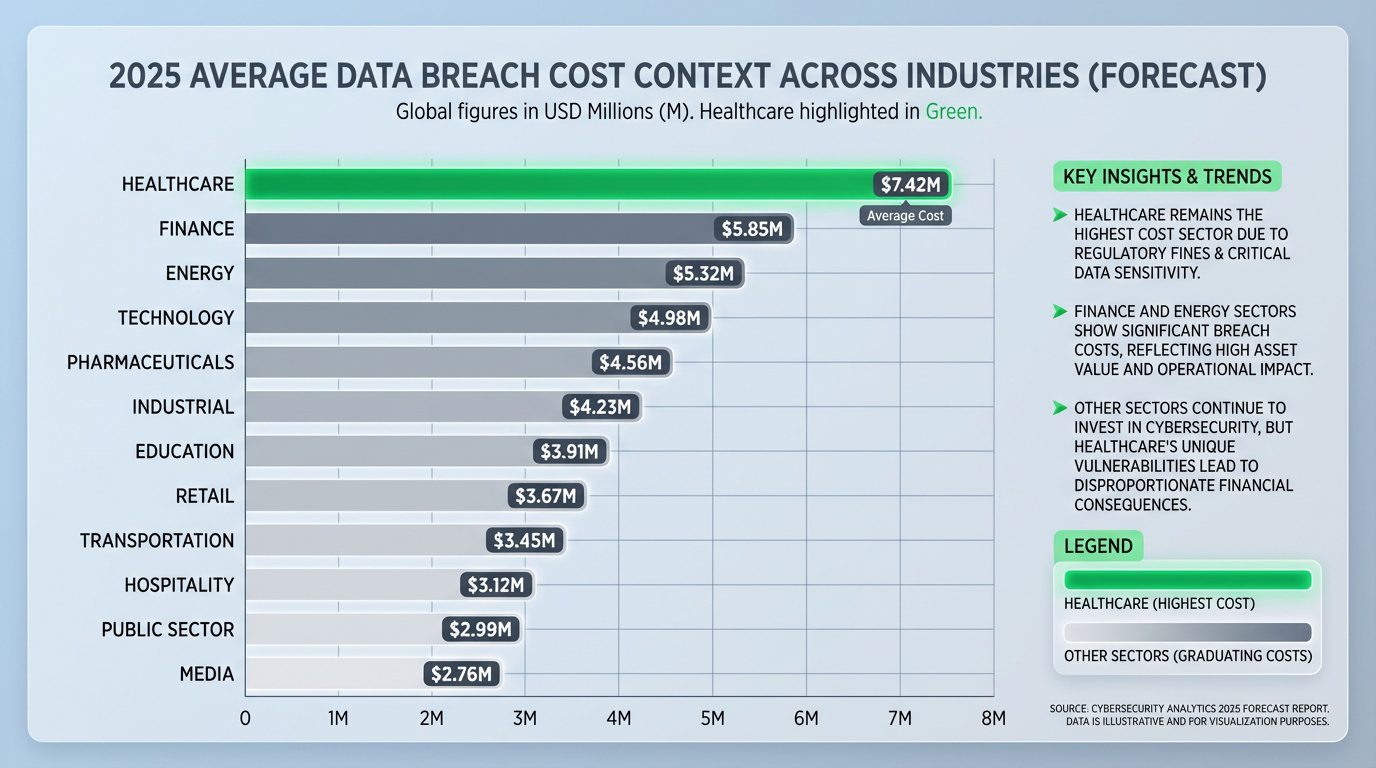
According to IBM's 2025 Cost of a Data Breach Report, healthcare data breaches remain the most expensive across all industries. The average healthcare breach costs $7.42 million.
That figure includes detection and investigation costs, response and remediation expenses, and business impact. The HIPAA Journal's analysis notes that these costs can vary significantly based on how quickly an issue is identified and contained.
For context, organizations with strong security infrastructure and quick detection capabilities typically see lower costs than those without. This underscores the value of working with partners who have robust systems in place.
Time to Detection
Healthcare breaches take longer to identify and contain than breaches in other industries. The average breach lifecycle in healthcare is 279 days, over five weeks longer than the average across all sectors.
This extended timeline is part of why healthcare costs tend to be higher. The longer an issue goes undetected, the more it can expand.
Working with a billing partner that maintains strong audit controls and monitoring capabilities supports faster detection. This is one of the practical advantages of partnering with an organization that has invested in proper infrastructure.
Regulatory Penalties
HIPAA penalties are structured in tiers based on the circumstances involved.
- Tier 1 - $141 to $35,581 per violation for violations where the entity was unaware
- Tier 2 - $1,424 to $71,162 per violation for violations due to reasonable cause
- Tier 3 - $14,232 to $71,162 per violation for willful neglect that is corrected
- Tier 4 - $71,162 to $2,134,831 per violation for willful neglect that is not corrected
The IBM report notes that about a third of organizations paid regulatory fines following a data breach. Working with partners who prioritize compliance helps you maintain a defensible position.
Trust and Relationships
Patients share sensitive information with you because they trust you to protect it. That trust is foundational to the patient-provider relationship.
For practices that rely on community reputation and word-of-mouth referrals, maintaining that trust is both an ethical responsibility and a practical necessity. Working with billing partners who share your commitment to protecting patient information reinforces that trust.
Questions That Help You Evaluate Partners
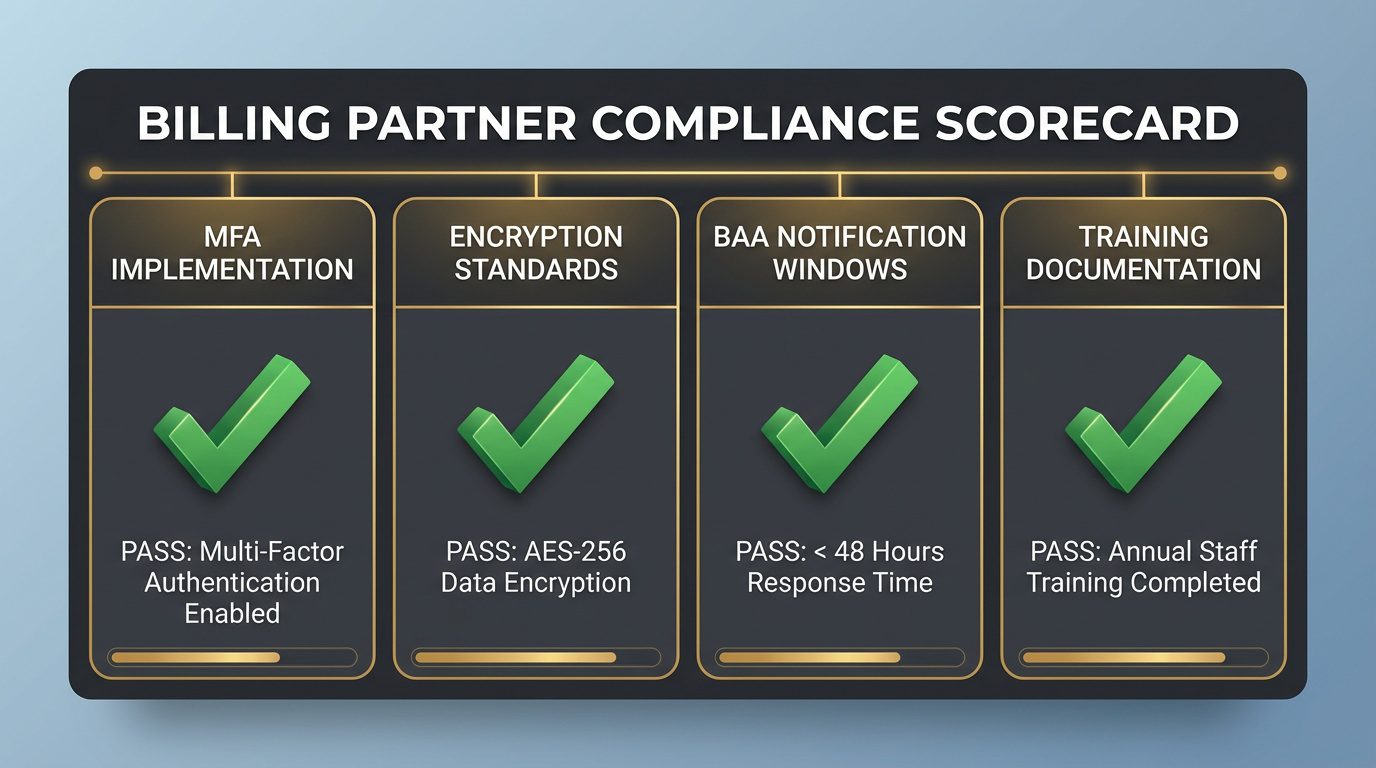
A few focused questions can tell you a lot about how a potential billing partner approaches compliance. Here are areas worth exploring.
Security Infrastructure
Start with specific questions about their technical setup. How they answer tells you something about their approach.
- What encryption standards do you use for data at rest and in transit?
- Is VPN access required for all remote workers, and how is this enforced?
- How do you implement multi-factor authentication, and on which systems?
- Do remote workers use company-issued devices or personal devices? What controls apply?
- Can you share documentation from your most recent risk assessment?
- What audit logging do you maintain, and how long are logs retained?
Partners who can answer these questions with specifics are typically more organized than those who speak in general terms.
Compliance Documentation
Documentation demonstrates that security is actively managed, not just discussed.
- Can I review your written security policies for remote workers?
- How often do your team members complete HIPAA training?
- Do you have a documented incident response plan?
- What third-party assessments or certifications has your organization completed?
- Can you provide references from other practices in my specialty?
Being able to identify revenue leakage and optimize collections is important. So is knowing that the partner handling your claims has the infrastructure to protect the data that makes that work possible.
Business Associate Agreement
The BAA is worth reviewing thoughtfully before signing.
- Does your standard BAA include specific technical requirements?
- What is your incident notification timeline?
- How do you verify subcontractor compliance?
- What verification rights do I have as a covered entity?
- What are your data procedures at contract termination?
A partner who welcomes these questions and responds with clear answers is demonstrating the kind of transparency that makes for a good working relationship.
How Professional Billing Partners Often Provide Stronger Protection

There's sometimes an assumption that keeping billing in-house is inherently more secure than working with a remote partner. In practice, the opposite is often true.
Dedicated Focus
Your front desk staff handles patient check-in, phone calls, scheduling, and billing alongside everything else. Billing compliance is one responsibility among many.
Professional billing organizations focus specifically on revenue cycle work. They invest in compliance infrastructure, security tools, and training at levels that make sense for organizations handling billing across many practices.
When reading an AR aging report and understanding what it means for your cash flow, you benefit from that focused expertise. The same applies to compliance infrastructure.
Infrastructure Investment
Security tools and compliance infrastructure involve significant fixed costs. These investments make sense for organizations that handle billing at scale but are harder to justify for individual practices.
Table 3: Typical Capability Comparison
| Multi-factor authentication | Basic implementation on some systems | Enterprise MFA across all PHI-touching systems |
| Endpoint detection | Consumer-grade antivirus | Enterprise security with monitoring |
| Security monitoring | Limited or none | SIEM platform with alerting |
| Vulnerability scanning | Occasional or none | Regular automated scanning |
| Penetration testing | Rarely | Annual third-party assessments |
| Incident response | Ad hoc | Dedicated procedures with trained personnel |
This infrastructure difference means that partnering with a professional billing organization can actually strengthen your overall security posture.
Simplified Access Management
Employee turnover creates access management challenges. When staff members leave, their credentials need to be revoked and their access terminated promptly.
When your billing partner manages access for their own team, they handle these transitions according to their documented procedures. Your involvement is minimal, and the responsibility for managing access changes sits with an organization that has dedicated processes for it.
This is one of the practical advantages of working with a partner that has systematic HR and access management procedures in place.
Frequently Asked Questions
Is multi-factor authentication (MFA) required for remote medical billers in 2026?
Under the proposed HIPAA Security Rule updates, MFA would become mandatory for all systems that access electronic protected health information (ePHI). The final rule is still pending, with OCR's regulatory agenda listing May 2026 for potential finalization. Enforcement would follow after a compliance period.
MFA is already recognized as a best practice for protecting access to sensitive systems. Organizations that implement it now are aligning with where the regulatory framework is heading. When evaluating billing partners, asking about their MFA implementation gives you useful insight into their security approach.
What should be in a 2026 Business Associate Agreement (BAA) for a remote billing team?
A well-constructed BAA should include specific security obligations beyond the HIPAA minimums. This means explicit language covering MFA implementation, encryption requirements for data at rest and in transit, VPN requirements for remote access, and incident notification timelines that are faster than the 60-day standard.
The agreement should specify permitted uses and disclosures limited to billing functions, safeguard requirements aligned with current and anticipated Security Rule provisions, and processes for annual verification of technical controls through evidence rather than attestation alone.
Subcontractor provisions matter as well. If your billing partner uses downstream vendors, the BAA should require equivalent protections to flow through to those relationships.
Can remote billers use personal laptops to access PHI?
Personal devices can be used if they meet specific security requirements. These typically include full-disk encryption, password protection with automatic lockout, current antivirus software, VPN connectivity for all PHI access, and MFA-enabled access to systems.
Organizations using personal devices should have formal BYOD policies with signed agreements outlining requirements. Mobile Device Management (MDM) software provides additional oversight and enables remote response if a device is lost.
Many professional billing partners provide company-managed devices with pre-configured security settings. This approach provides clear control over device configuration and eliminates ambiguity about requirements.
How fast does a billing company have to report a security incident to the clinic?
Under current HIPAA rules, business associates must report breaches to covered entities without unreasonable delay and no later than 60 days after discovery. The proposed 2026 updates would tighten this to 24 hours following contingency plan activation.
Best practice agreements already specify shorter notification windows of 24-72 hours for initial notification. When reviewing BAAs, the notification timeline is worth discussing. Faster communication enables faster response.
What are the "Physical Safeguards" for a remote home office under HIPAA?
Remote home offices should have private workspace areas where screens aren't visible to unauthorized individuals. This might mean a separate room with a door that closes, or thoughtful positioning of monitors away from common areas and windows.
Paper PHI should be stored in lockable containers and properly destroyed when no longer needed. Devices should be secured when not in use, with automatic screen locks engaging after brief periods of inactivity.
Professional billing operations typically require employees to maintain appropriate physical security standards and may include these requirements in employment agreements or policy acknowledgments.
Does the "Minimum Necessary" standard apply to remote billing tasks?
Yes. The Minimum Necessary standard requires that only the PHI needed to accomplish a specific task should be accessed or disclosed. This applies regardless of where the work happens.
Remote billing teams should have role-based access controls limiting their access to the patient records and data fields necessary for billing functions. A biller working on claims submission doesn't need access to clinical notes beyond what's required for coding support.
This standard also applies to the information shared between your practice and the billing partner. You should share only the PHI necessary for them to perform their contracted services.
How does the 2026 Part 2 alignment update affect my billing team?
If your practice treats patients with substance use disorders or receives records from SUD treatment programs, the February 16, 2026 deadline requires updating your Notice of Privacy Practices to reflect the alignment between 42 CFR Part 2 and HIPAA.
Part 2 continues to provide additional protections for SUD records beyond standard HIPAA requirements, including restrictions on using information in legal proceedings without specific consent or court order.
It's worth reviewing with your billing partner whether your BAA addresses Part 2 requirements if SUD records may be involved in your billing workflow.
Are unencrypted emails a HIPAA violation for remote workers?
Transmitting PHI via unencrypted email creates compliance risk. The proposed 2026 Security Rule updates would make encryption mandatory for all ePHI at rest and in transit, formalizing what is already considered best practice.
Organizations should use encrypted email solutions, secure patient portals, or HIPAA-compliant messaging platforms with signed BAAs. Standard email accounts without additional encryption are not appropriate for transmitting PHI.
Your billing partner should have documented procedures for secure communication and should use encrypted channels for any communication involving patient information.
Conclusion
Remote billing can be fully compliant and secure. What matters is the infrastructure, policies, and culture around how the work gets done.
The regulatory updates proposed for 2026 represent a formalization of practices that well-organized billing partners already follow. MFA, encryption, faster incident notification, and documented procedures aren't new concepts for professional organizations handling protected health information.
When evaluating billing partners, the questions in this article help you understand their approach. Partners who can discuss their technical controls, share their documentation, and explain their training programs are demonstrating the kind of transparency that supports a productive working relationship.
The right partnership protects your revenue and your patients. Those priorities work together, not against each other.
If you're thinking through your billing options and want to talk through how all of this applies to your specific situation, we're happy to have that conversation.
That's why we offer a free discovery call. It's a chance to discuss your current billing setup and get clarity on what's working well, what might need attention, and what your options look like.
We'll help you understand:
- Where your claims might be getting stuck
- What's causing denials or delays
- Whether your AR is healthy or needs attention
- How your current process compares to what we typically see
- What working with Bushido would actually look like
Book a Call — no pressure, no obligation, just a straightforward conversation about your billing.
We're here when you're ready.
SCHEDULE YOUR FREE DISCOVERY SESSION TODAY.


Copyright 2026 | All rights reserved | Web Design by iTech Valet