

How Chiropractic Provider Credentialing and CAQH Enrollment Affect Your Revenue Cycle
Chiropractic provider credentialing and CAQH enrollment shape your revenue cycle directly. See how delays and lapses drain payer revenue.
Chiropractic provider credentialing and CAQH enrollment affect the revenue cycle by determining whether a claim can be paid at all, not merely how quickly it is processed. Credentialing is the process by which a payer verifies a chiropractor's education, licensure, malpractice history, and other qualifications before agreeing to reimburse that provider for services. CAQH ProView is the centralized database many commercial payers use to collect and standardize this verification data, reducing duplicate paperwork across multiple insurers. Enrollment is a distinct, later step in which a payer loads the now-verified credentials into its own system, formally activating the provider for in-network billing. Until both steps are complete, claims submitted under that provider's name can be denied, delayed, or rejected outright, regardless of the clinical care delivered. Because CAQH data feeds into decisions made by numerous payers simultaneously, a single outdated document, an expired license record, or a missed periodic re-attestation can interrupt claim payment across several insurance relationships at once. This makes credentialing status a direct input into cash flow, not a background administrative detail. A practice adding a new associate, changing a tax identification number, or updating a practice location must treat each of these events as a credentialing trigger, since payer systems require accurate, current data to authorize payment. Medicare credentialing runs through a separate government system rather than CAQH, adding another layer that must stay synchronized. In practical terms, the revenue cycle for any chiropractic claim begins before a patient is ever treated, at the moment a provider's credentialing and enrollment status is established and maintained with each payer the practice bills.
Articles in this cluster
- Update Their CAQH ProView Profile — How Often Do Chiropractors Need to Re-Attest and Update Their CAQH ProView Profile?
- Chiropractic Groups Using PECOS — What Is the Medicare Revalidation Process for Chiropractic Groups Using PECOS?
- NPI Type II Group Enrollment — When Does a Multi-Location Chiropractic Practice Require an NPI Type II Group Enrollment?
- Limits for Chiropractic Payer Contracts — What Are the Retroactive Billing and Effective Date Limits for Chiropractic Payer Contracts?
- Rules Affect Multi-State Chiropractic Groups — How Do State-Specific Credentialing Delegation Rules Affect Multi-State Chiropractic Groups?
- Attestations Cause Chiropractic Claim Denials — How Do Payer Directory Errors and Missed Attestations Cause Chiropractic Claim Denials?
- Renegotiate Commercial Insurance Fee Schedules — How Often Can a Chiropractic Practice Renegotiate Commercial Insurance Fee Schedules?
- Chiropractic Credentialing and Enrollment Tracking — Chiropractic Credentialing and Enrollment Tracking: In-House vs Specialized Billing Partner
- Chiropractic-Specific Billing and Enrollment Partners — Generic Credentialing Agencies vs Chiropractic-Specific Billing and Enrollment Partners
- Payer Panel Closures and Enrollment — How Do Multi-Location Chiropractic Groups Manage Payer Panel Closures and Enrollment?
- Contract Management for Chiropractic Practices — What Is the ROI of Proactive Provider Credentialing and Contract Management for Chiropractic Practices?
What Provider Credentialing and CAQH Enrollment Actually Mean for Your Revenue Cycle
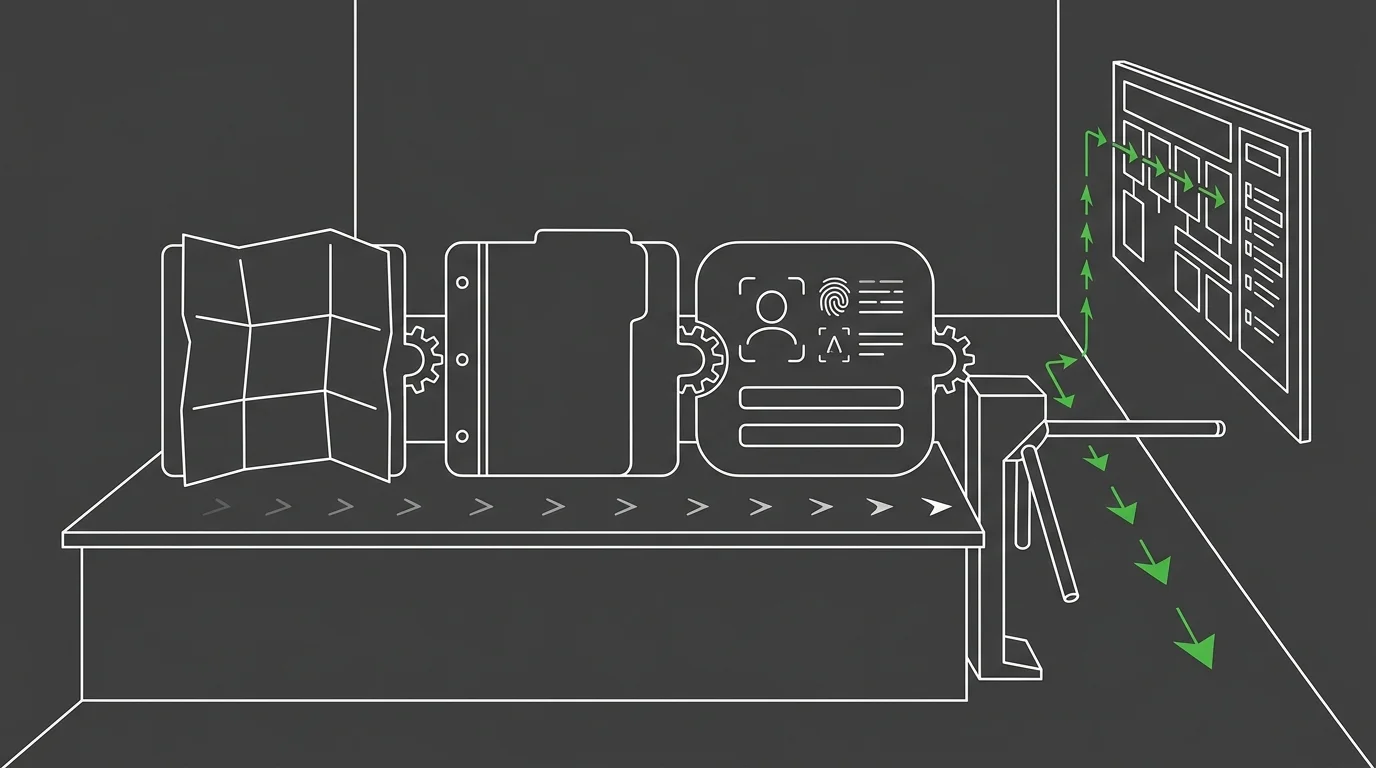
Credentialing and enrollment sound like the same thing. They aren't.
Treat them as one step and that's exactly where revenue cycle trouble begins. Each word names a separate gate a claim has to clear before anyone gets paid.
| Term | What It Verifies | Who Controls It | Where the Data Lives |
|---|---|---|---|
| Credentialing | A chiropractor's education, licensure, and malpractice history | The payer, which reviews and approves the provider as eligible | Verification documents submitted to CAQH ProView or a payer's own intake system |
| Enrollment | That verified credentials are correctly loaded and active for billing | The payer's internal enrollment team, after credentialing clears | The payer's own claims and network systems, separate from CAQH |
| CAQH Re-Attestation | That previously submitted data is still current and accurate | The provider or the party managing the profile on the provider's behalf | The centralized CAQH ProView database shared across participating payers |
| Medicare Credentialing | Eligibility under a government payer's own verification standards | A separate federal enrollment system outside CAQH | A government-run database distinct from the commercial CAQH system |
Credentialing Versus Enrollment
Credentialing is verification, plain and simple. A payer checks a chiropractor's education, licensure, and malpractice history before deciding the provider is even eligible for reimbursement.
Enrollment comes next, once that verification clears. It's the administrative step of loading those confirmed credentials into a specific payer's system so in-network billing can actually switch on.
Where CAQH Fits in the Payer Relationship
The Council for Affordable Quality Healthcare built CAQH to fix a real headache. Before it existed, a provider filled out nearly identical paperwork for every commercial payer, one at a time.
Centralizing that data made credentialing faster for practices with many payer relationships. But it also means one outdated document or missed re-attestation inside that single system can stall claims across several payers at once, which is a different kind of exposure. For practices weighing whether internal staff can manage that exposure alongside claims and appeals, chiropractic revenue cycle management lays out what a dedicated revenue cycle function actually covers.
Why Treating Credentialing as a One-Time Task Breaks the Revenue Cycle
Here's how most chiropractic practices handle credentialing: as a one-time hurdle. Fill out the paperwork once, file it away, and move on.
That's exactly where the revenue cycle breaks. Credentialing isn't a task with a finish line. It's an ongoing revenue cycle function that never really stops.
The Set-and-Forget Trap in CAQH Management
CAQH ProView pulls a practice into the same trap. The initial profile goes in, the payer relationship activates, and everyone assumes the work is finished.
A reactive approach waits for denials to arrive before checking that profile again. Waiting for a denial, or for a new provider's start date, to trigger a credentialing review is a direct cause of delayed revenue and rising administrative cost. For a fuller breakdown of where those costs surface across a billing operation, the cluster hub walks through the full picture.
How a Single Data Mismatch Cascades Across Every Payer Relationship
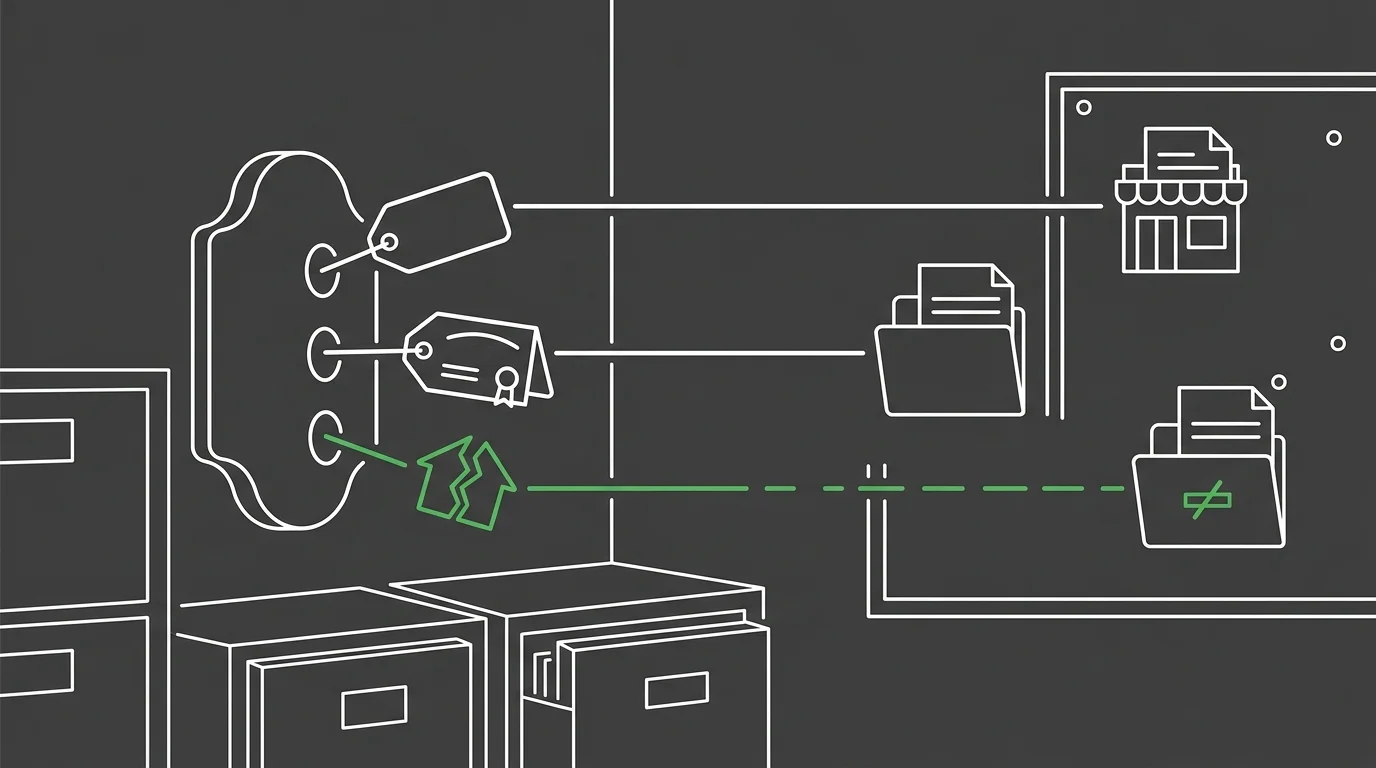
One centralized profile means one point of failure. A single mismatched data field inside that shared record does not stay contained to one payer.
It propagates outward to every payer pulling from the same source. A license number entered incorrectly, a lapsed malpractice policy still listed as active, or a practice address that was never updated can all surface identically across multiple insurers at once, since each one is reading the same underlying file.
| Error Type | Where It Originates | Which Payers It Affects | Typical Consequence |
|---|---|---|---|
| Expired License or Certification Record | A state license or board certification lapses without an updated document uploaded to the shared profile | Every commercial payer pulling verification data from that same centralized record | Claims across multiple payers stall or deny simultaneously until the record is corrected |
| Malpractice Insurance Mismatch | A policy renews or changes carriers but the prior policy remains listed as current | Any payer that cross-checks active coverage as part of ongoing eligibility review | Payer flags the file as incomplete, freezing enrollment status until proof of current coverage is submitted |
| Name or Address Formatting Inconsistency | A provider's name or practice address is entered differently than it appears on a license or tax record | All payers relying on exact-match verification against government or licensing records | Application halts for manual review, delaying activation with no clinical issue involved |
| Missed Periodic Re-Attestation | A required update to the centralized profile is not completed within the payer-required window | Every payer treating that profile as the source of truth for continued network status | Provider is quietly dropped from active status, interrupting claim payment until re-attestation clears |
The Documentation Failures That Stall an Application Before It Starts
Most stalled applications trace back to something small. A name formatted differently than it reads on the license, a missing signature date, a document that expired between submission and review — these are the usual triggers.
None of these are clinical failures. They are data integrity failures, and a payer's system has no mechanism to distinguish a minor formatting inconsistency from a substantive eligibility problem — it simply halts the file until someone corrects it.
What Government Payers Require That Commercial Payers Do Not
CAQH governs commercial payer relationships, but it is not the only system a chiropractic practice must satisfy. Government payers run their own separate tracks, each with its own rules for who gets paid.
Medicaid and Medicare do not read from the CAQH file at all. A practice that treats commercial credentialing as the whole picture leaves two major payer categories unaddressed.
| Payer System | Governing Body | Enrollment Platform | Runs Alongside CAQH |
|---|---|---|---|
| State Medicaid | State Medicaid agency | State-run enrollment portal | Yes, but as a separate track requiring its own managed care plan credentialing |
| Medicaid Managed Care | Managed care plan operating within the state program | Plan-level credentialing application, distinct from state enrollment | Yes, alongside both state Medicaid enrollment and CAQH |
| Medicare | Centers for Medicare and Medicaid Services | PECOS | Yes, entirely independent of CAQH data |
Medicaid Enrollment Alongside Managed Care Credentialing
State Medicaid agencies determine provider eligibility on their own terms, independent of CAQH. Enrolling with the state agency is only the first gate. Per published research data, providers seeking to participate in a managed care network must be credentialed by the managed care plan in addition to enrolling with the state. A managed care plan operating within that state Medicaid program still requires its own separate credentialing before it will pay a claim.
That means a chiropractor billing Medicaid managed care plans is managing two approvals, not one. State enrollment and plan-level credentialing move on separate timelines, and either one stalling can block payment.
Medicare Enrollment Through PECOS
Medicare enrollment runs through its own dedicated federal system, entirely apart from CAQH. Findings published through CMS show PECOS is the online Medicare enrollment system that providers and suppliers use to complete their Medicare enrollment application. That system is where the enrollment application itself gets filed and tracked, and a lapse there halts Medicare claims regardless of a provider's CAQH or commercial payer standing.
Building a Credentialing Maintenance Cycle That Protects Revenue
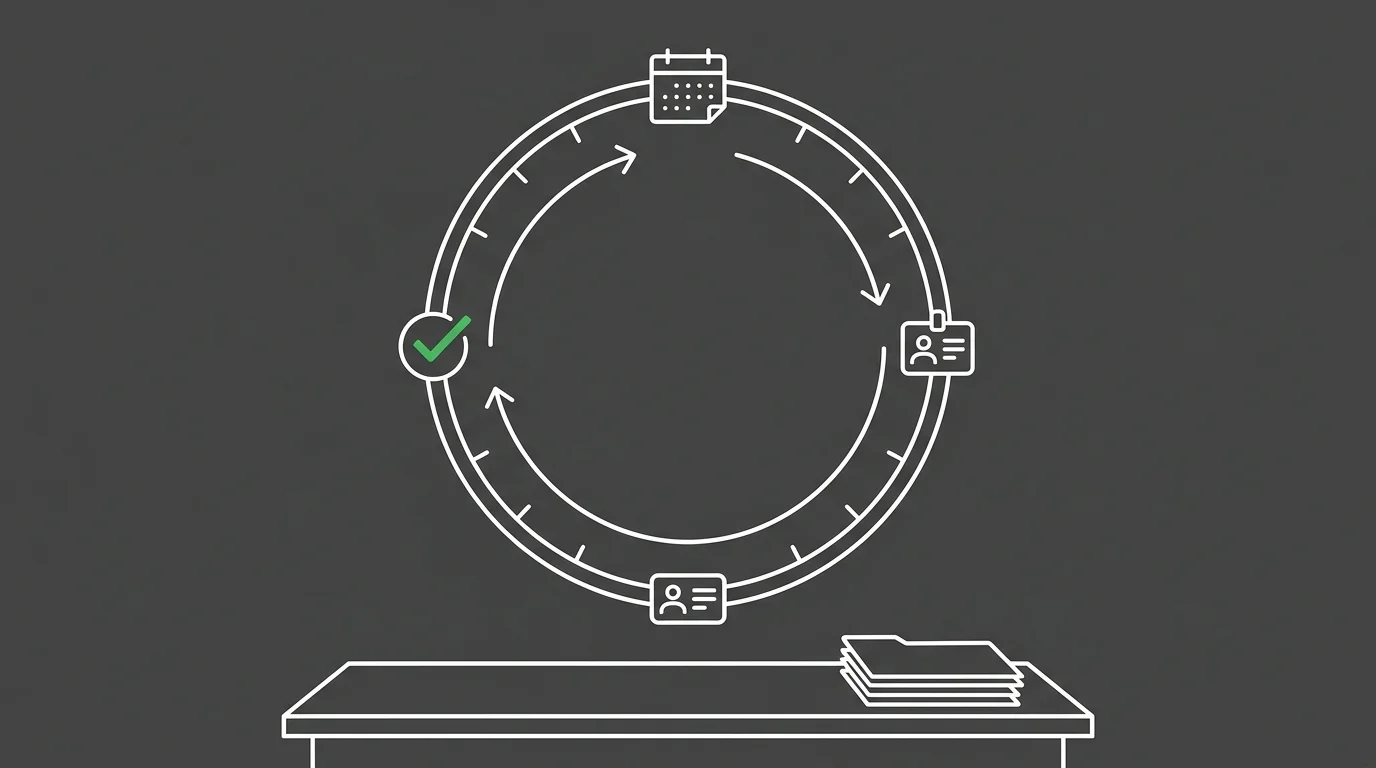
Every failure point above traces back to the same root cause. Nobody was watching the gate after it first opened.
A maintenance cycle fixes that. It replaces a one-time credentialing push with a recurring schedule that catches expirations, mismatches, and re-attestation windows before a payer does.
| Maintenance Task | Frequency | Owner Action | Risk If Skipped |
|---|---|---|---|
| CAQH re-attestation | Recurring on payer-defined cycle | Confirm data accuracy and submit attestation before the window closes | Profile quietly deactivates and claims stall across every payer pulling from that file |
| License and certification tracking | Ongoing, checked ahead of renewal dates | Verify license, board certification, and NPI records match across every system | A lapsed or mismatched credential halts payment even when clinical care was delivered correctly |
| Practice data changes | Triggered by any change event | Update tax identification, location, or associate information with each affected payer immediately | Outdated records cause denials that surface weeks or months after the change occurred |
| Government payer synchronization | Reviewed alongside commercial credentialing, not instead of it | Confirm Medicaid enrollment, managed care plan credentialing, and PECOS status independently | A gap in one government track blocks payment regardless of commercial payer standing |
| Document expiration review | Scheduled ahead of known expiration dates | Flag malpractice policies, licenses, and certifications nearing expiration for renewal | An expired document listed as active propagates the same error across multiple payers at once |
The Re-Attestation Calendar
CAQH profiles don't stay active on their own. Payers demand periodic re-attestation, and one missed window quietly deactivates a profile that looks perfectly fine at a glance.
A maintenance cycle puts that date on a calendar with enough lead time to fix any flagged document first.
Tracking License, Certification, and NPI Data in One Place
License numbers, board certifications, and NPI records live in separate systems, yet payers expect them to match perfectly across every file. Track all three in one internal record and a scattered risk becomes a single checkpoint.
That checkpoint is what keeps the revenue gateway open, instead of leaving it to swing shut unnoticed.
Frequently Asked Questions
A maintenance cycle raises specific, mechanical questions once a practice tries to build one. Here are the ones that come up most.
How long does chiropractic credentialing typically take per insurance payer?
Timelines shift with the payer and with how clean the submitted data is. A profile carrying mismatched license numbers or expired documents stalls no matter what timeline the payer quotes.
What are the most common mistakes that delay CAQH profile approval?
Small data inconsistencies drive most delays, not missing paperwork. A name formatted differently than the license record, an expired malpractice document, a lapsed re-attestation window — those are the usual culprits.
Can a chiropractor bill for services while a credentialing application is still pending?
Billing before both credentialing and enrollment complete puts a claim at risk of denial. A payer's system has no record of an active provider until enrollment formally activates, so submitted claims can be rejected outright.
How often must a CAQH profile be re-attested to remain active with payers?
CAQH demands periodic re-attestation to keep a profile active with participating payers. Miss that window and the profile quietly deactivates while still looking current — which is why it belongs on a recurring schedule, not left to memory.
What is the difference between being credentialed and being contracted with a payer?
Credentialed means a payer has verified a chiropractor's qualifications and deemed them eligible for reimbursement. Contracted, or enrolled, means that verified provider has actually been loaded into the payer's system for in-network billing. A provider can be credentialed without yet being enrolled, and claims filed in that gap are exposed.
How does a lapsed state license affect active status on insurance panels?
A lapsed state license breaks panel status on the spot, across every payer reading that record. Both credentialing and enrollment ride on current licensure, so a lapse halts payment no matter how current the rest of the file looks.
What This Means
Credentialing is not paperwork. It is the gateway every dollar of chiropractic revenue has to pass through before a claim can be paid.
A one-time approach treats that gateway as something you open once and walk away from. A maintenance cycle treats it as something you watch on purpose.
That distinction is the whole thesis. Proactive management of credentialing and CAQH enrollment keeps the gateway open instead of leaving it to swing shut on a missed re-attestation or an outdated document. Bushido Billing built its process around that gate staying open, and talk it through with us is where that starts.